A Guide to Bonnieux | Hilltop Gem of the Luberon in Provence
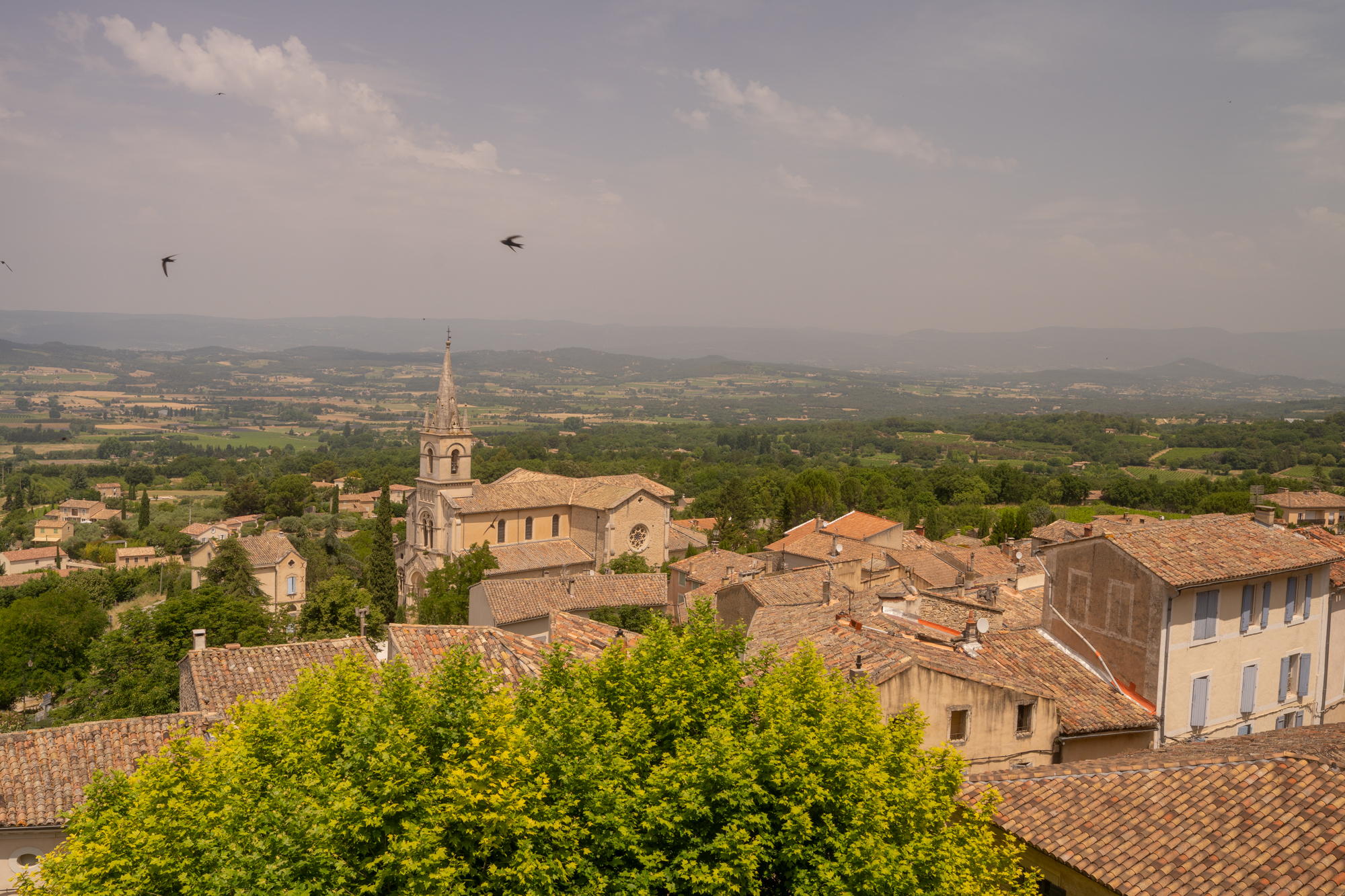
From a distance, Bonnieux rises above the landscape like a mirage, its stone houses climbing in terraces up the northern slopes of the Luberon, crowned by the spire of its church. The first time I took my brother to visit, he described it as a “chocolate box village”, and I couldn’t agree more.
Although you can spot its commanding silhouette from across the valley, step into its lanes and you’ll find it’s far more intimate than its outward appearance might suggest.
Unlike some of its quieter neighbours, Bonnieux has a lively year-round community, with cafes, boutiques, and a popular Friday market drawing the locals out of their homes. For travellers, it’s a place to visit for slow exploration, a delicious meal, or a sunset drink overlooking the Luberon.
A Brief Background of Bonnieux
Bonnieux’s history stretches back to Roman times, when the fertile plains below the village were crossed by the Via Domitia, one of the empire’s great roads. By the Middle Ages, the hilltop settlement had grown into a fortified stronghold under the Avignon Papacy, with ramparts, stairways, and the Vieille Église (old church) crowning the hilltop.
Prosperity came in the Renaissance, when wealthy merchants built the stately stone houses that still line Bonnieux’s streets. The 19th century brought further expansion with the Nouvelle Église (new church) in the lower part of the village, and the cedar forest planted nearby. Today, tales of the town’s history can be uncovered in the Roman relics, medieval walls, Renaissance façades, and plane tree-lined boulevards from more recent centuries.
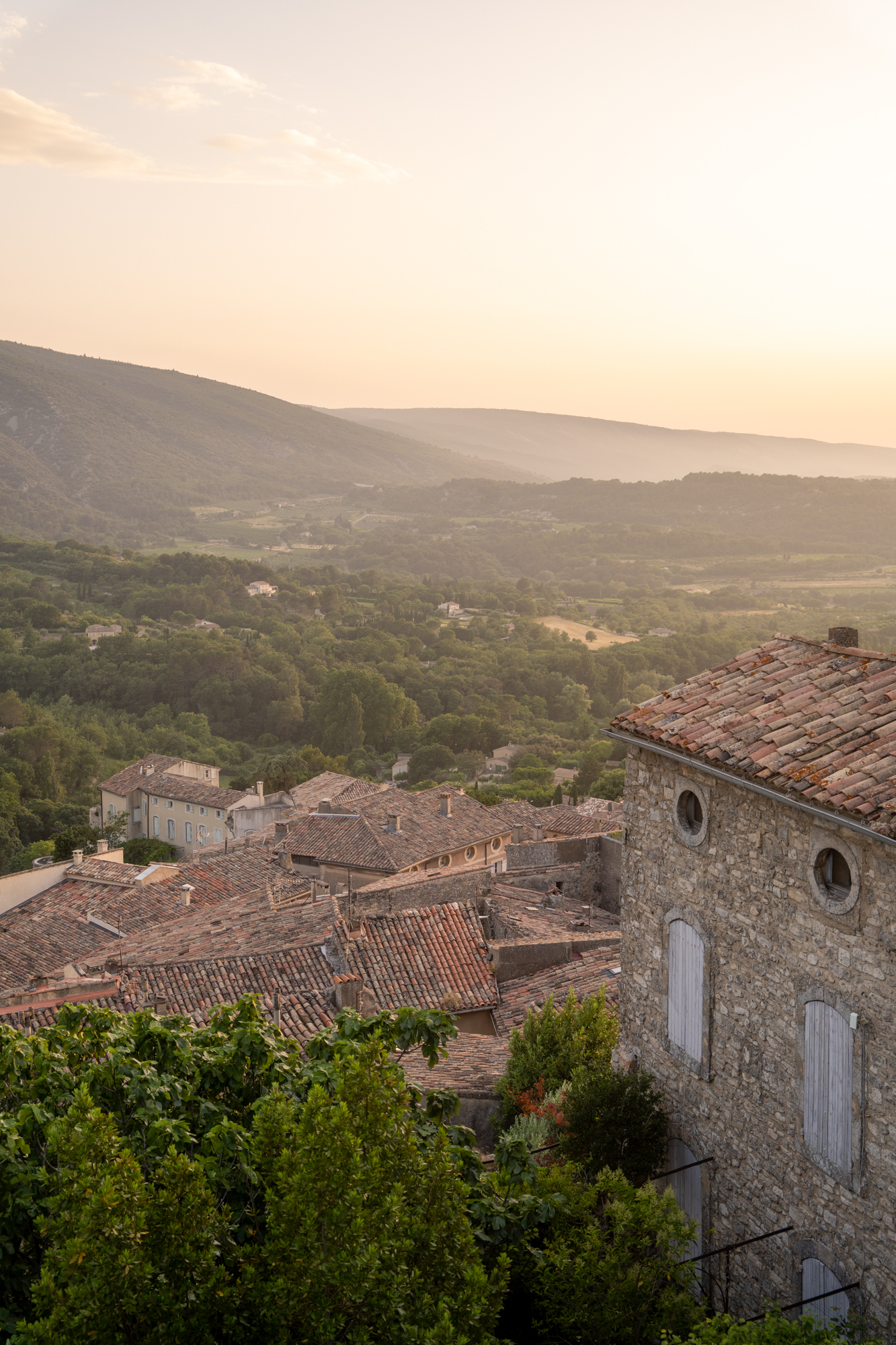
Key Sights & Things to do in Bonnieux
From ancient architecture to gourmet restaurants and exotic forests, Bonnieux offers a rich variety of experiences. Here are the key things not to miss.
Walk the Village Streets and Stairways
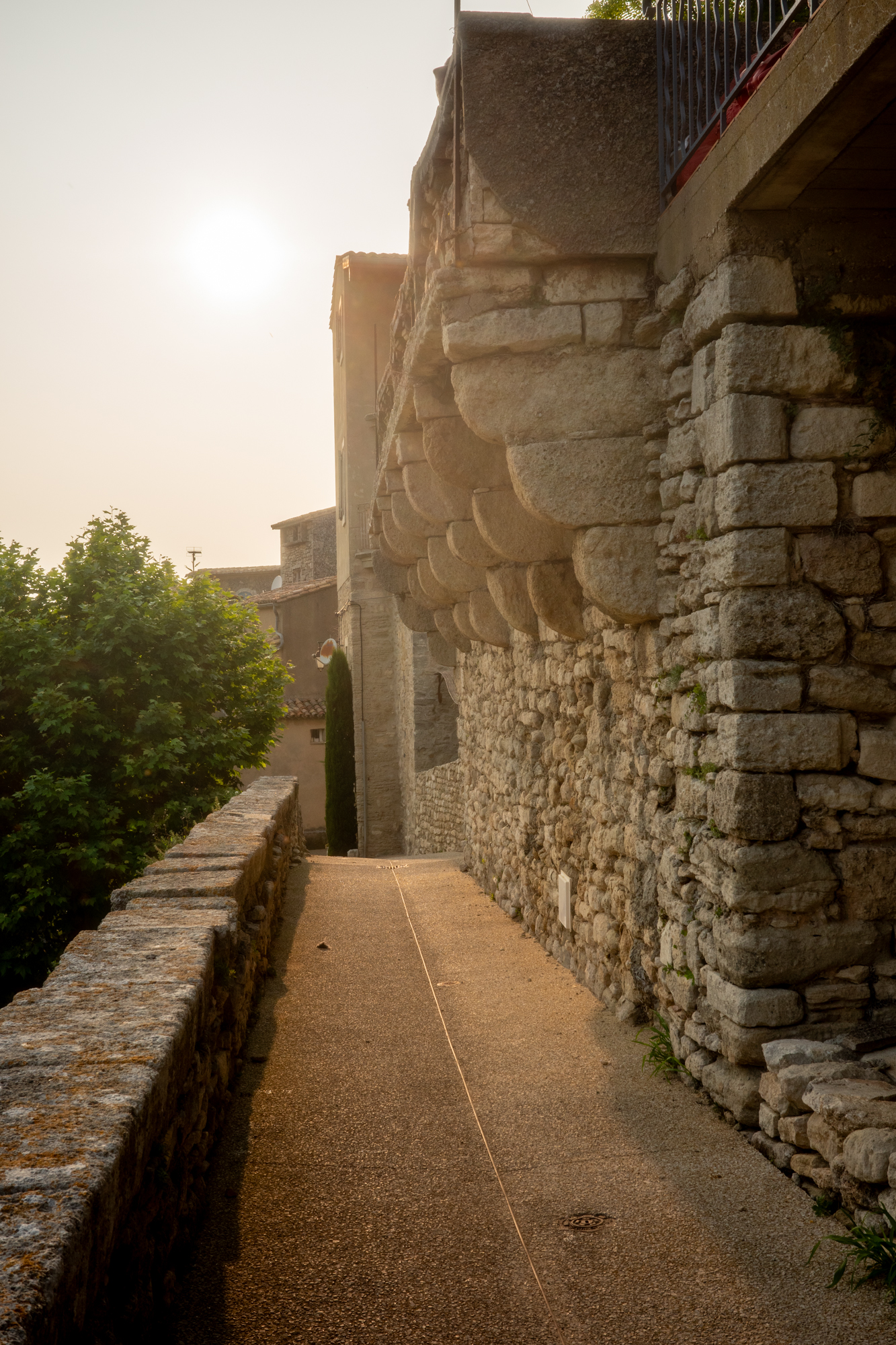
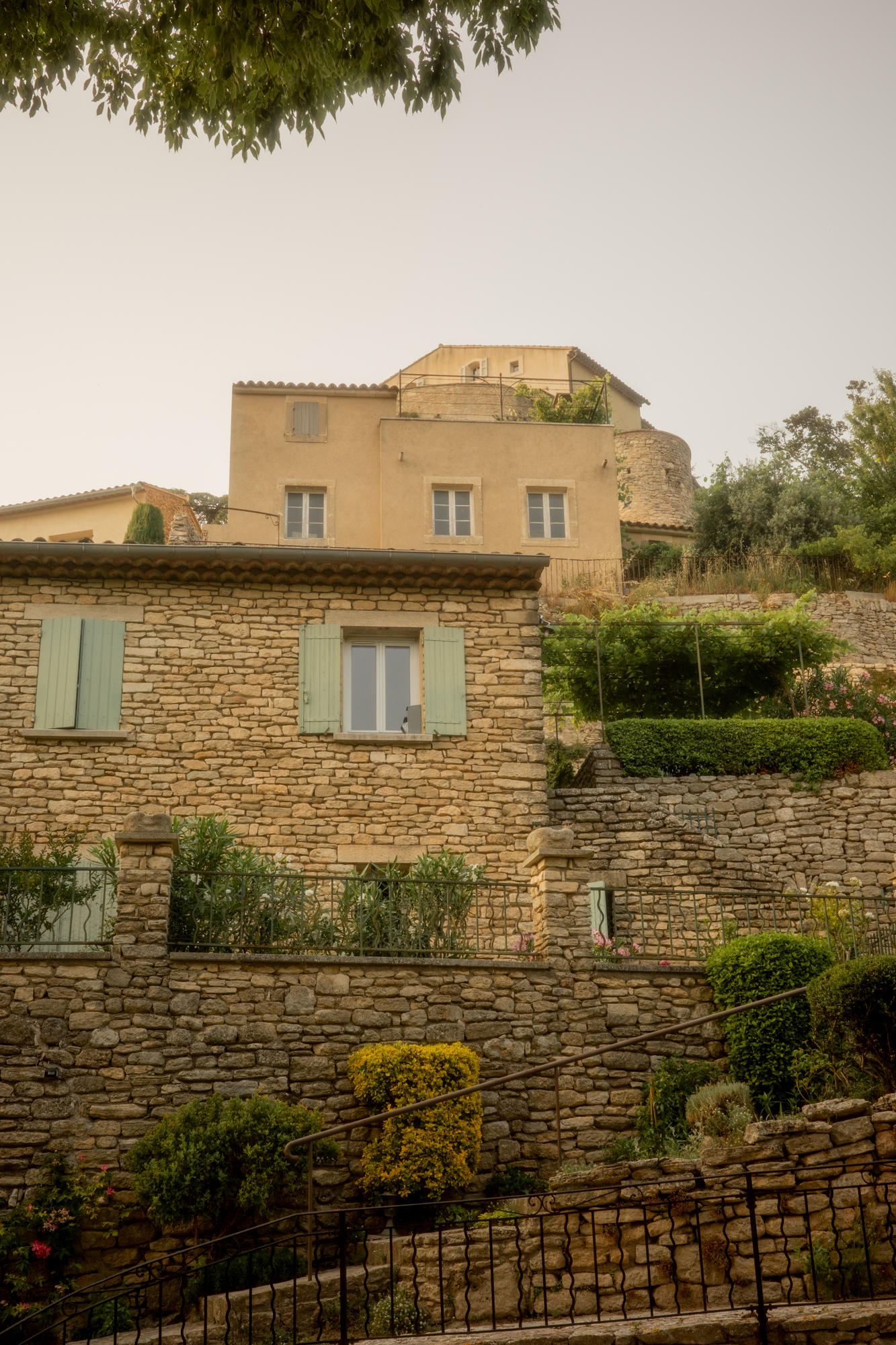
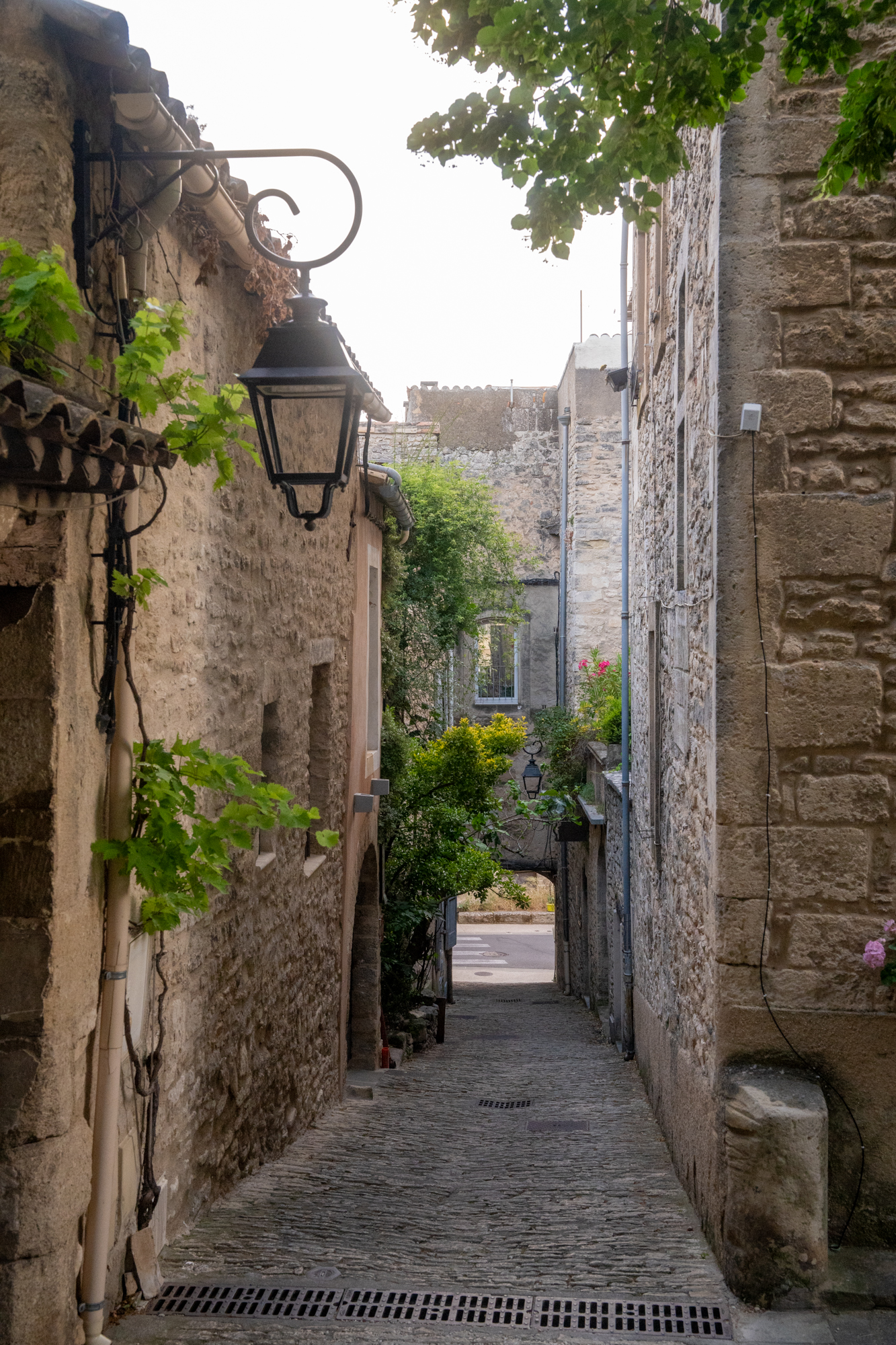
Bonnieux is best explored on foot, so leave your car at one of the free parking lots dotted around the perimeter of the village, and grab some comfy walking shoes. There’s not one route to take through the village, so follow your curiosity as you wander through the cobbled lanes. If walking up from the lower village, you’ll pass by the ramparts that divide the town in two.
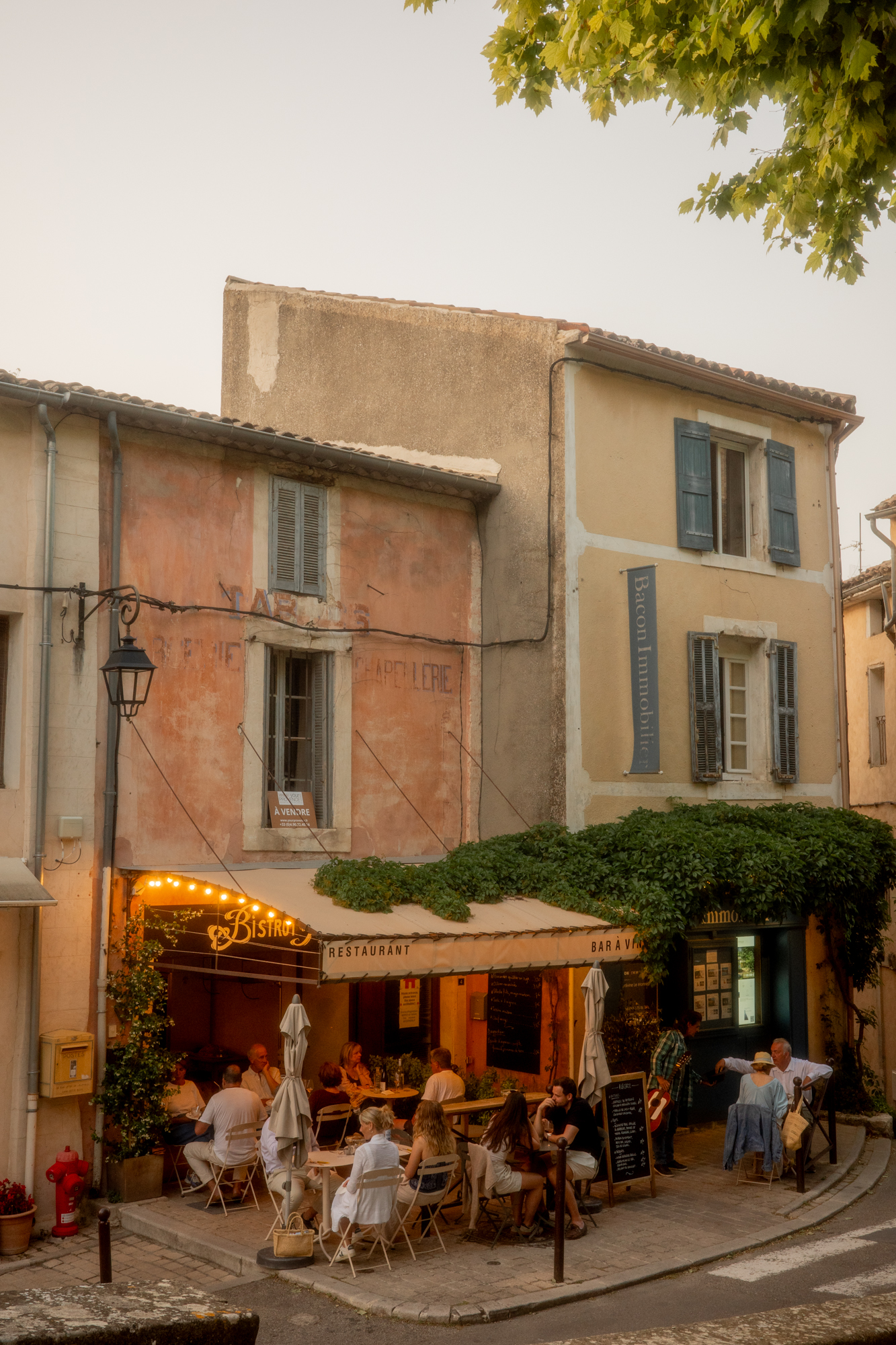
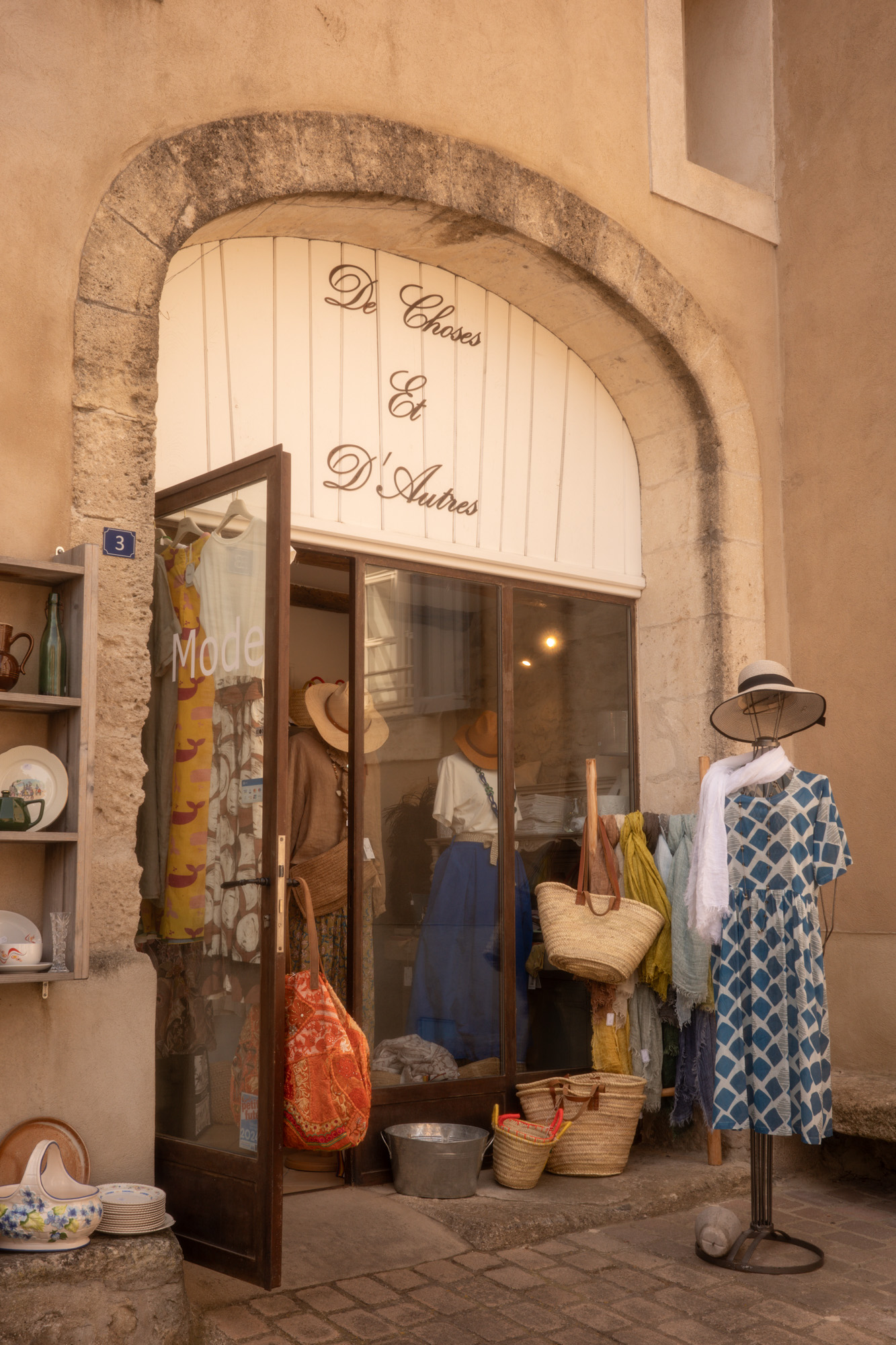
Keep going up, via stone staircases, to reach the hub of the village, where you’ll find clothing boutiques, restaurants, and art galleries. Galerie Janin-Ruggeri is a particularly good place to pick up beautiful depictions of Provençal scenes – and if you can’t splurge for an original painting, prints are available at a very reasonable price.
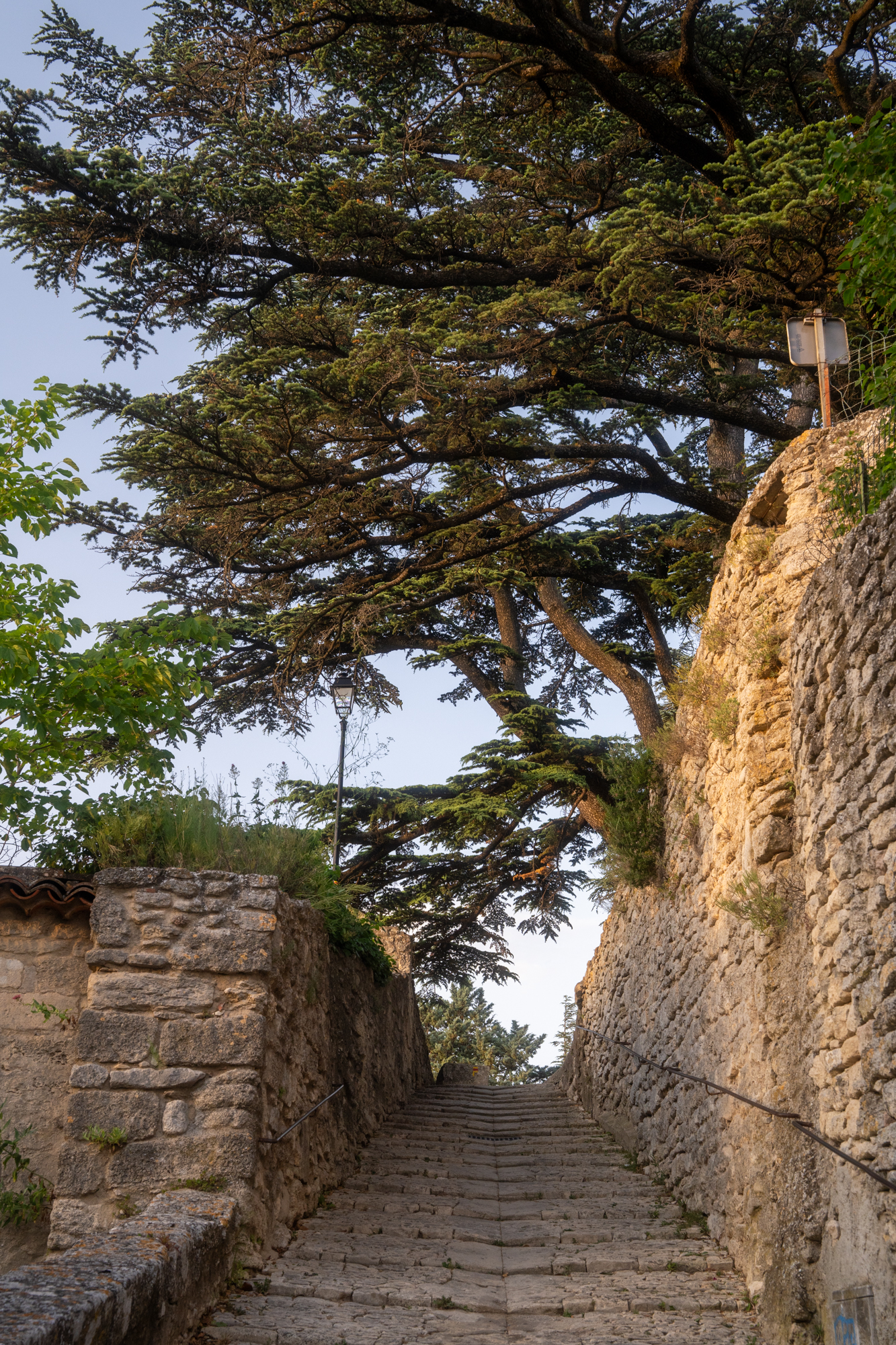
Walk under the stone arch to Rue des Penitents Blancs – here, a stairway will lead you to a fabulous viewpoint over the village. But you’re not done yet! One more staircase to climb and you’ll finally reach the Église Haute at the tippy top. Pause to catch your breath as you take in the almost 360-degree views of the valley.
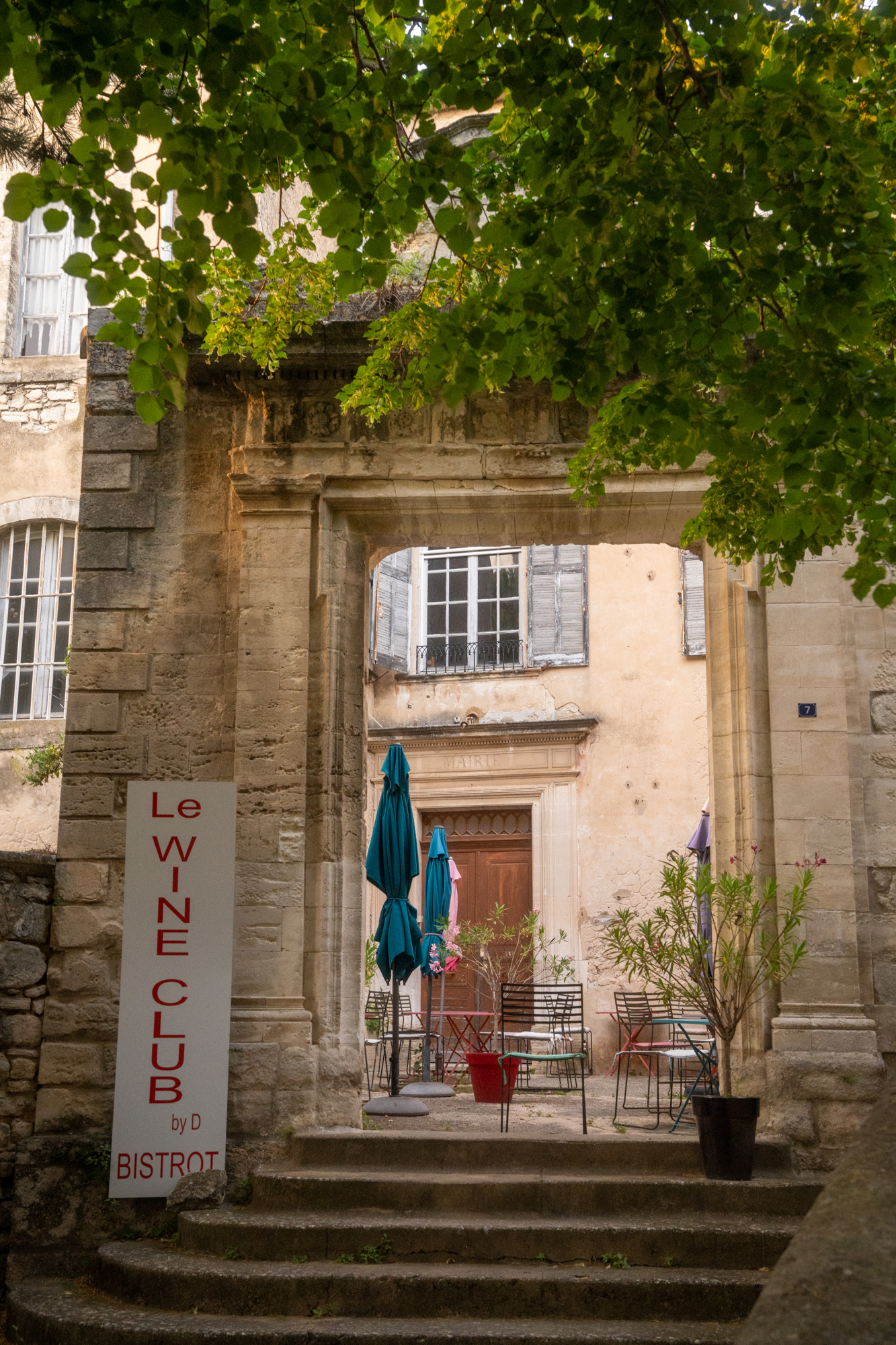
On your way back down, stop in at Le Wine Club Bistrot to reward your efforts with a chilled glass of rosé on the terrace.
Visit on Market Day
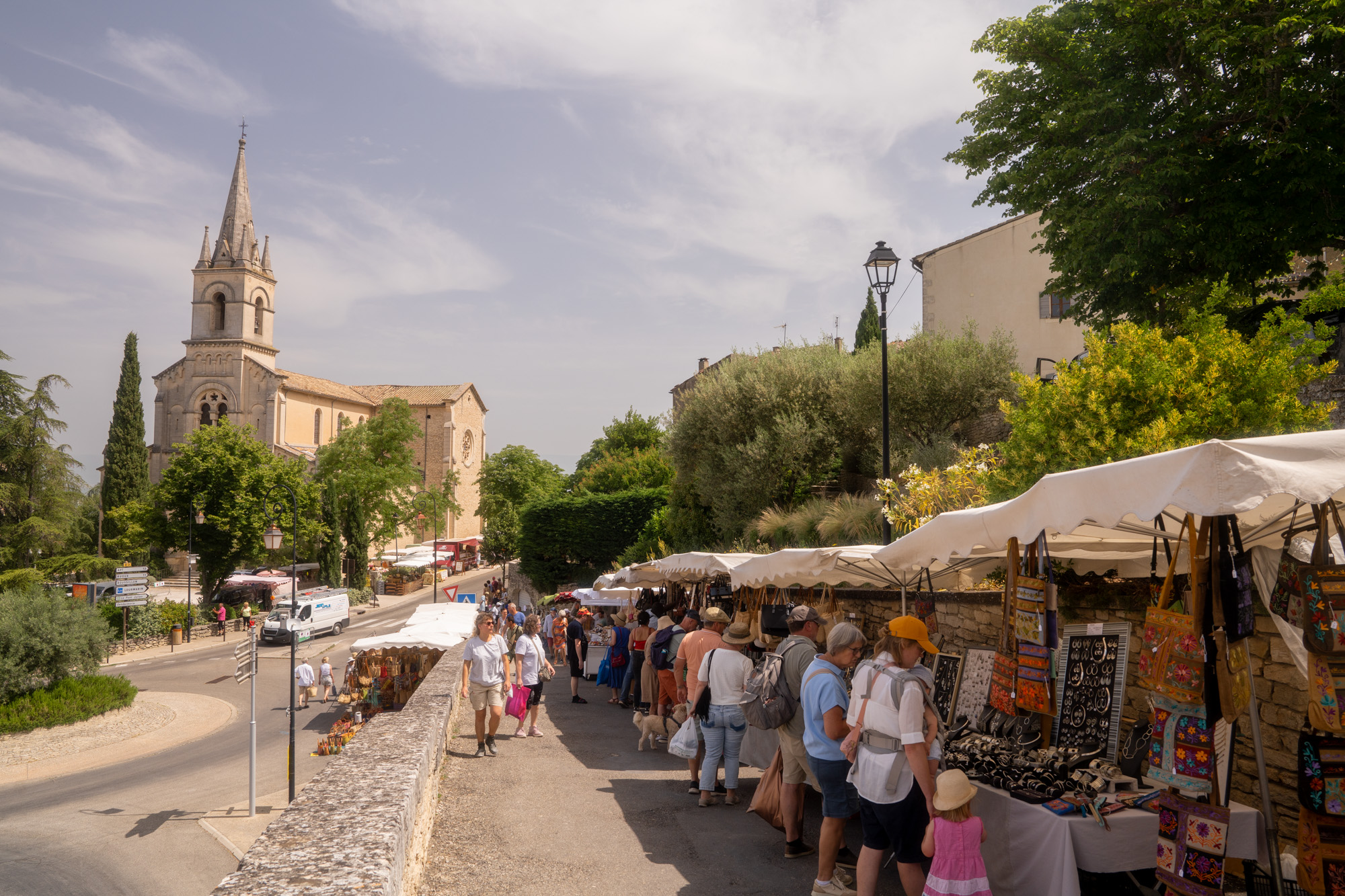
Friday is market day in Bonnieux, and it’s when the village bursts into life. Although it draws plenty of visitors, especially in summer, the spotlight often falls on Lourmarin’s renowned market just down the road. As a result, Bonnieux’s market retains a more relaxed, local feel – lively, but without being overcrowded.
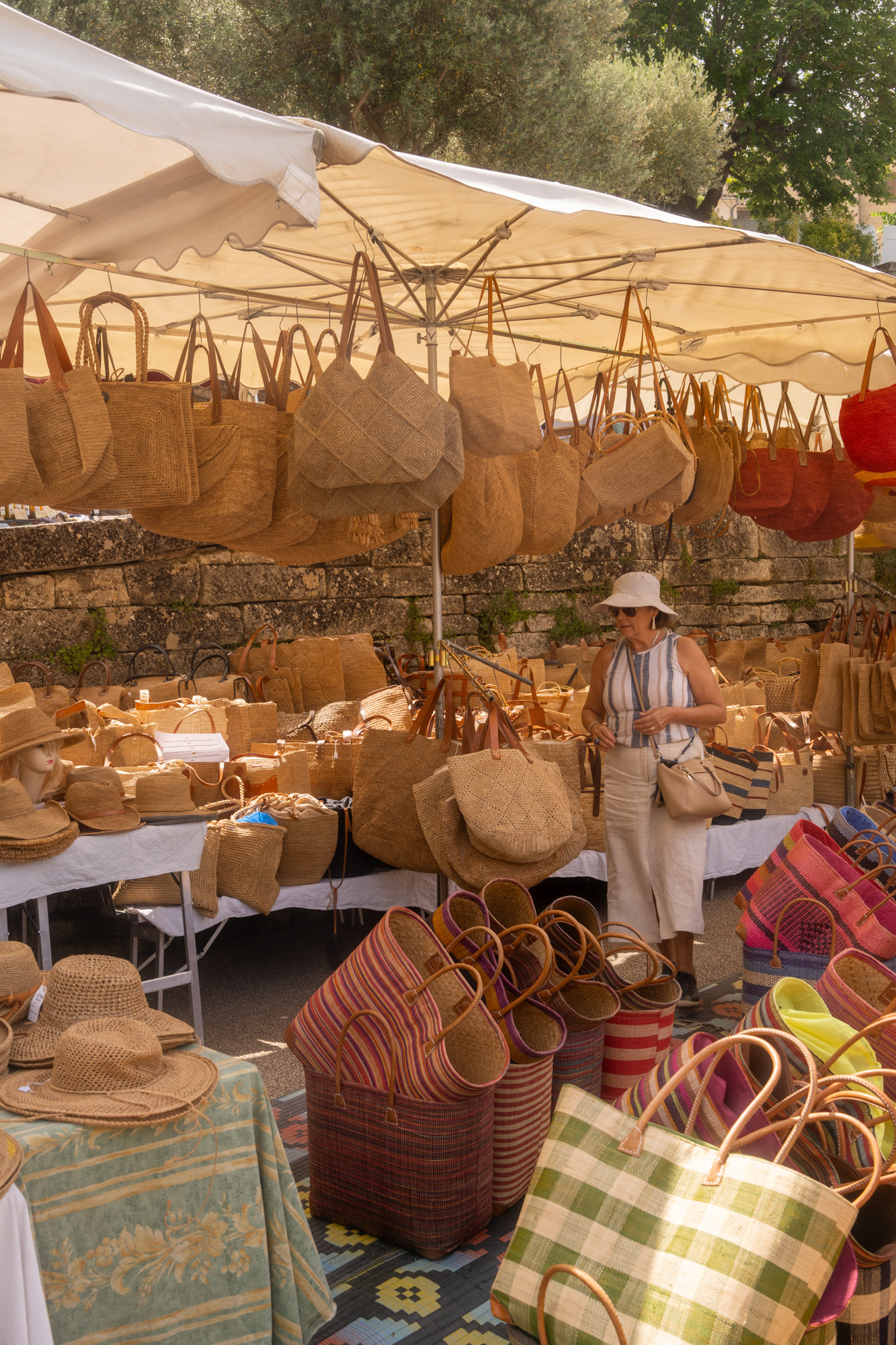
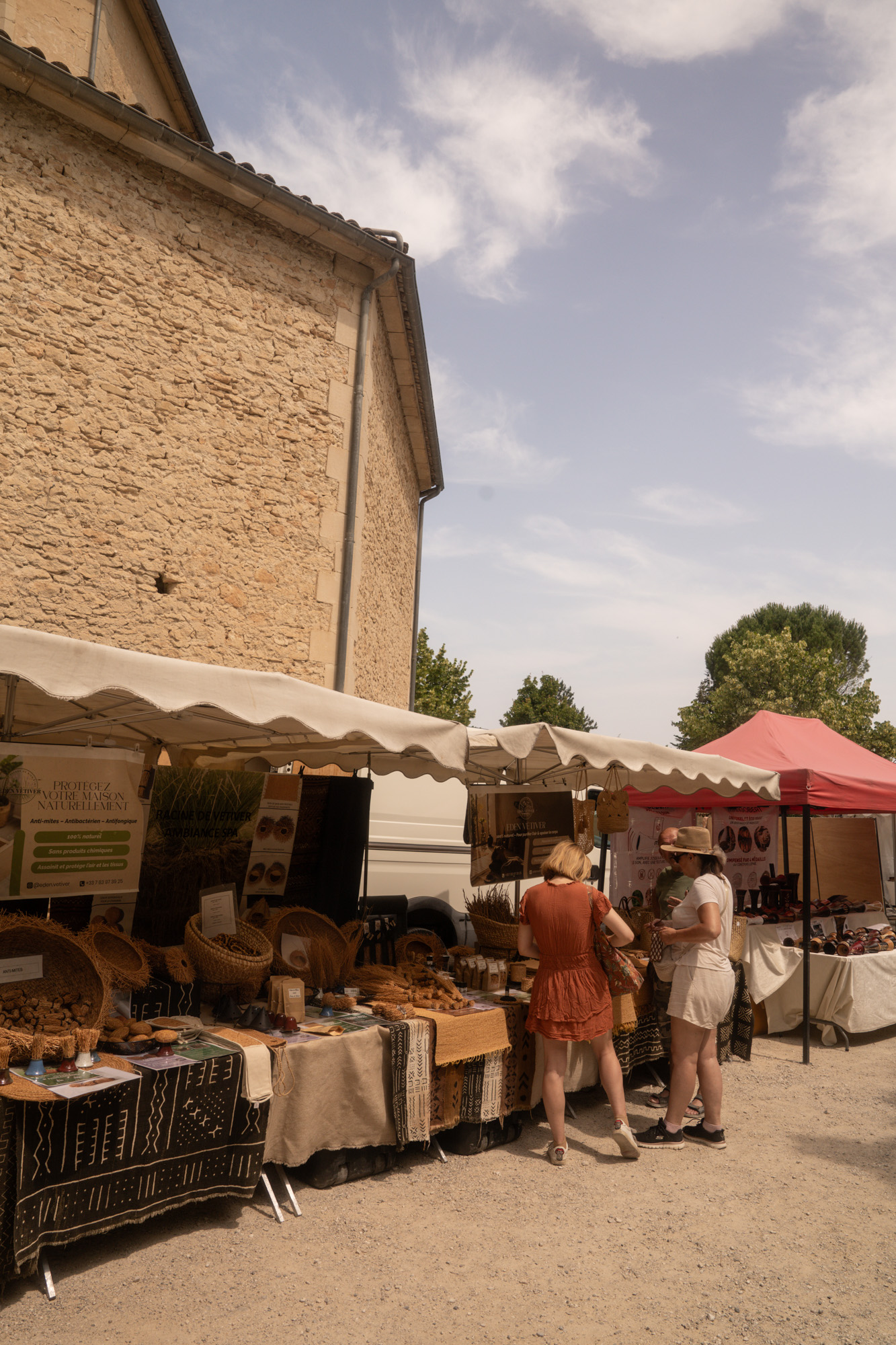
Stalls spread through the streets, starting around the new church at the bottom of the village, and climbing up towards Place Gambetta, often overflowing into little side lanes and shaded corners. Here, you’ll find all the Provençal essentials – fresh produce, locally made olive oils and spreads, olive wood utensils, market baskets, tablecloths and more!
Pick up some fruit juice, olive oil, bread and cheese, then perhaps continue on to Pont Julien (more on that below) for a picnic lunch.
Tip – if you’re visiting at Easter, don’t miss the annual Pottery Market held in Bonnieux.
Rent an e-Bike and Ride the Véloroute
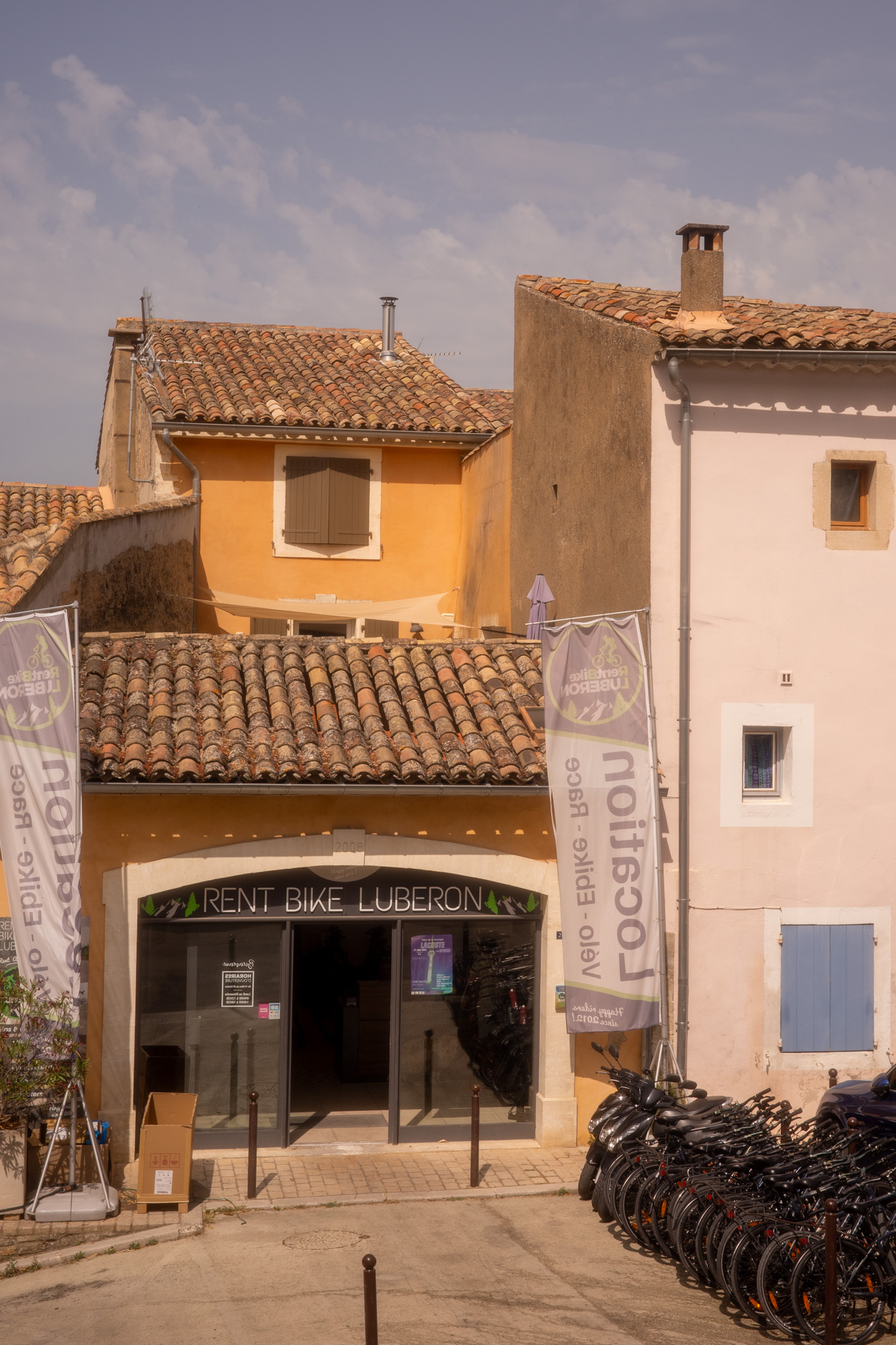
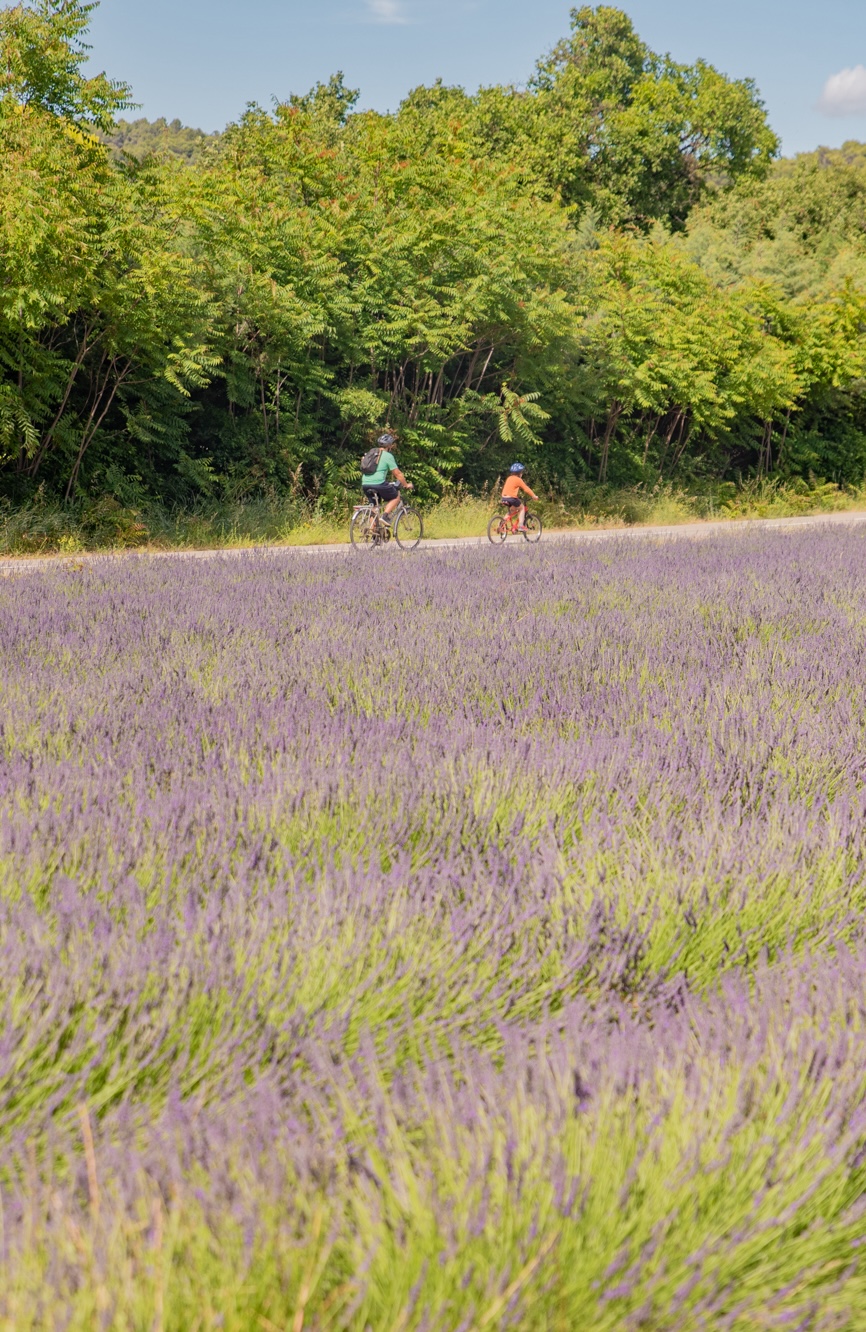
A little unexpectedly, Bonnieux has not one but two bike rental shops – a rarity in this part of France. That’s good news for visitors, though, because the village is ideally placed for exploring the Véloroute de Calavon – a family-friendly cycling trail that winds its way across the Luberon, passing by lavender fields, cherry orchards, swimming spots, and scenic bridges. Renting an e-bike makes light work of the 43km trail, leaving you free to enjoy the views.
Picnic at Pont Julien
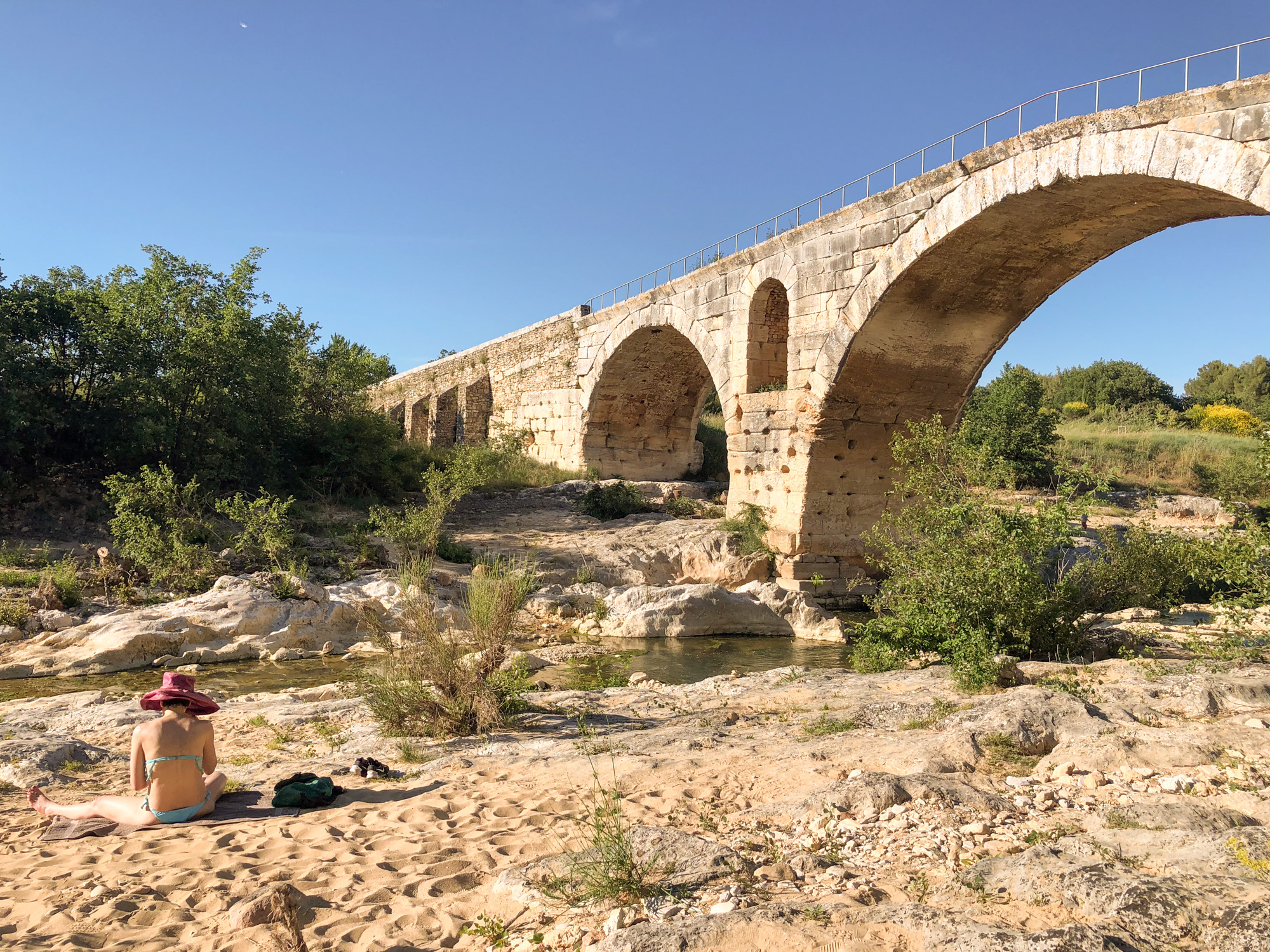
Just a few kms from Bonnieux (along the véloroute), stands one of the most remarkable relics in Provence – Pont Julien. Built in 3 BCE to carry the Via Domitia across the Calavon River, this simple, yet stunning bridge has withstood floods, wars, and more than 2000 years of continuous use. It even had cars and trucks rumbling over its arches up until 20 years ago! Nowadays, it’s reserved for pedestrians and cyclists only, with a new car bridge being built nearby to serve the passing traffic.
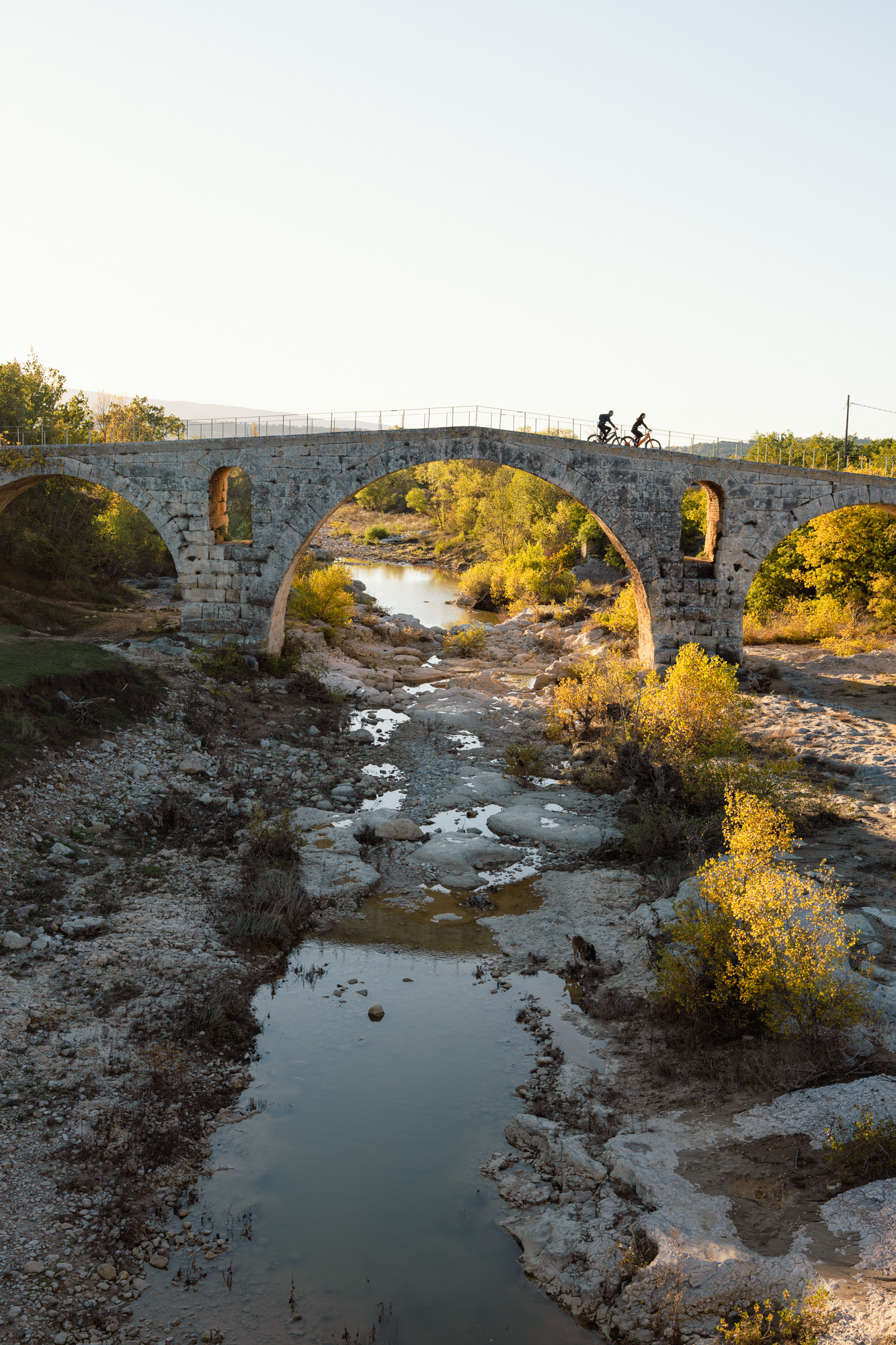
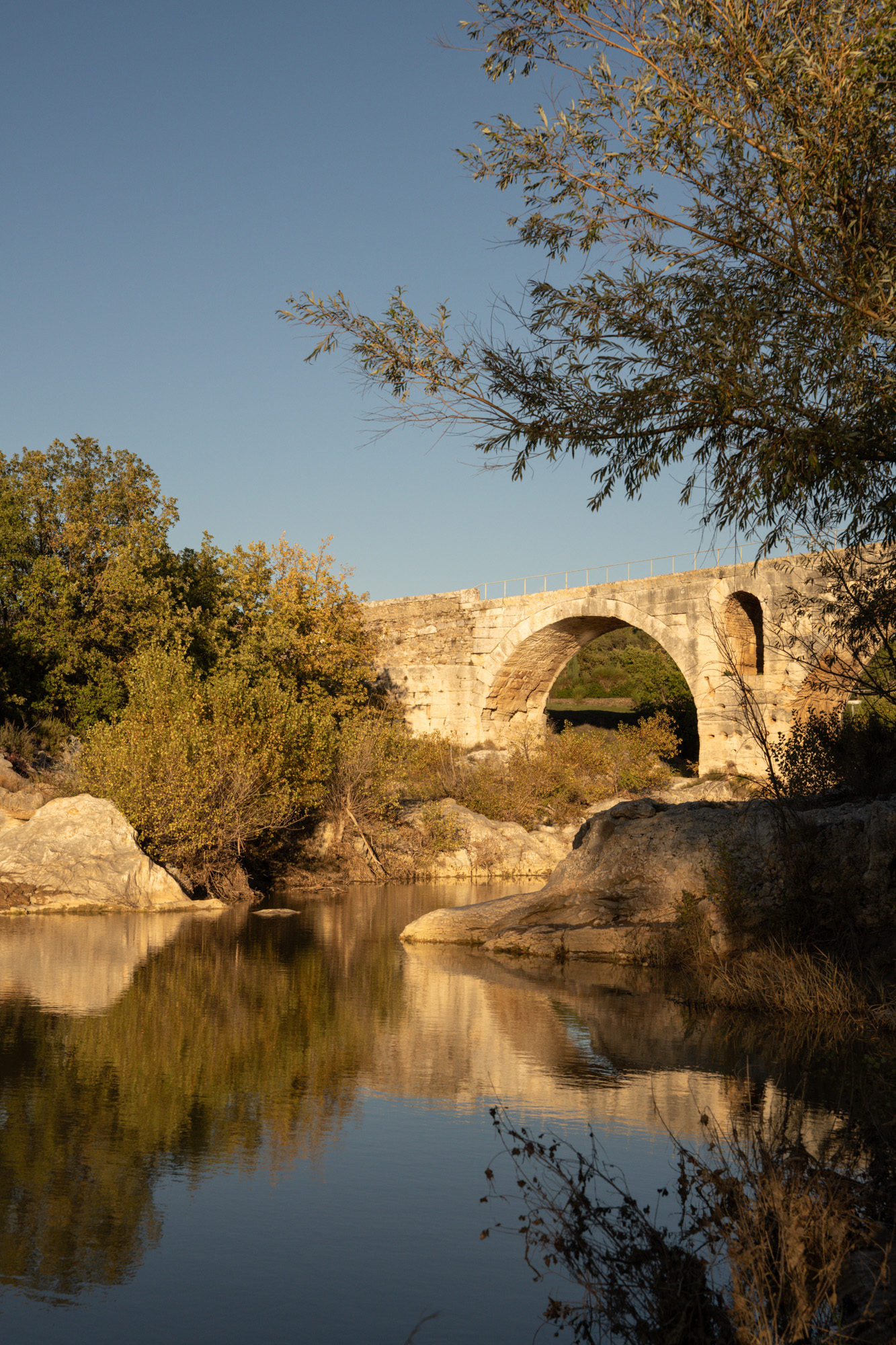
It’s a wonderful place for a pitstop while cycling, or a picnic lunch after shopping at the market. When the sun is out and the river is flowing (it often runs dry in summer), the rocks beneath the bridge form natural pools, turning the area into a popular swimming hole.
Take a Ramble in the Forêt des Cèdres (Cedar Forest)
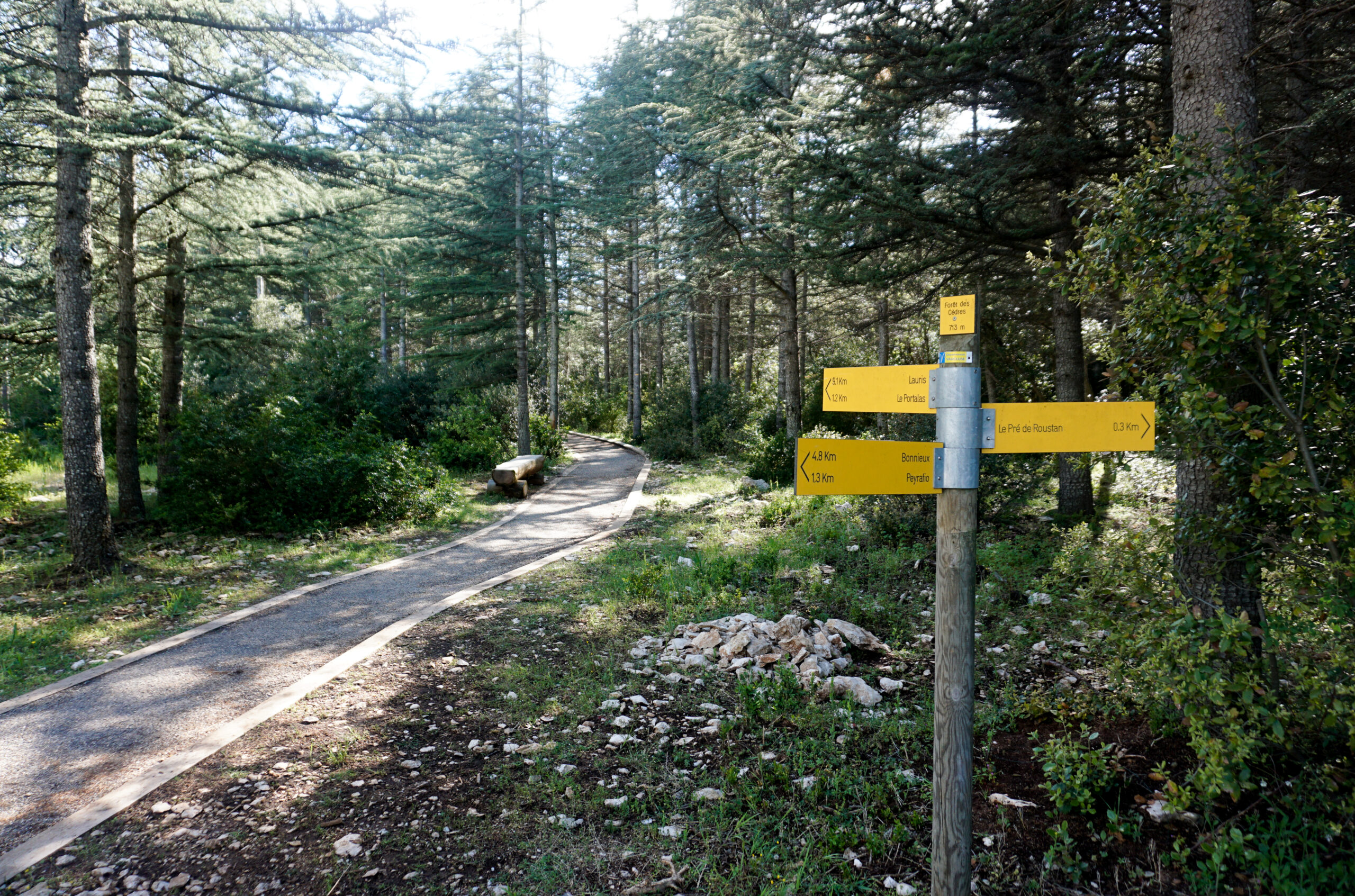
The Forêt des Cèdres has always been a favourite in our family. We’d often bring the dogs up here for a change of scenery, enjoying the views and sense of adventure (even if we’ve strayed off track a few too many times!). Planted in the 19th century with seeds from North Africa, it has grown into one of the Luberon’s most enchanting natural landscapes.
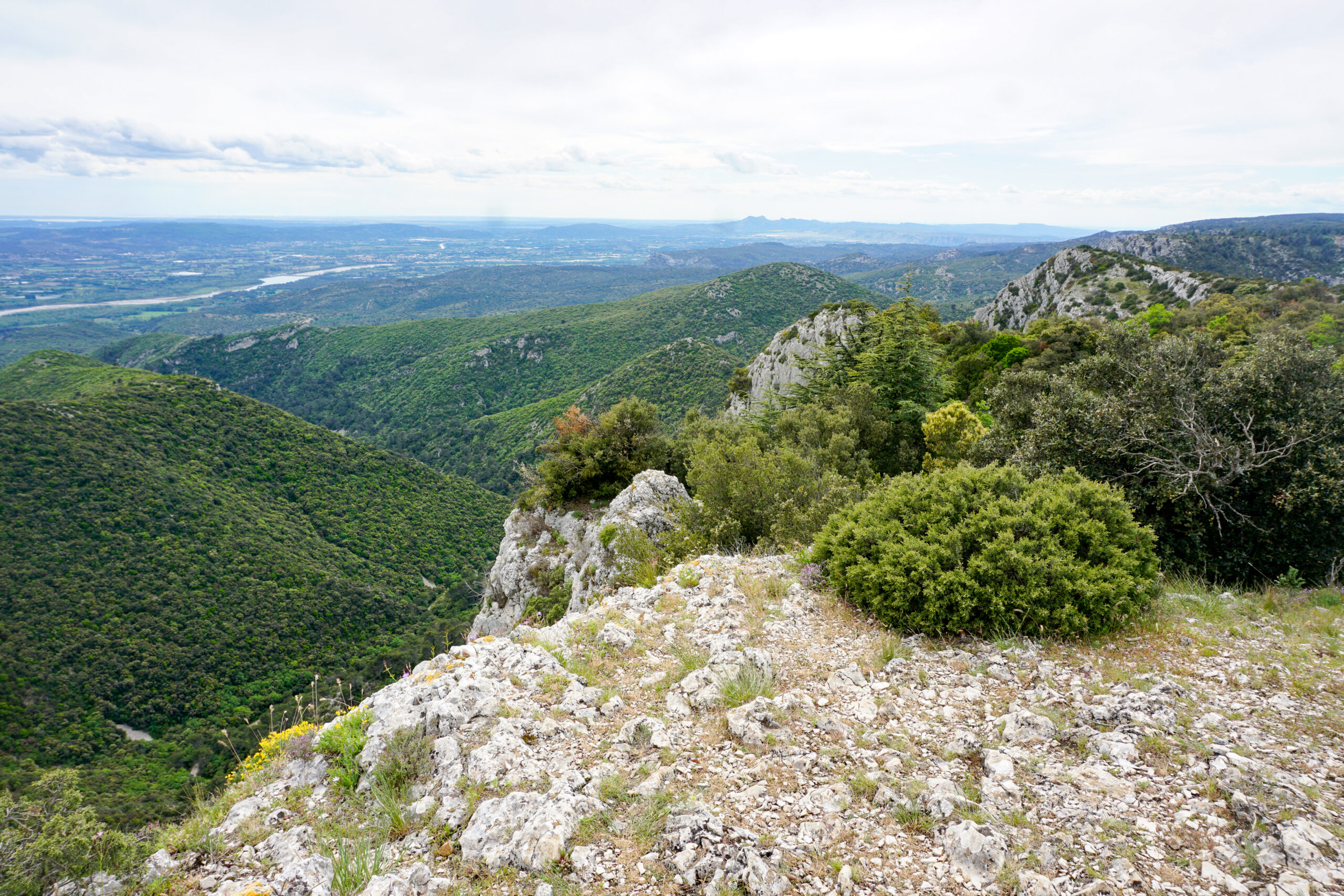
Just outside of Bonnieux, on the road from Lourmarin, the forest is easy to reach and has plenty of parking – though it can get busy on fine weekends. At the entrance, an information board outlines the different walking and cycling routes, including one designed to be wheelchair accessible.
Visit the New & Old Churches
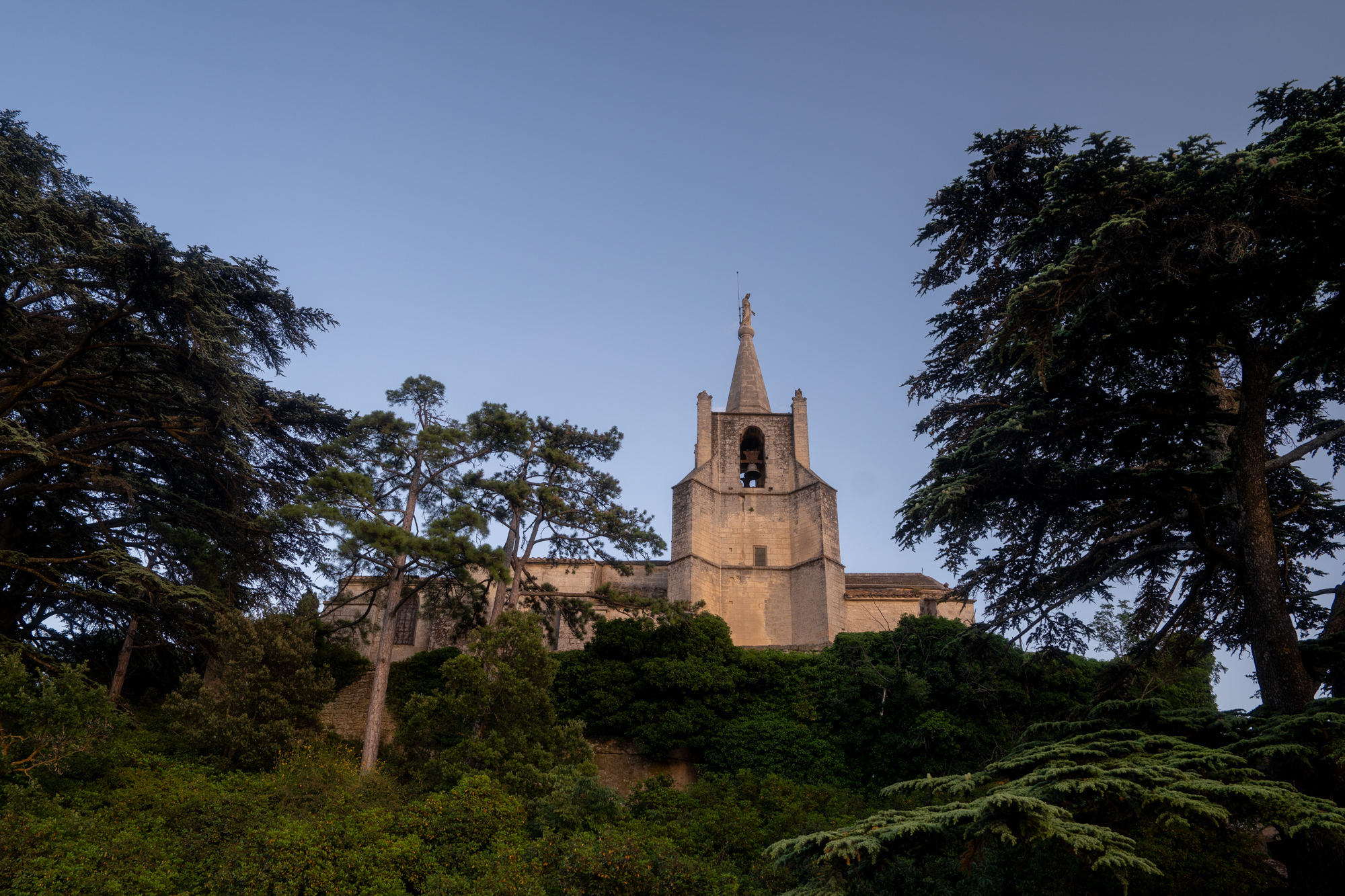
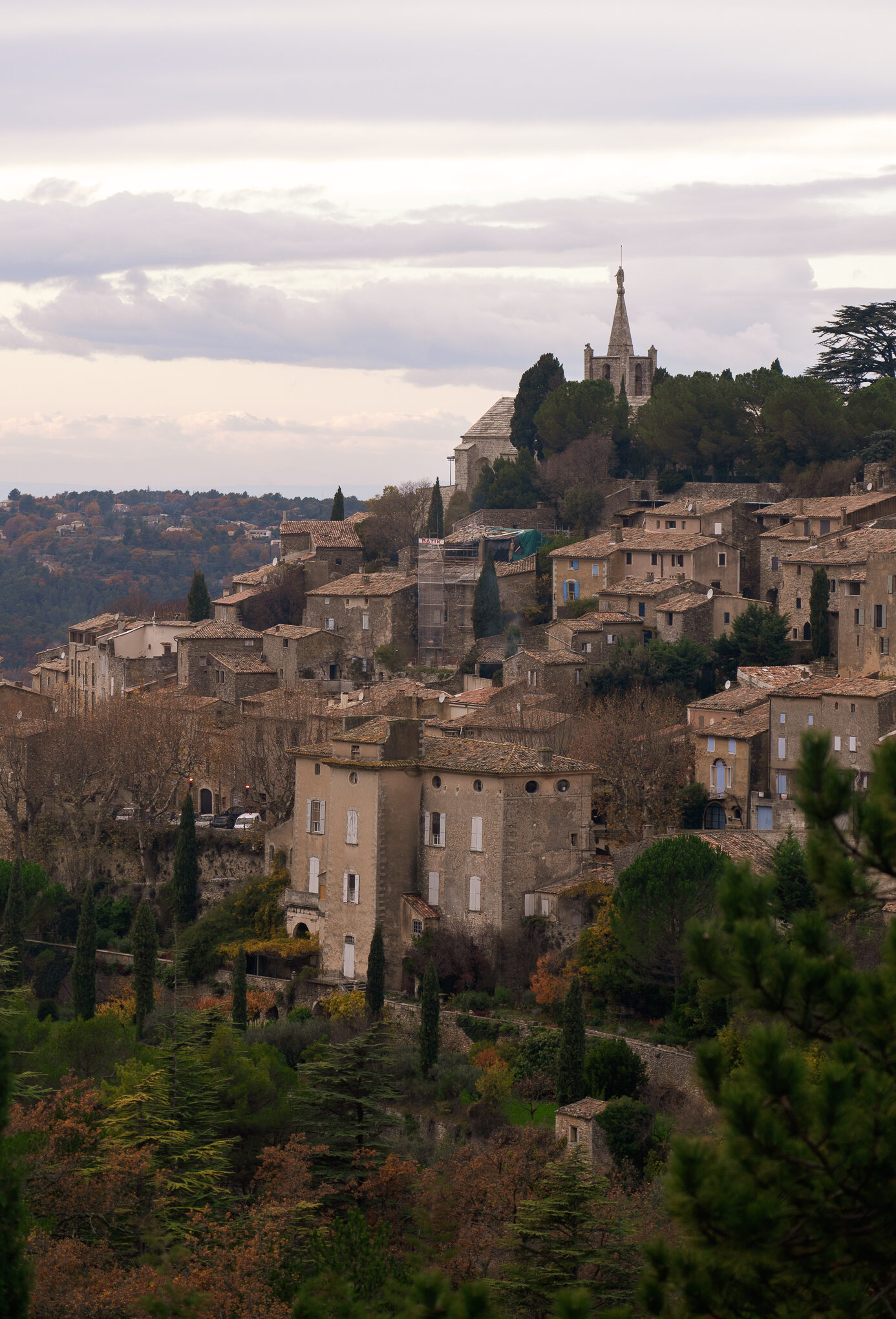
Whichever direction you approach Bonnieux from, one of its two churches will be there to greet you. Arriving from the northern Luberon, it’s the Église Neuve that rises first into view, while from the south, the spire of the Église Haute is unmistakable on the skyline.
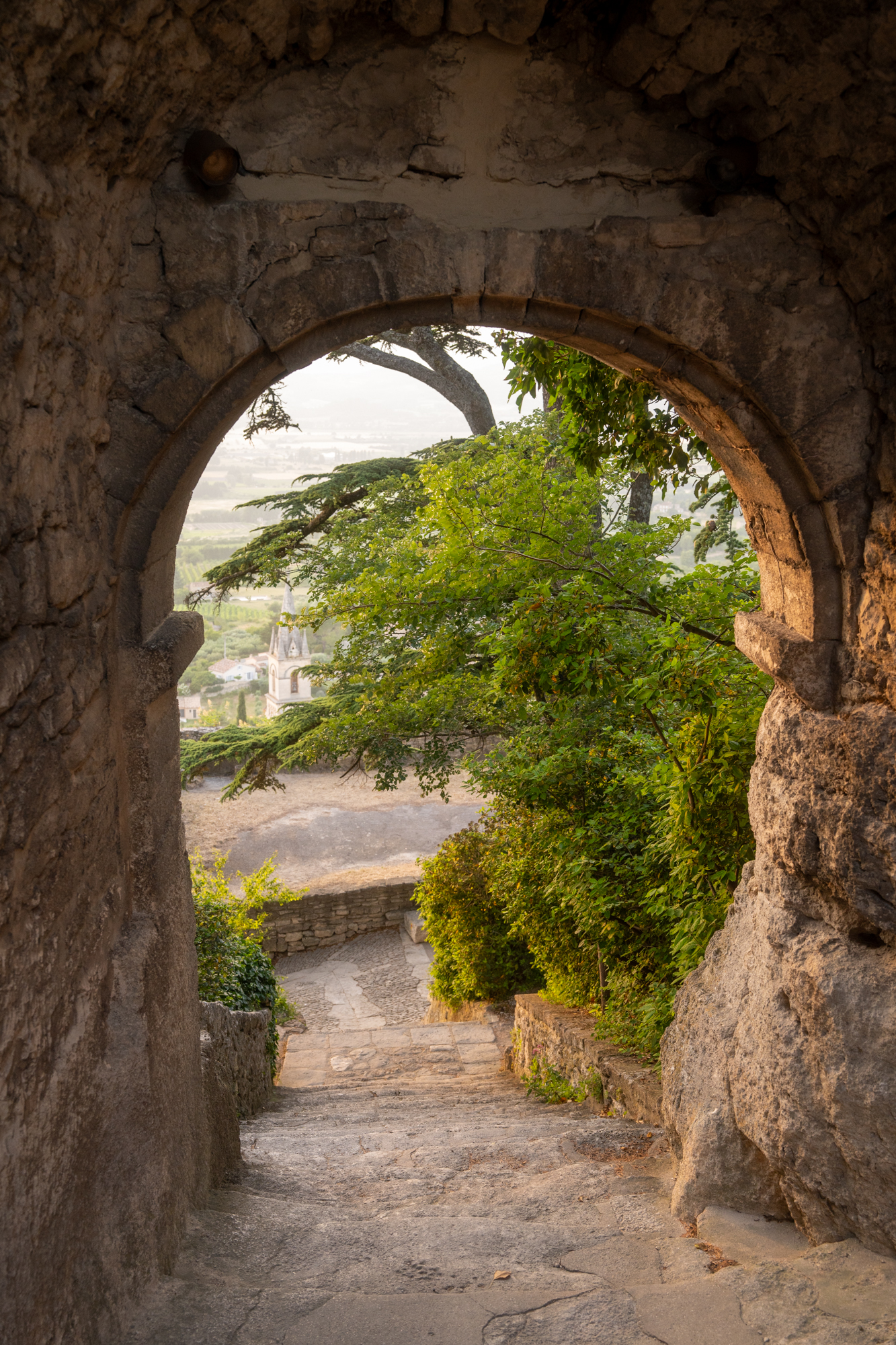
Église Haute, the older of the two, was built in the 10th century (and expanded over the following two centuries) as a dedication to Saint Sauveur. Though currently closed for renovations, you can still make the climb to its grounds, soak up the sweeping views, and even enjoy a picnic beneath its ancient walls.
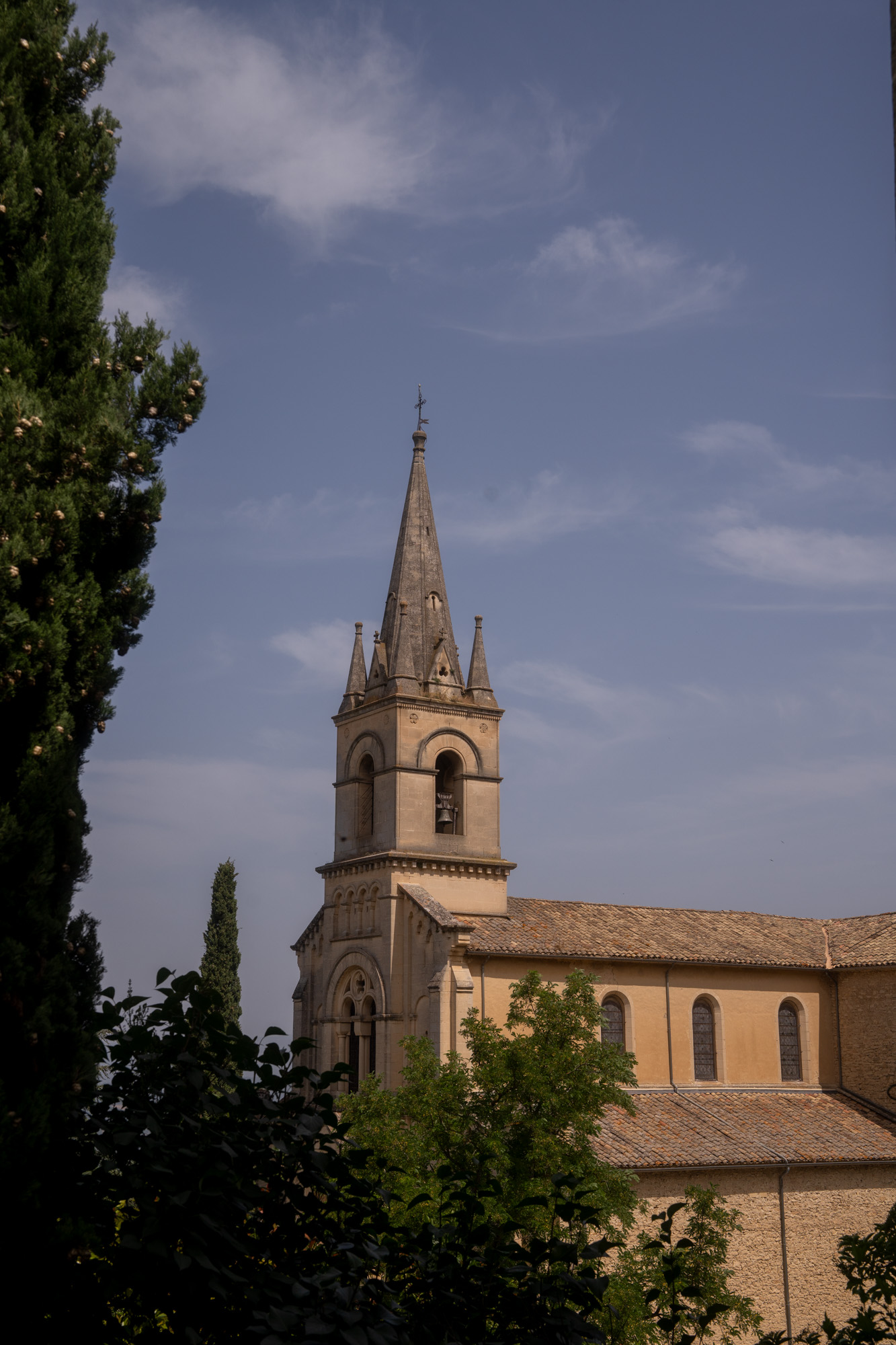
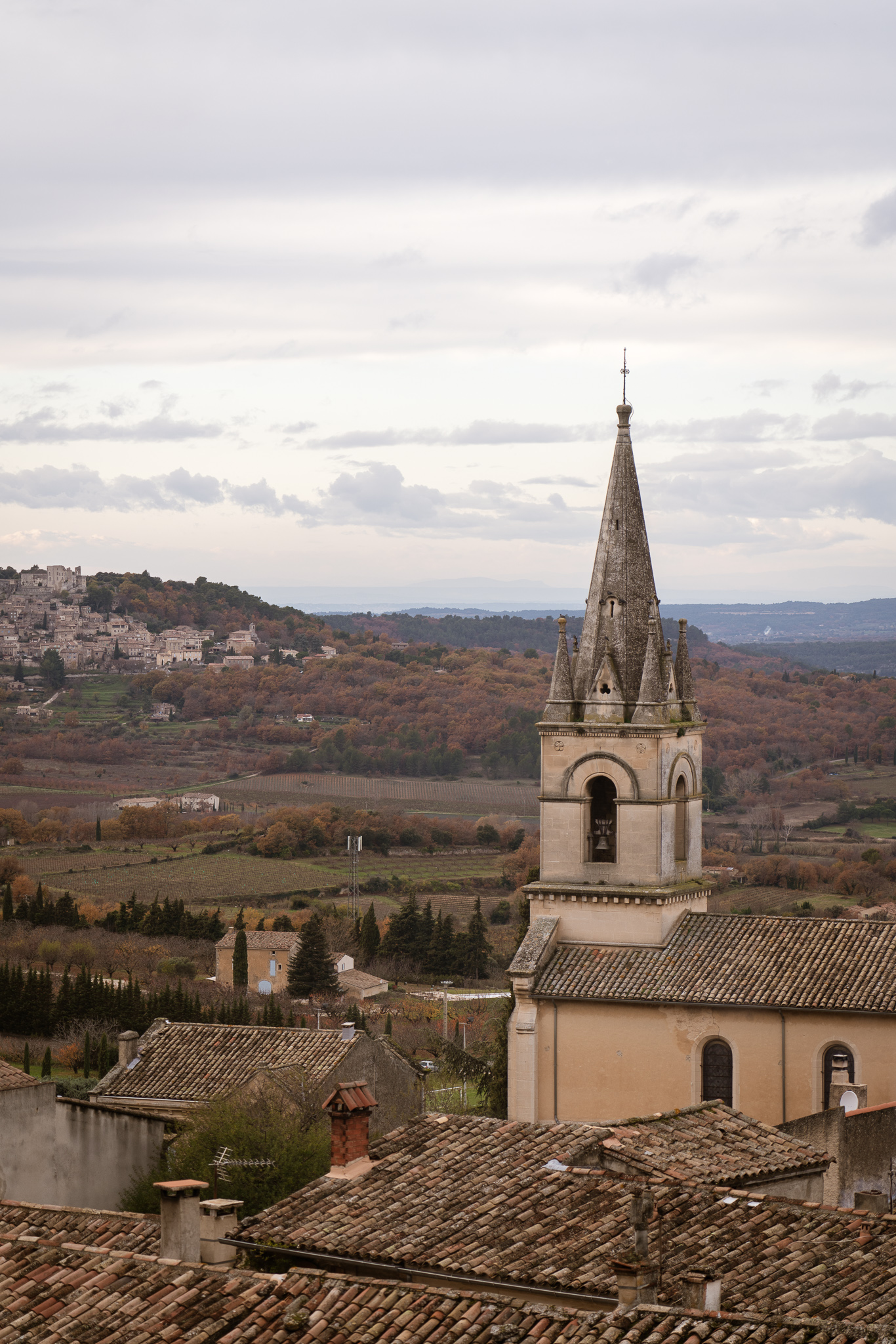
By contrast, the Église Neuve dates to the late 19th century, built when the parish decided the hilltop church was too arduous a climb for elderly villagers. Its spire dominates the village silhouette when viewed from above, and the cool interior is worth a glance as you wander past.
Savour a Meal at JU-Maison de Cuisine
The Michelin-starred Ju-Maison de Cuisine is the restaurant to book for a special evening in Bonnieux. Set within a beautifully restored stone building in the heart of the village, this intimate spot offers an experience that delights all of your senses.
Toast the Sunset at Les Terrasses
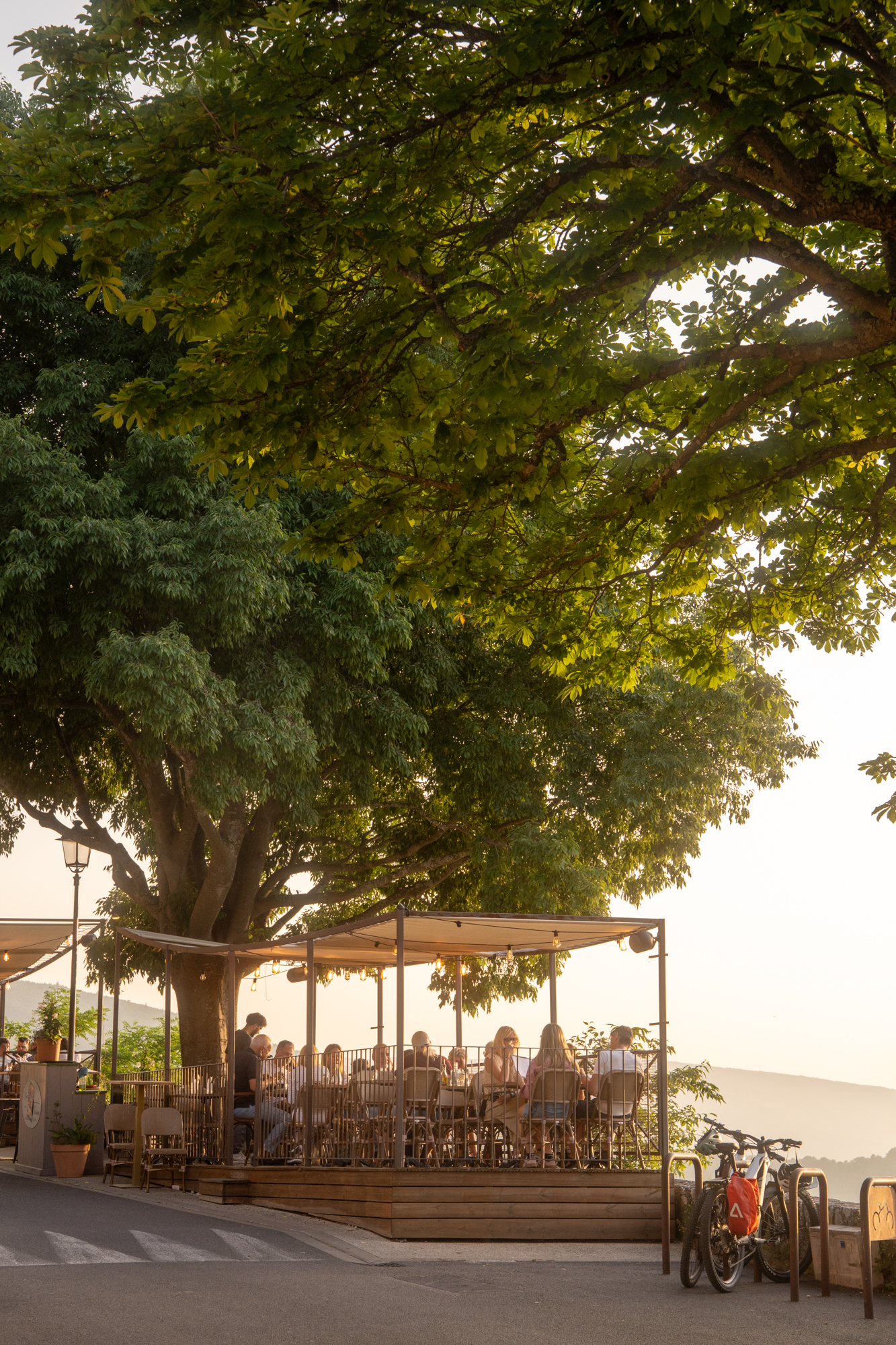
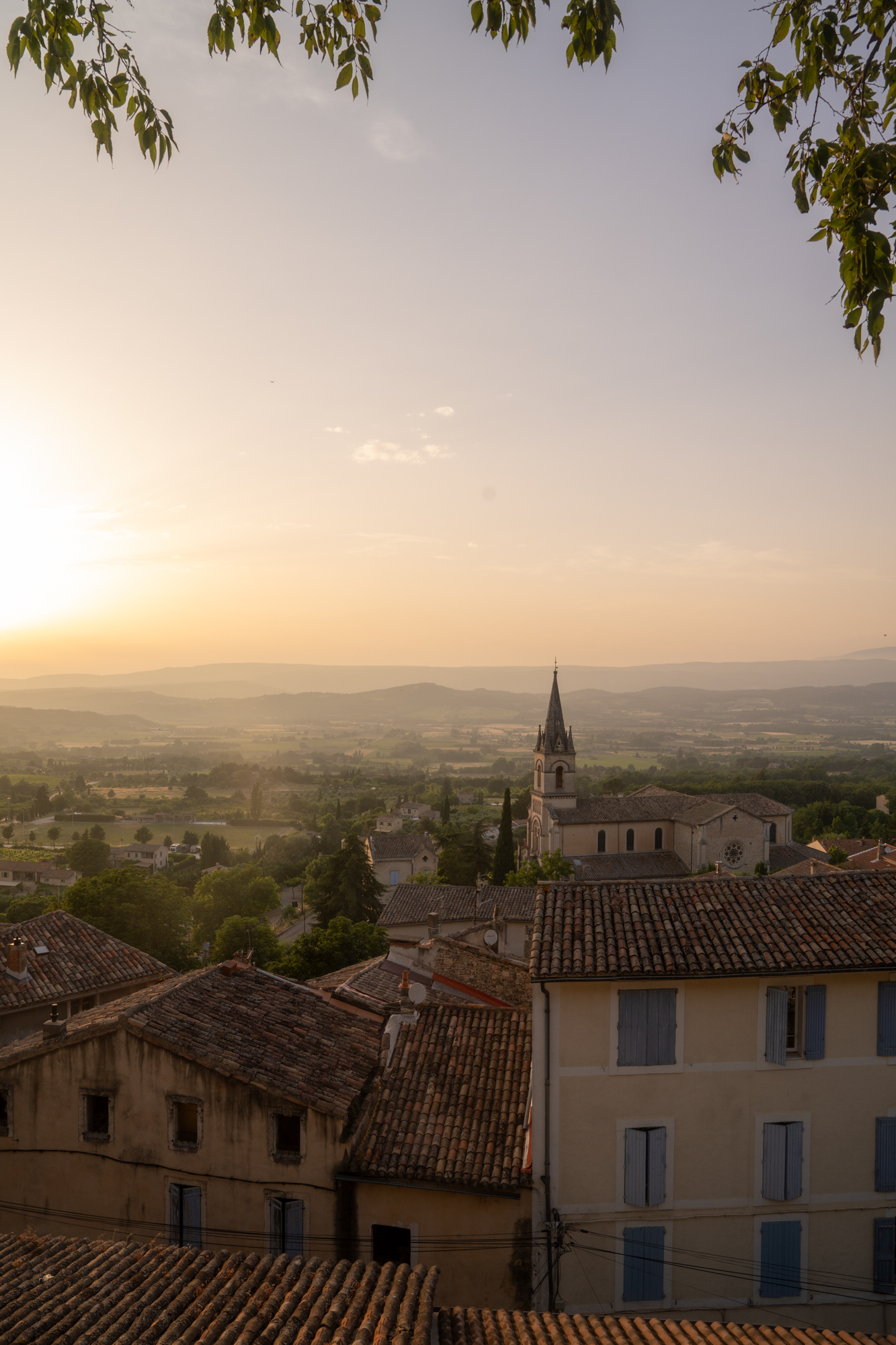
At sunset, there’s no better spot in Bonnieux than Les Terrasses. The most sought-after tables are on the street-side terrace, where views stretch across the village rooftops and the valley beyond – so it’s worth booking ahead in peak season.
The menu is classic bistro fare, simple but satisfying, making it an easy choice for a relaxed lunch or dinner.
Visit at Christmas for les Santons
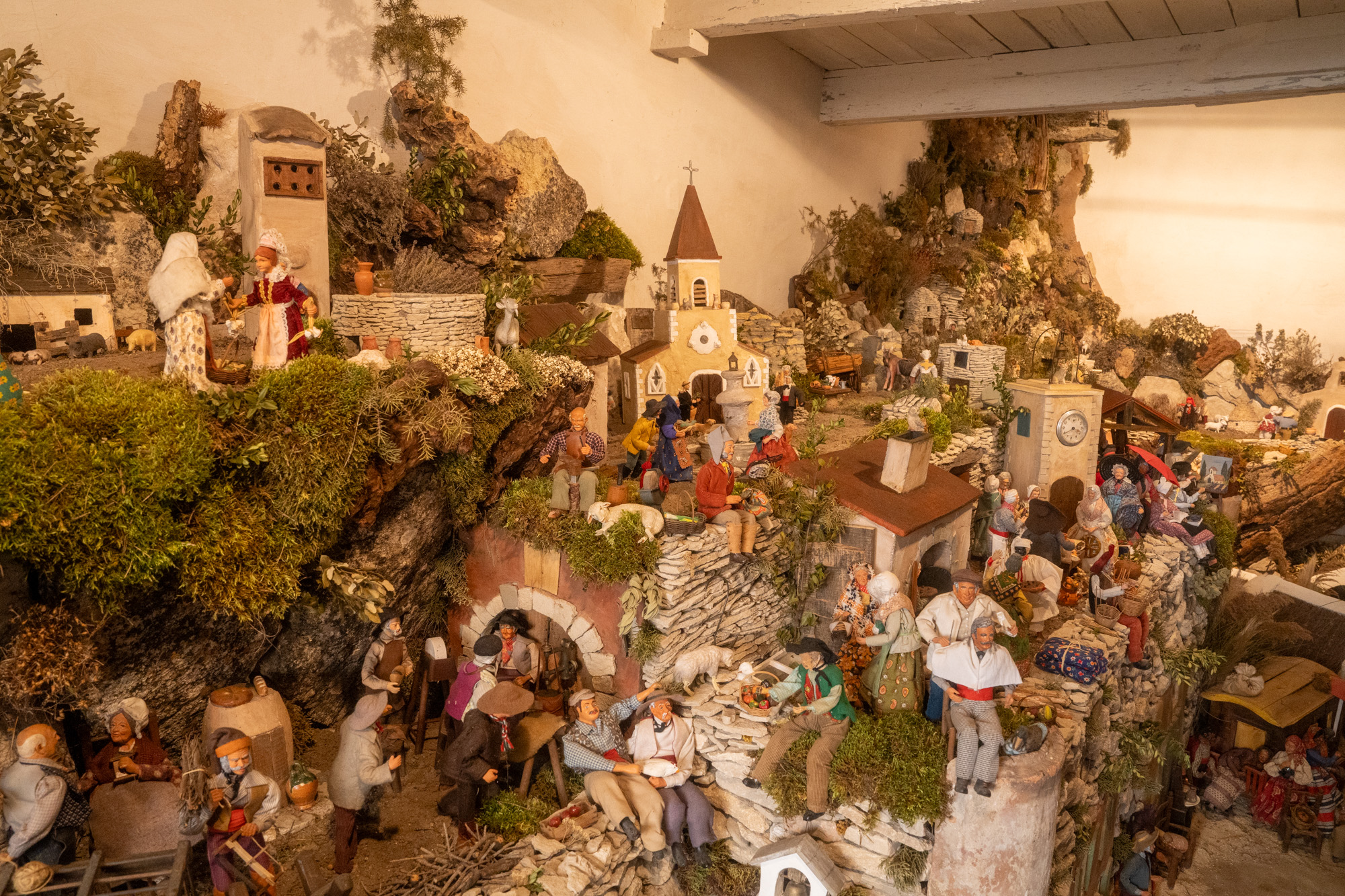
Most people tend to visit Provence in the warmer months, but come winter, authentic traditions take centre stage. In Bonnieux, one of the highlights of the Christmas Season is a unique installation in the Église Haute, where local collector Vincent Gils creates a nativity scene using santons – the hand-painted clay figurines that have been a cornerstone of Provençal Christmas celebrations since the 18th century.
The display, which recreates 19th-century Provençal life, uses more than 10 cubic metres of stone to form walls, vaults, and bories that mirror the local landscape. A miniature village unfolds in remarkable detail – with farmhouses, a boulangerie, and mills all crafted by hand. And at its heart are the santons, around 500 of them, dressed in traditional attire and bringing the scene vividly to life.
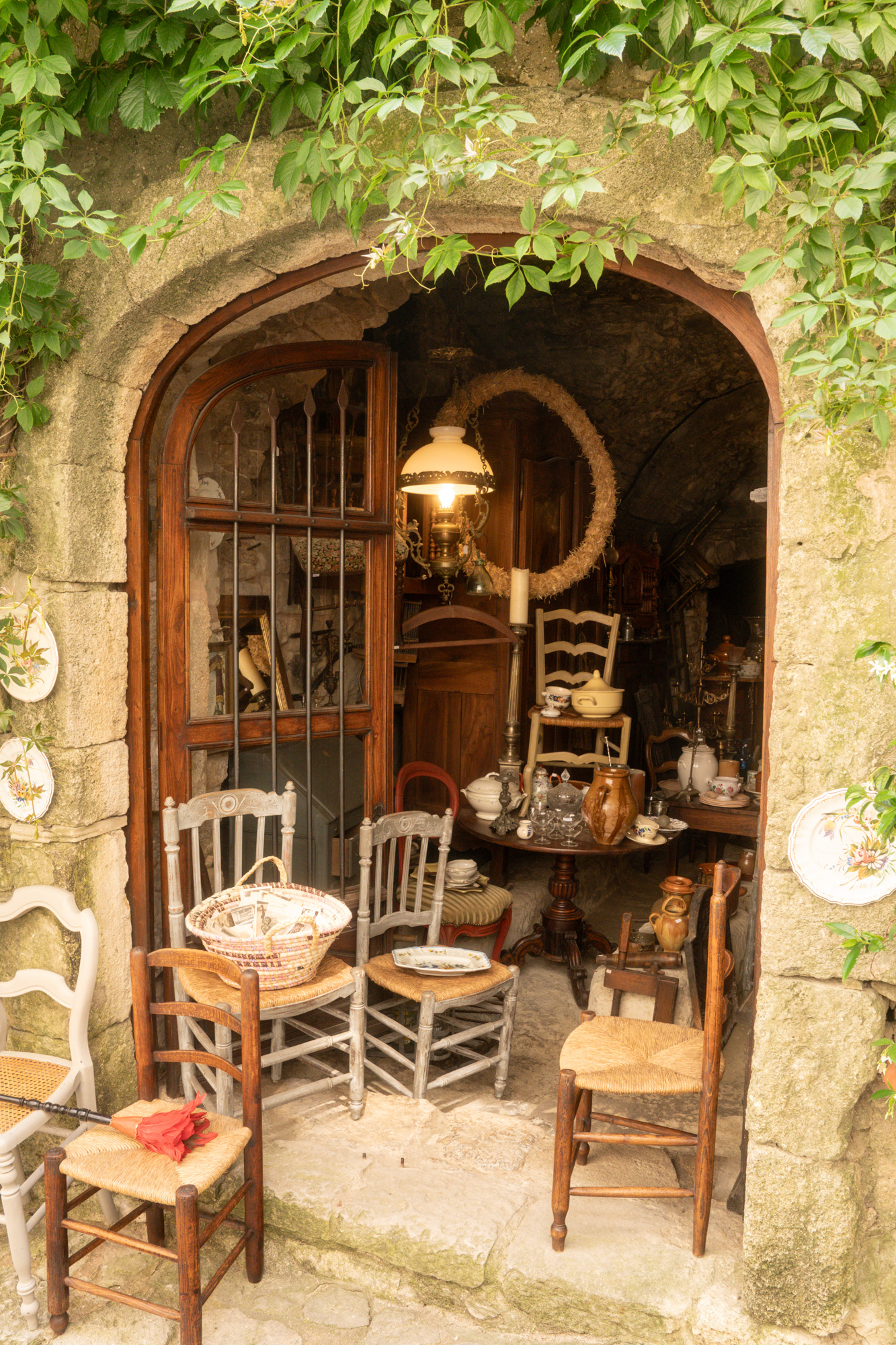
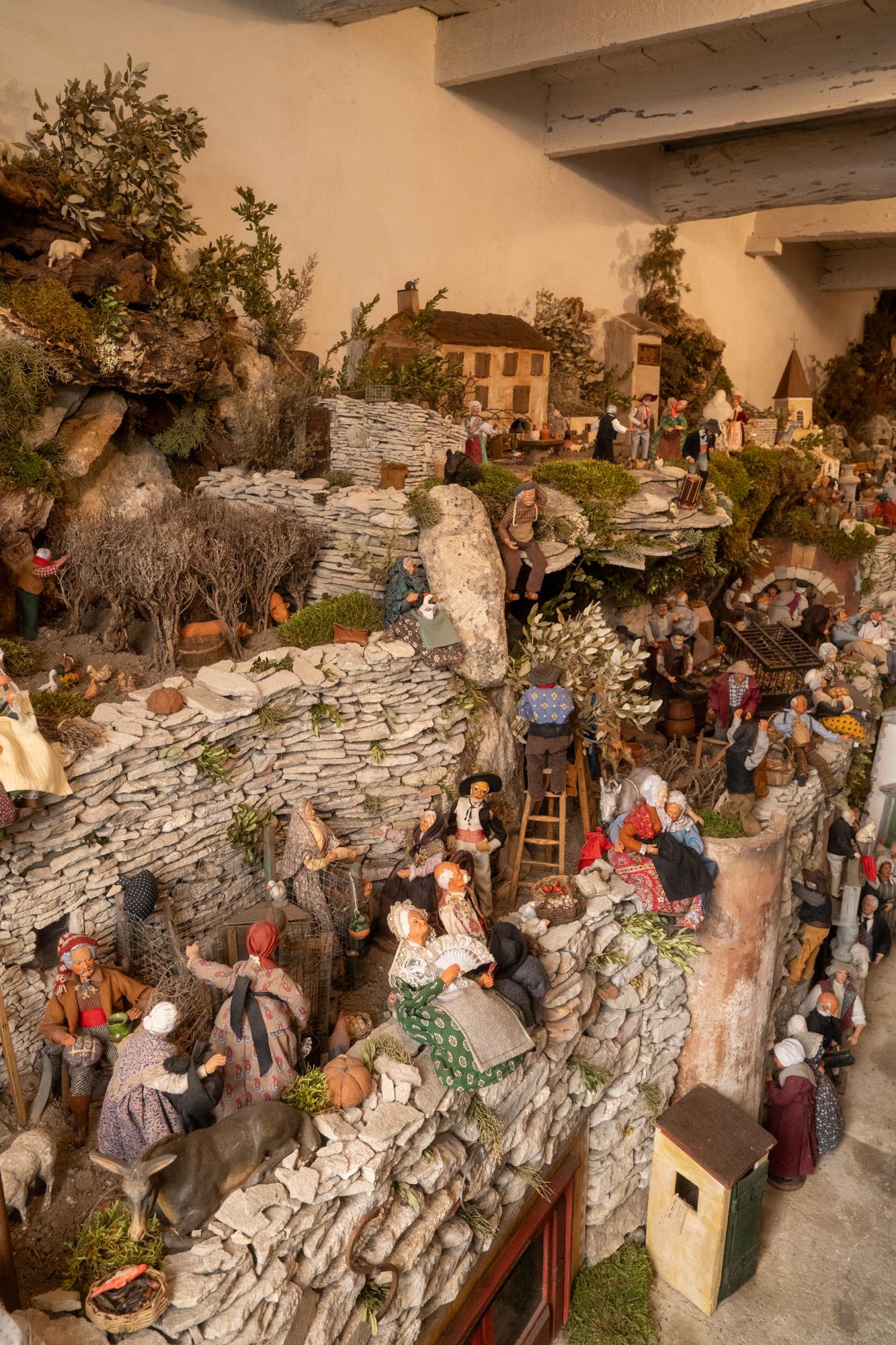
While the church is undergoing restoration, part of the santon village has been set up in a temporary home next to the antique store on rue Voltaire. I was lucky enough to see it on market day.
A quick note: Many articles about Bonnieux mention the Musée de la Boulangerie (Bakery Museum). And while it still exists, I’ve never actually seen it open, so it’s unclear if it’s closed for good or only open by appointment.
Places to Visit Nearby
Bonnieux is a great base for exploring the Luberon. Located just north of the Petit Luberon mountain range, you can access the other villages in the valley, as well as those further south, like Lourmarin and Cadenet. Here are some nearby places not to miss during your stay.
Lourmarin
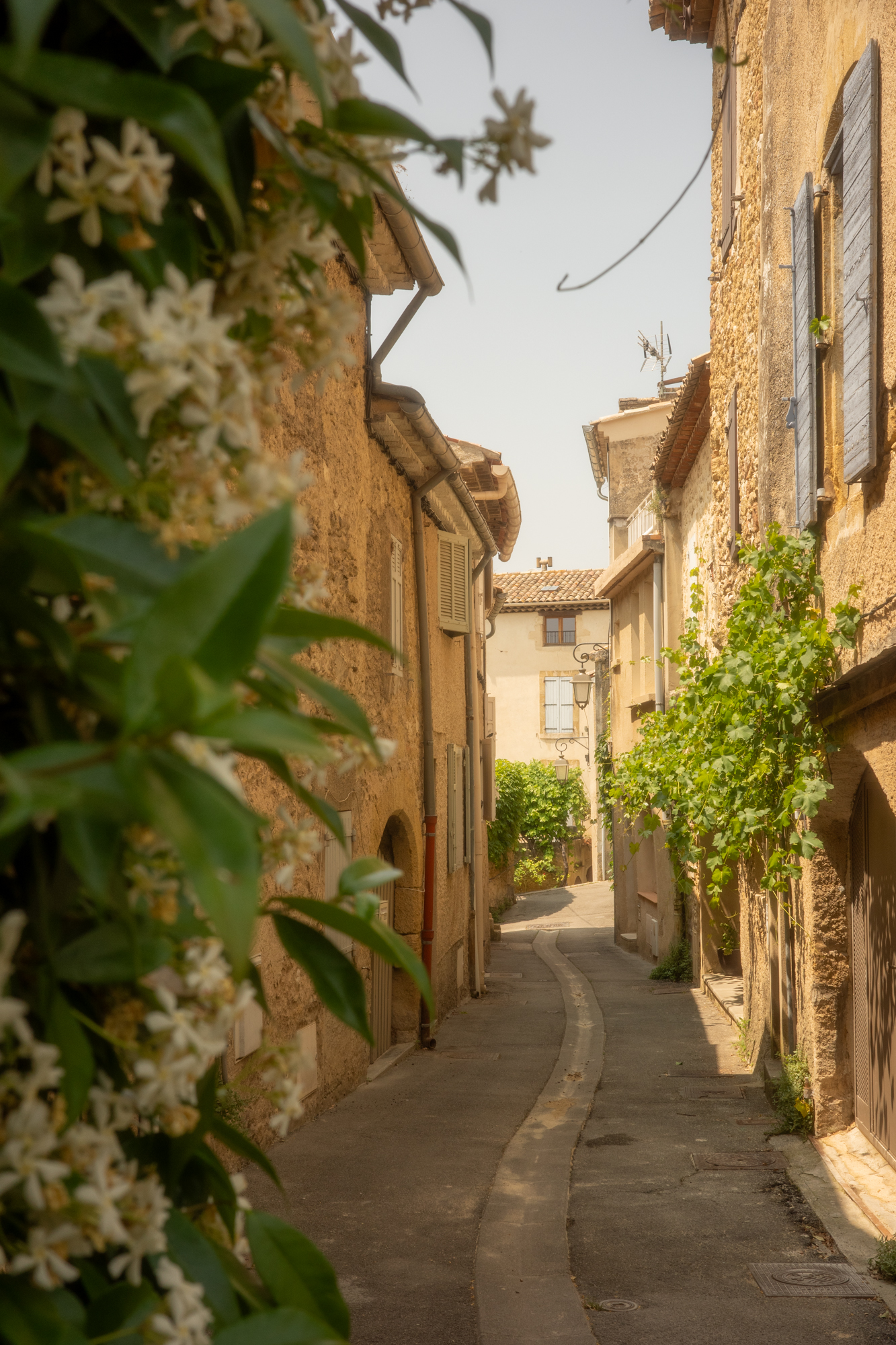
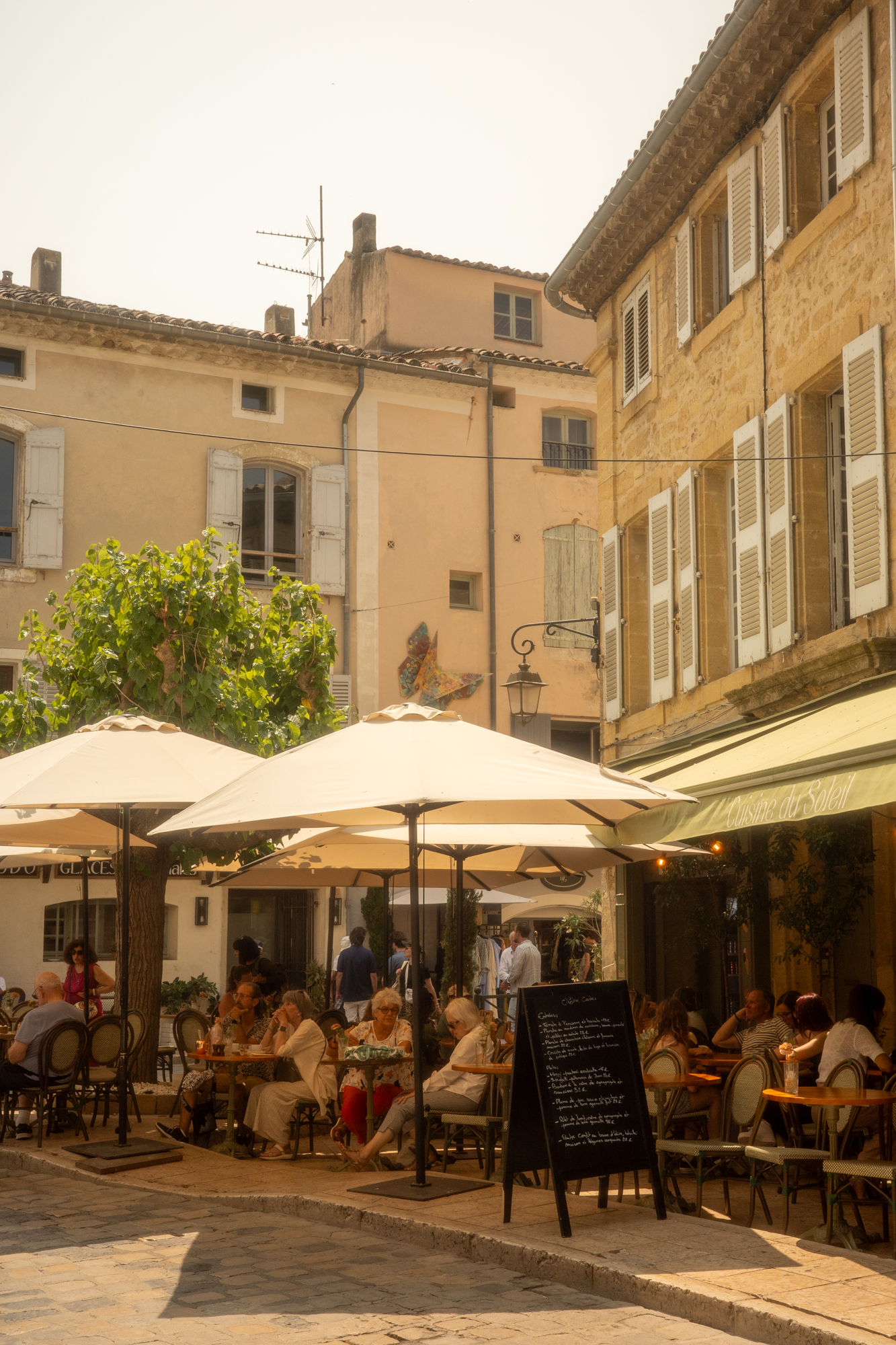
Just a short and scenic drive through the Combe de Lourmarin, a dramatic gorge that cuts across the Luberon, lies the village of Lourmarin – one of France’s most beautiful villages. Known for its Renaissance Château, lively Friday market, and local art scene, it has a different feel to it than the other Luberon villages. Partly because it’s not on a hillside, and therefore more accessible and walkable.
Lacoste
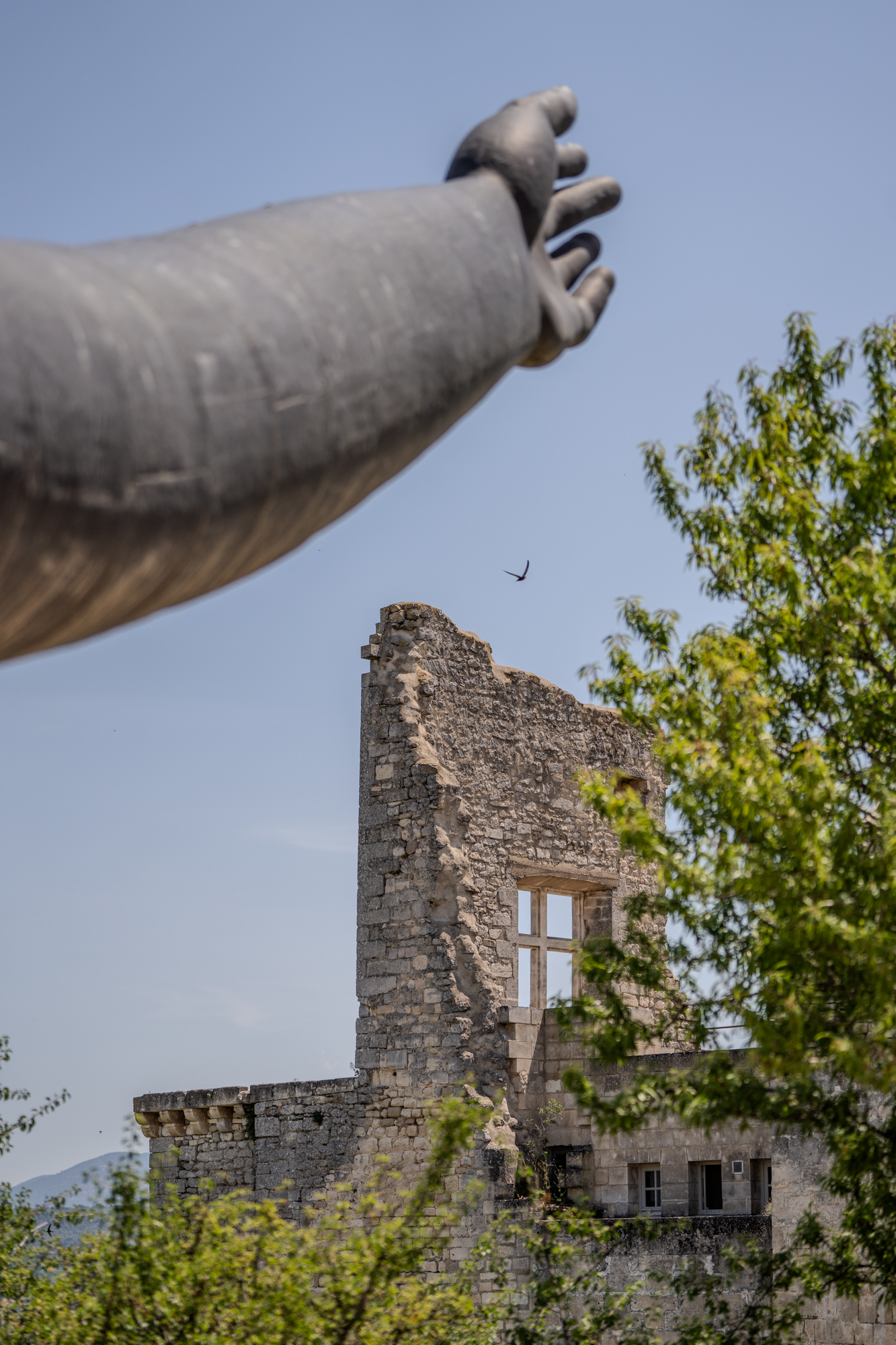
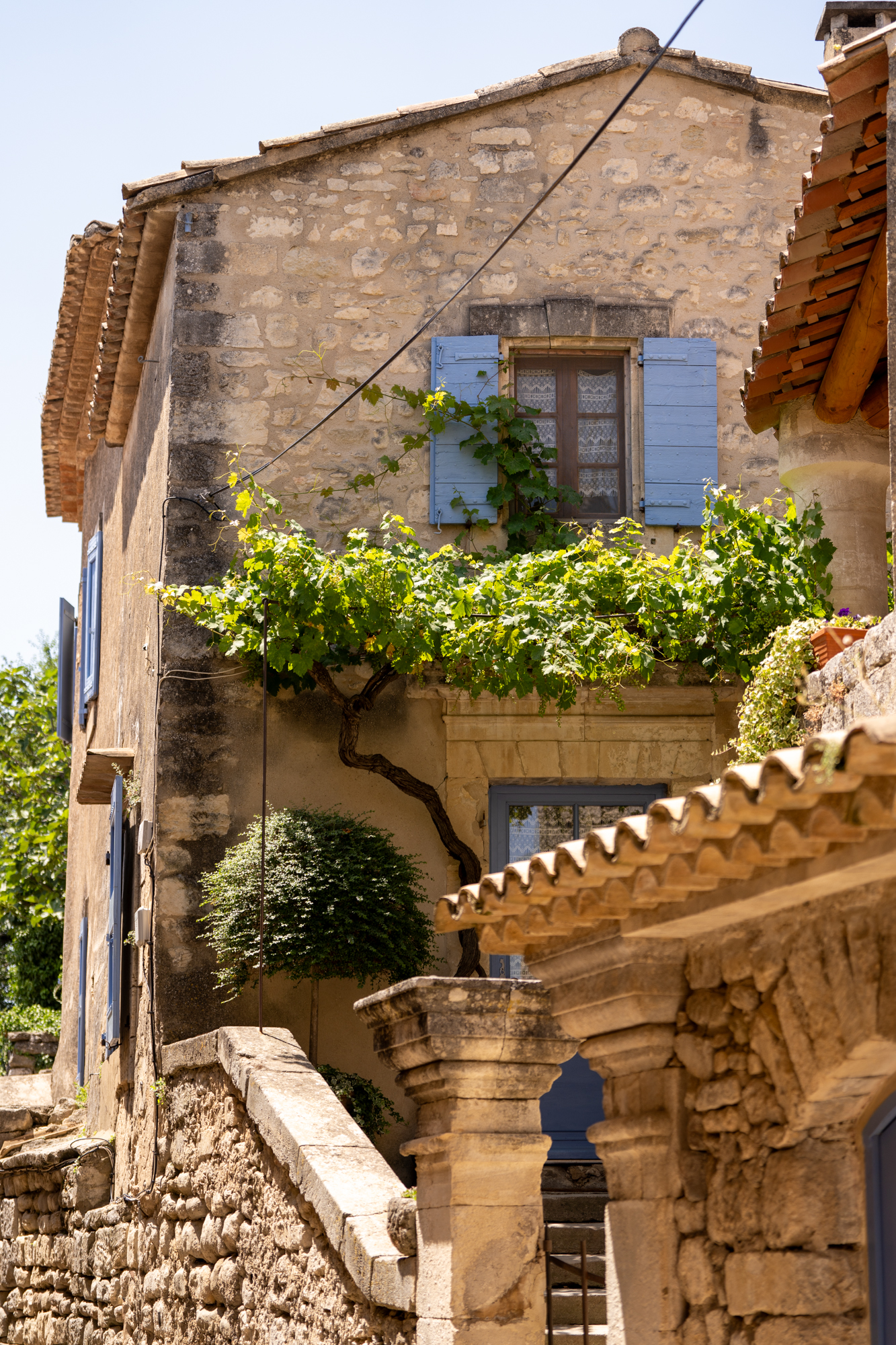
Lacoste is perched on a neighbouring hill, and you can see it easily from Bonnieux’s terraces. The tiny village is dominated by the ruins of Château de Lacoste, once the residence of the infamous Marquis de Sade, and partially restored by the late fashion designer Pierre Cardin, who took ownership in 2001. The village itself seems perfectly preserved, and it’s an easy visit for an afternoon wander.
Goult
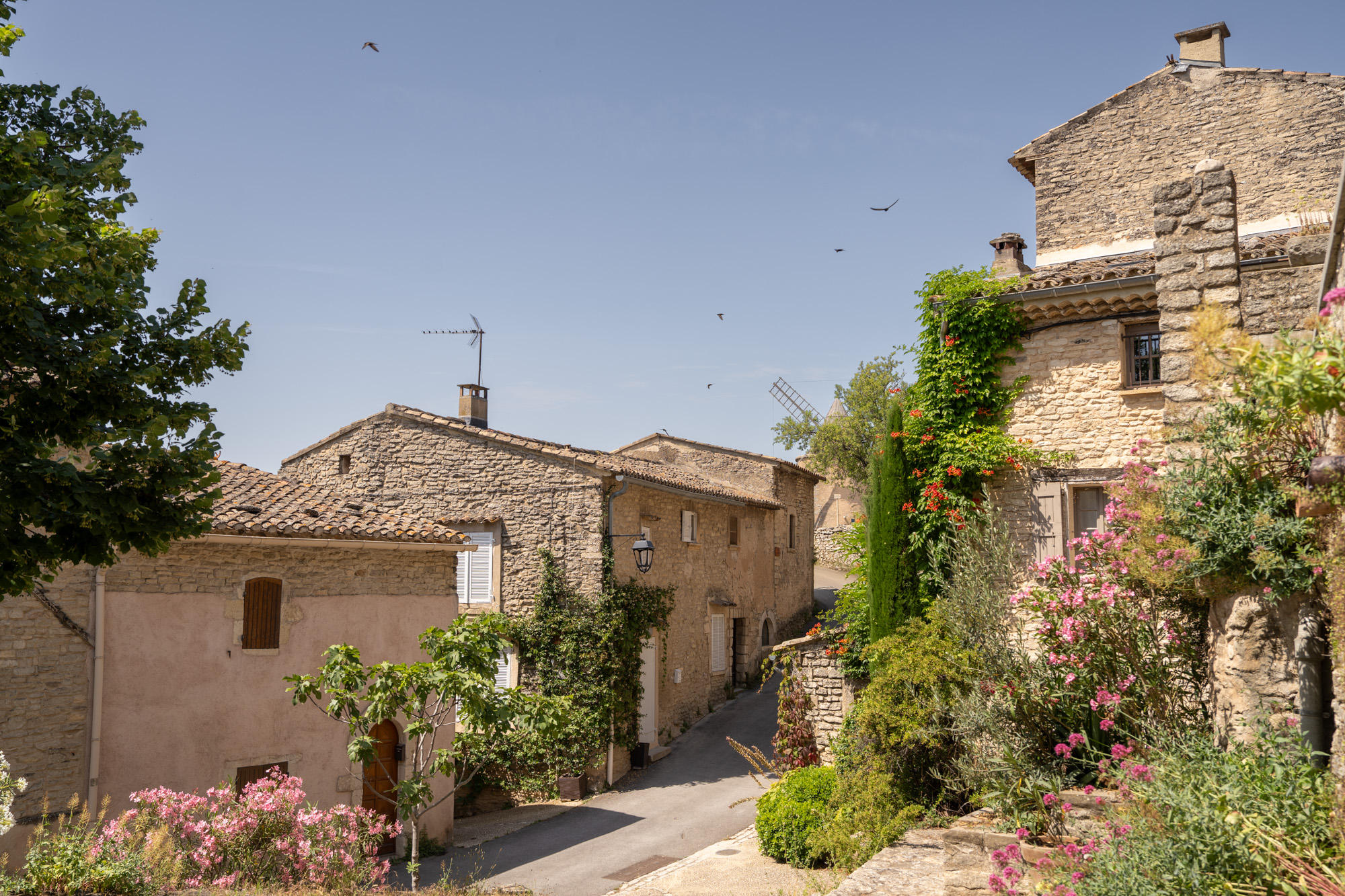
A short drive west from Bonnieux brings you to Goult, a village that I think is a true hidden gem. Quieter and less touristic than Gordes or Roussillon (which are also nearby), it’s ideal for those who want to experience a lived-in Luberon village. Highlights include the old mill, the quirky village cemetery (yes, really! You can read about it here), the Thursday morning market, and the thriving cafe scene.
Where to Stay in Bonnieux
Bonnieux offers no shortage of wonderful places to stay, with excellent options that include:
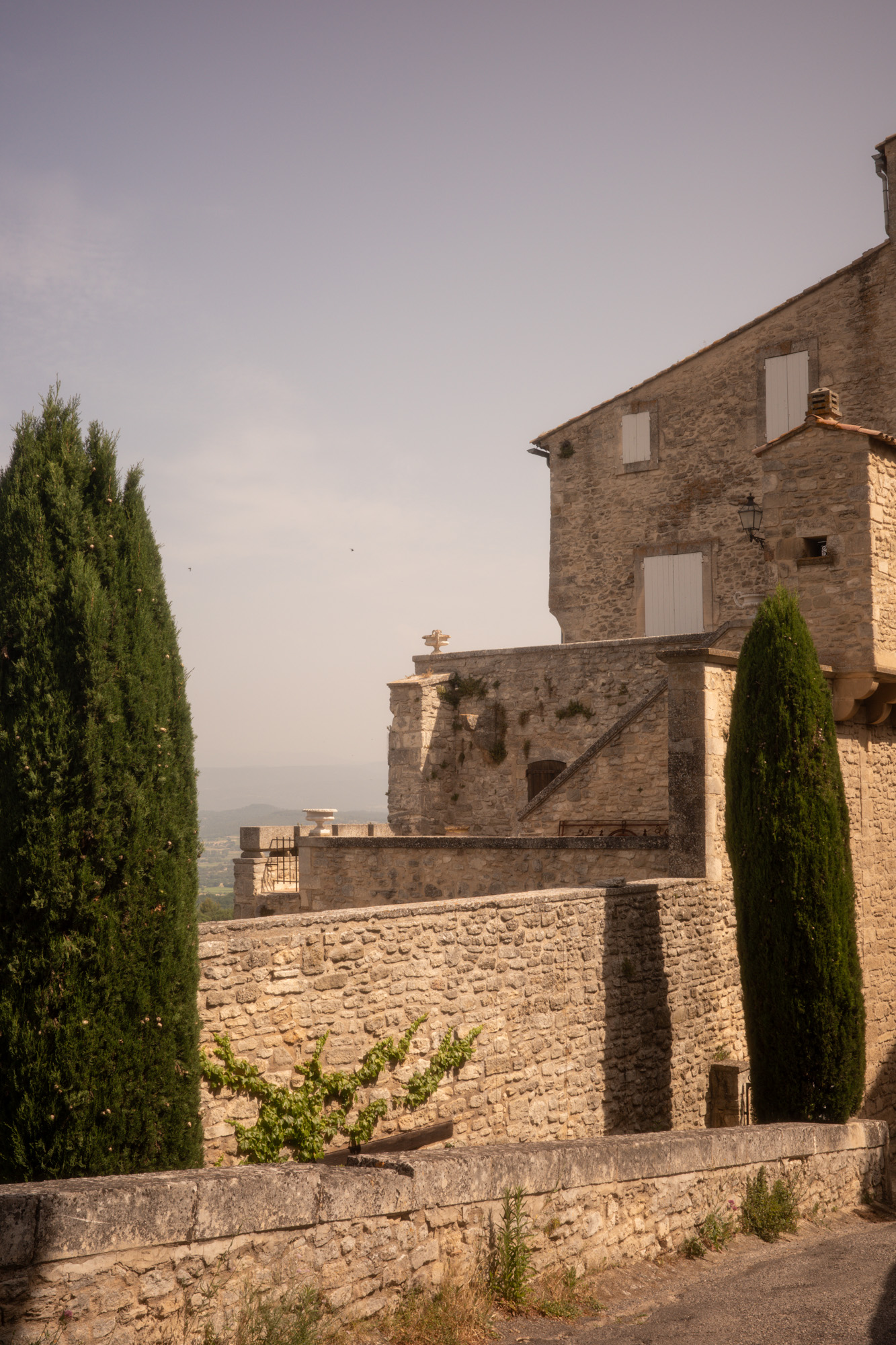
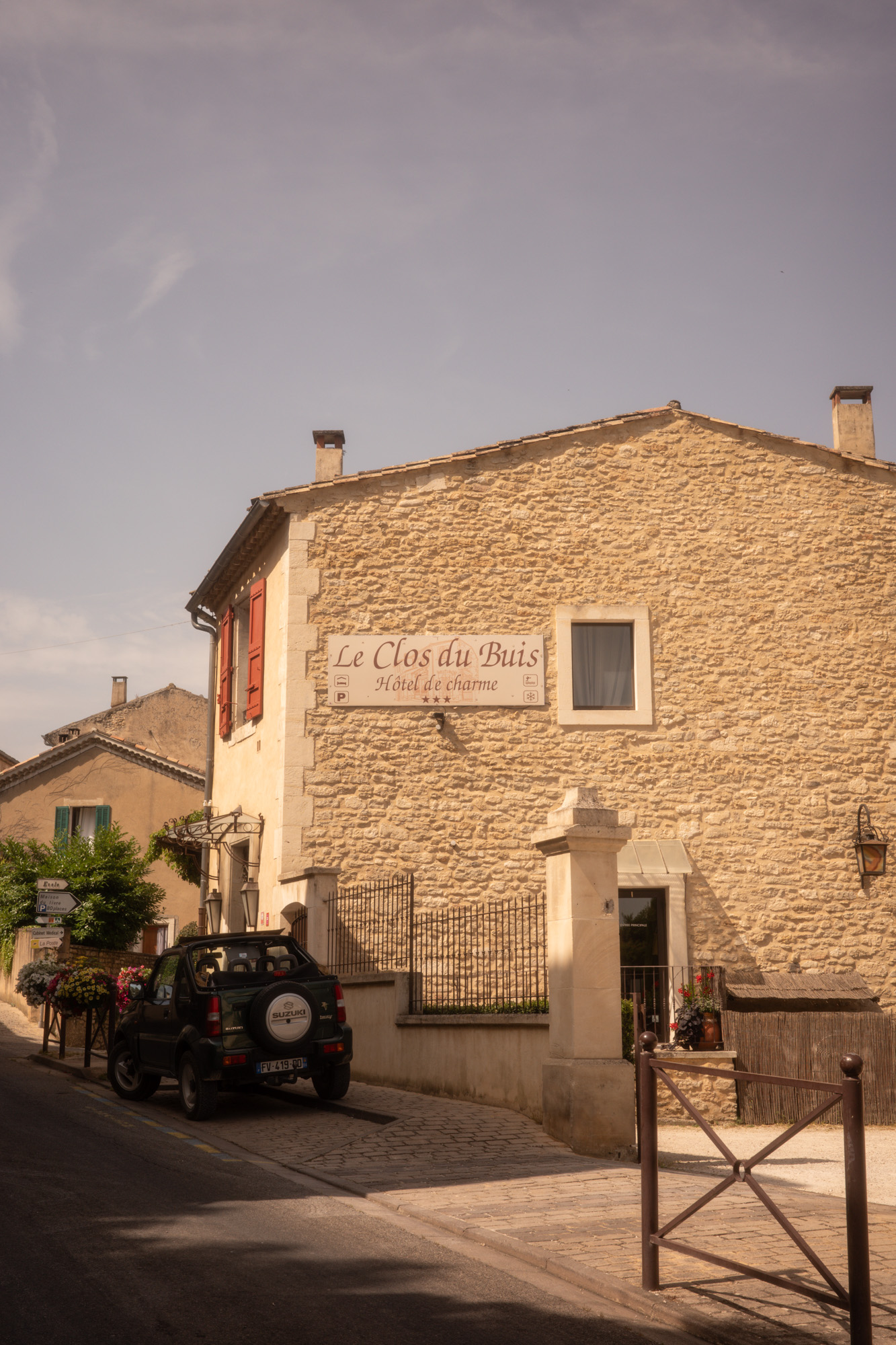
Le Clos du Bois is a romantic retreat set within a traditional stone house in the centre of the village. This boutique hotel features a swimming pool, a lounge with a piano, and a communal kitchen with washing facilities.
Capelongue is my dream stay in Bonnieux. A luxury 5-star hotel set among olive groves on the edge of the village, it’s a destination in itself with two swimming pools, a spa, a beautiful restaurant and fitness facilities.
Families will love this 2 bedroom apartment in the village, completely renovated and with its own fabulous view from the balcony.
Bonnieux is more than a picturesque hilltop on the Luberon skyline; it’s a village that rewards both exploration and lingering. From Roman bridges and medieval churches to forest trails and lively markets, it brings together the very best of Provence in one place. Bonnieux makes an ideal base for discovering the wider Luberon or simply settling into the rhythm of village life.