Visiting the Pont du Gard | A Complete Guide to France’s Iconic Roman Aqueduct
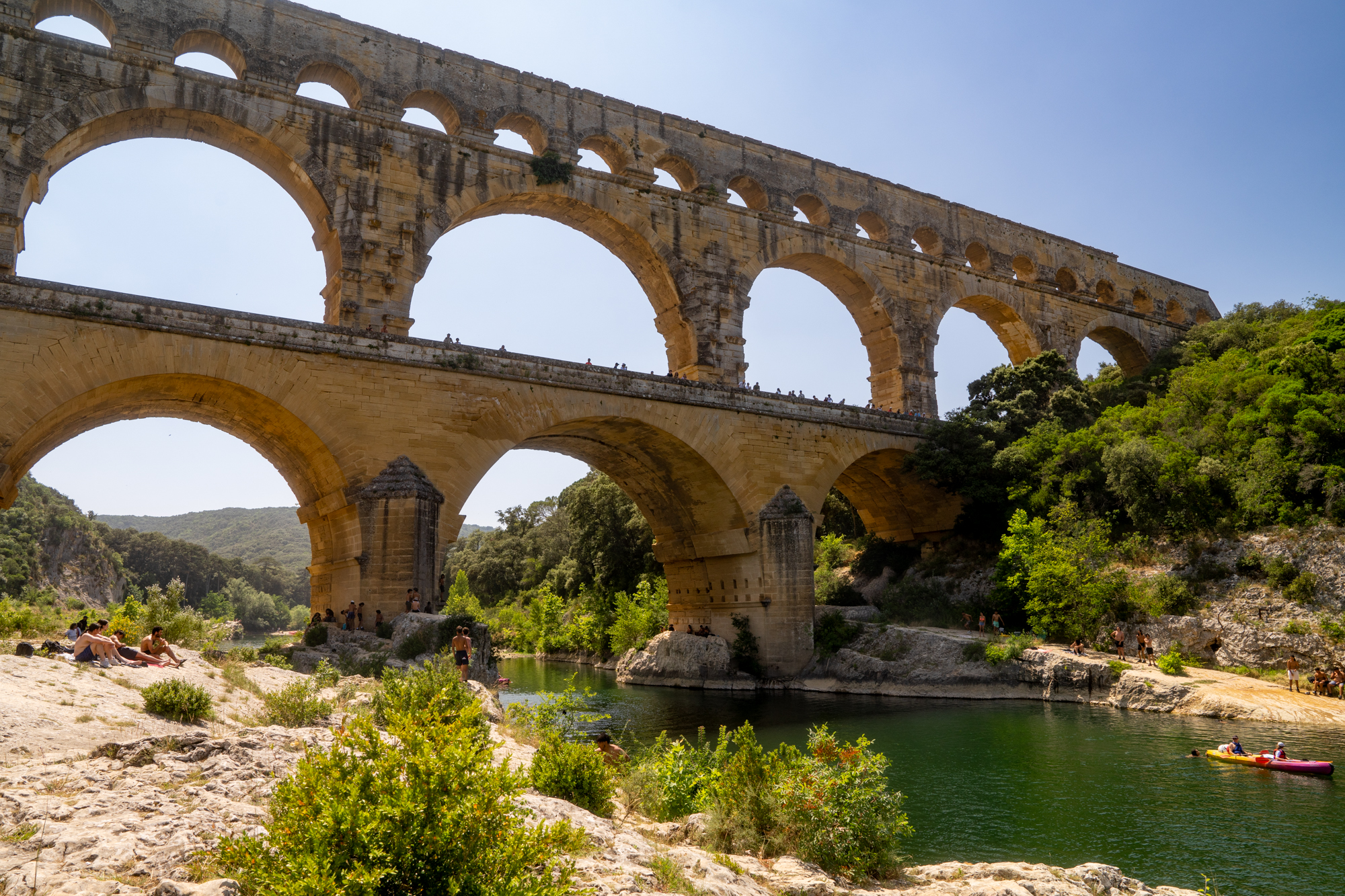
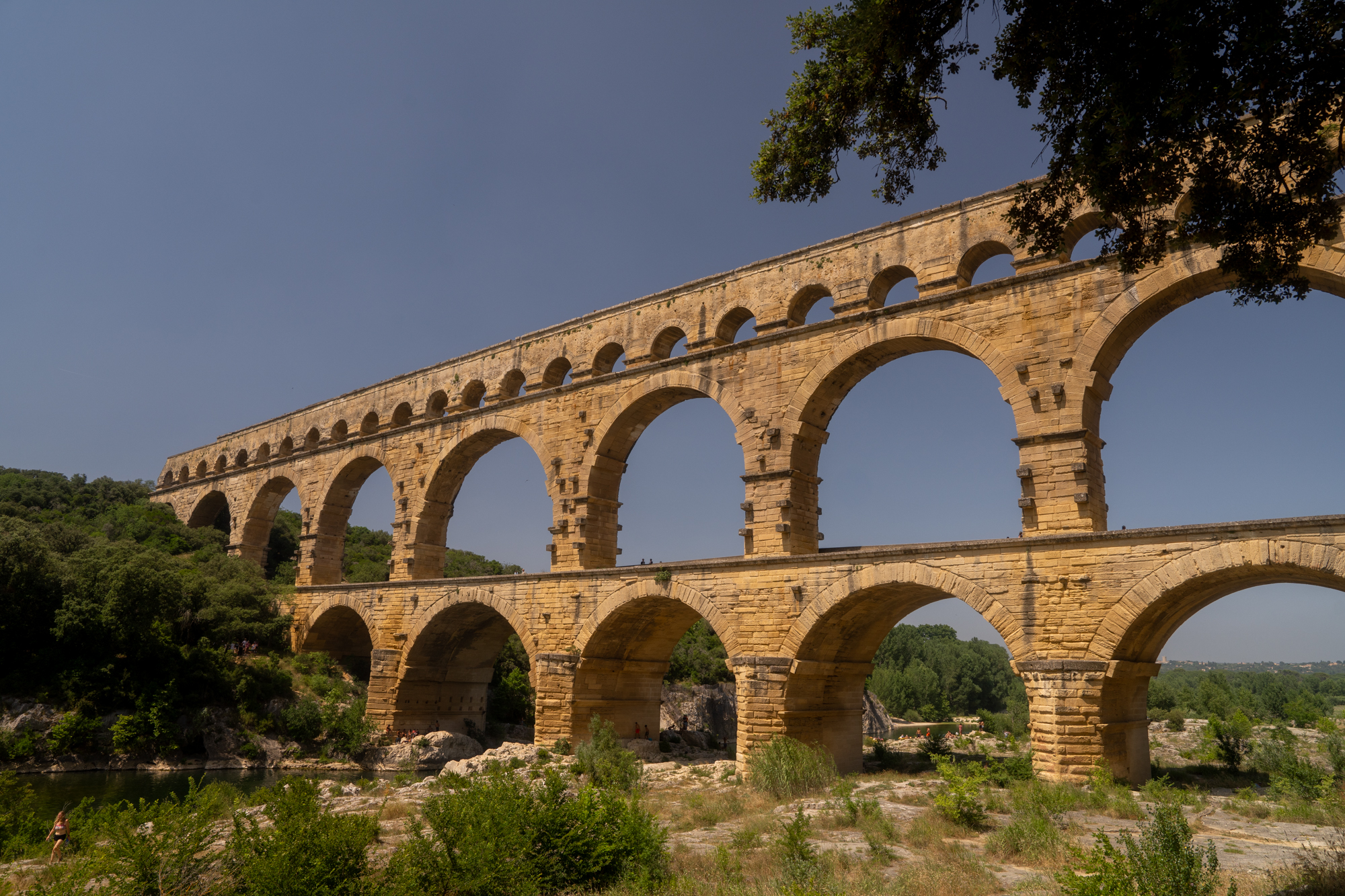
There are few places in France where nature and antiquity come together quite as majestically as they do at the Pont du Gard. Rising from the scrubby banks of the Gardon River, three tiers of limestone arches stretch across the valley, showcasing masterful skill and engineering. Built by the Romans nearly 2,000 years ago, without a drop of mortar, this ancient aqueduct is a place of beauty that stirs the imagination.
Yet the Pont du Gard is more than just something to admire from a distance. It’s a place to stroll across, swim beneath, paddle past, picnic beside, and explore from every angle. Whether you’re a history lover tracing the aqueduct’s Roman past, a photographer chasing golden light through its arches, or a family looking for an unforgettable day out, this UNESCO World Heritage Site offers far more than just a pretty picture.
Here’s everything you need to know to plan the perfect visit – from practical tips and insider insights, to its rich backstory and the best times to experience its magic.
Related Reading: Southern France’s Best Roman Sites
A Brief History of the Pont du Gard
Built in the 1st century, the Pont du Gard was part of a 50km aqueduct system that carried water from the Eure spring in Uzès, to the city of Nîmes (then called Nemausus).
At nearly 50m high, it remains the tallest Roman aqueduct bridge in the world. But it’s not just its size that’s impressive, it’s the precision of its design and construction. Built with some 50,000 tonnes of limestone, each block had to be cut and fitted to ensure it lasted the test of time.
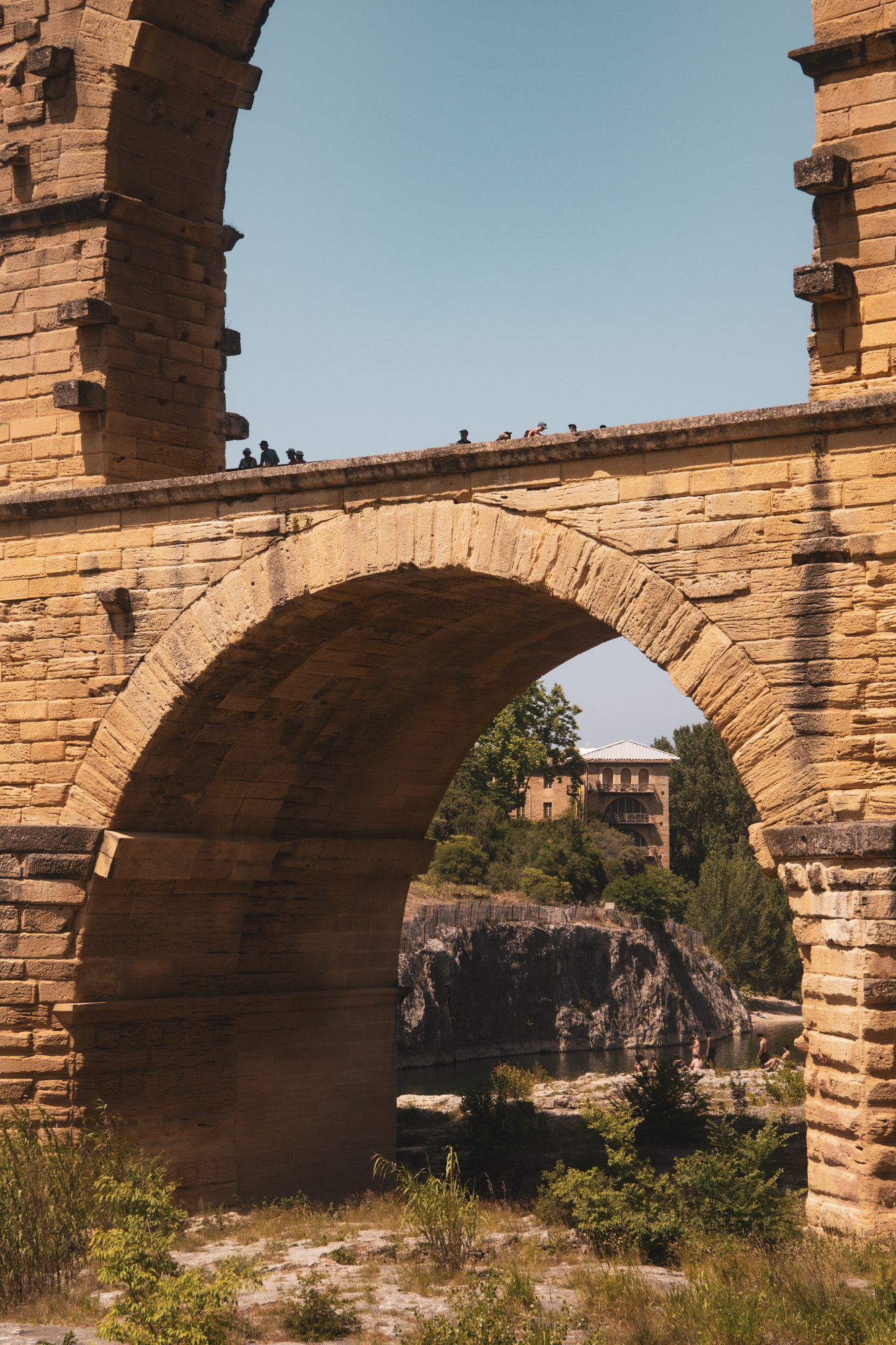
In its heyday, it carried around 40,000 cubic litres of water a day to the residents of Nîmes, and to feed the southern cities’ fountains, baths and gardens. It was gravity, guided by precise engineering, that made this feat possible.
After several centuries, the aqueduct eventually fell out of use, but the bridge remained. It served as a tollgate in the Middle Ages, and as a road bridge from the 18th to the 20th centuries.
It wasn’t until 1985, after being listed as a UNESCO World Heritage Site, that plans for a complete restoration of the area, and adding a cultural facility on-site began to take place.
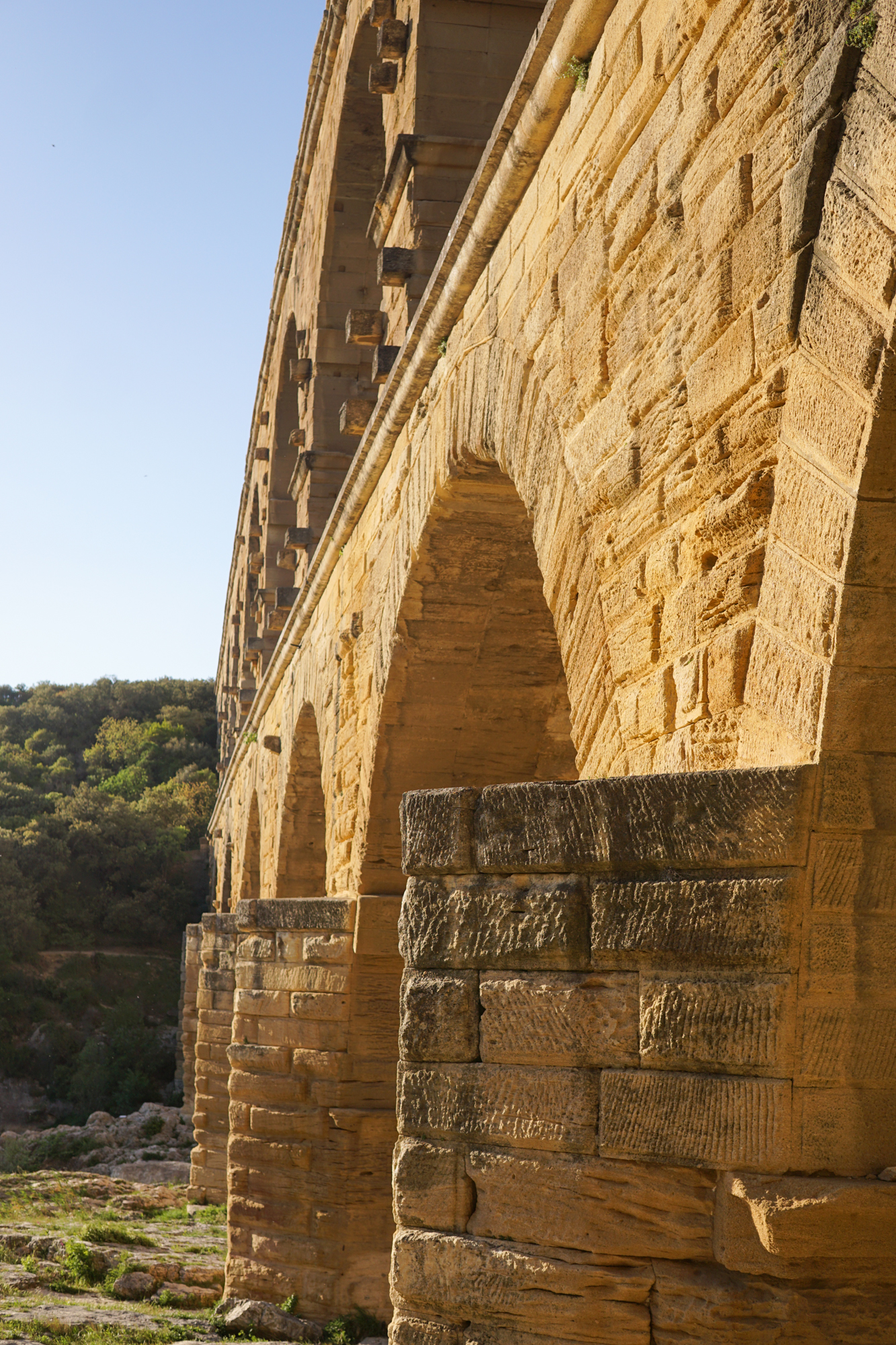
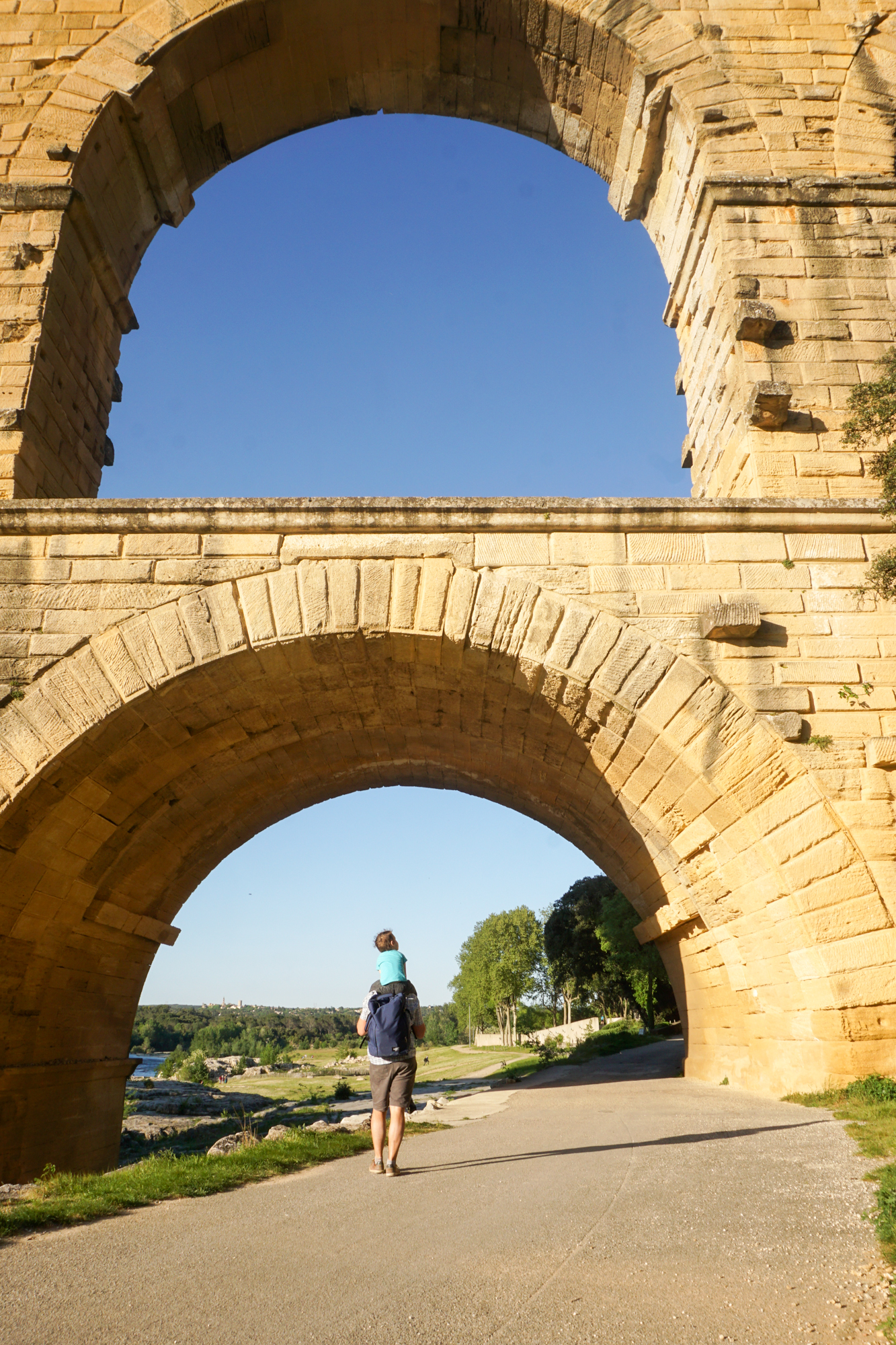
Since 2000, the site of the Pont du Gard has been open to the public, and today it stands as one of the best-preserved monuments of the ancient world.
Things to do at the Pont du Gard
Whether you only have a spare hour or a full day up your sleeve, the Pont du Gard offers far more than a quick selfie spot. The surrounding area is beautifully curated, with a mix of natural beauty, cultural insight, and hands-on discovery that appeals to all ages. Here’s how to make the most of your visit.
Walk Across the Monument
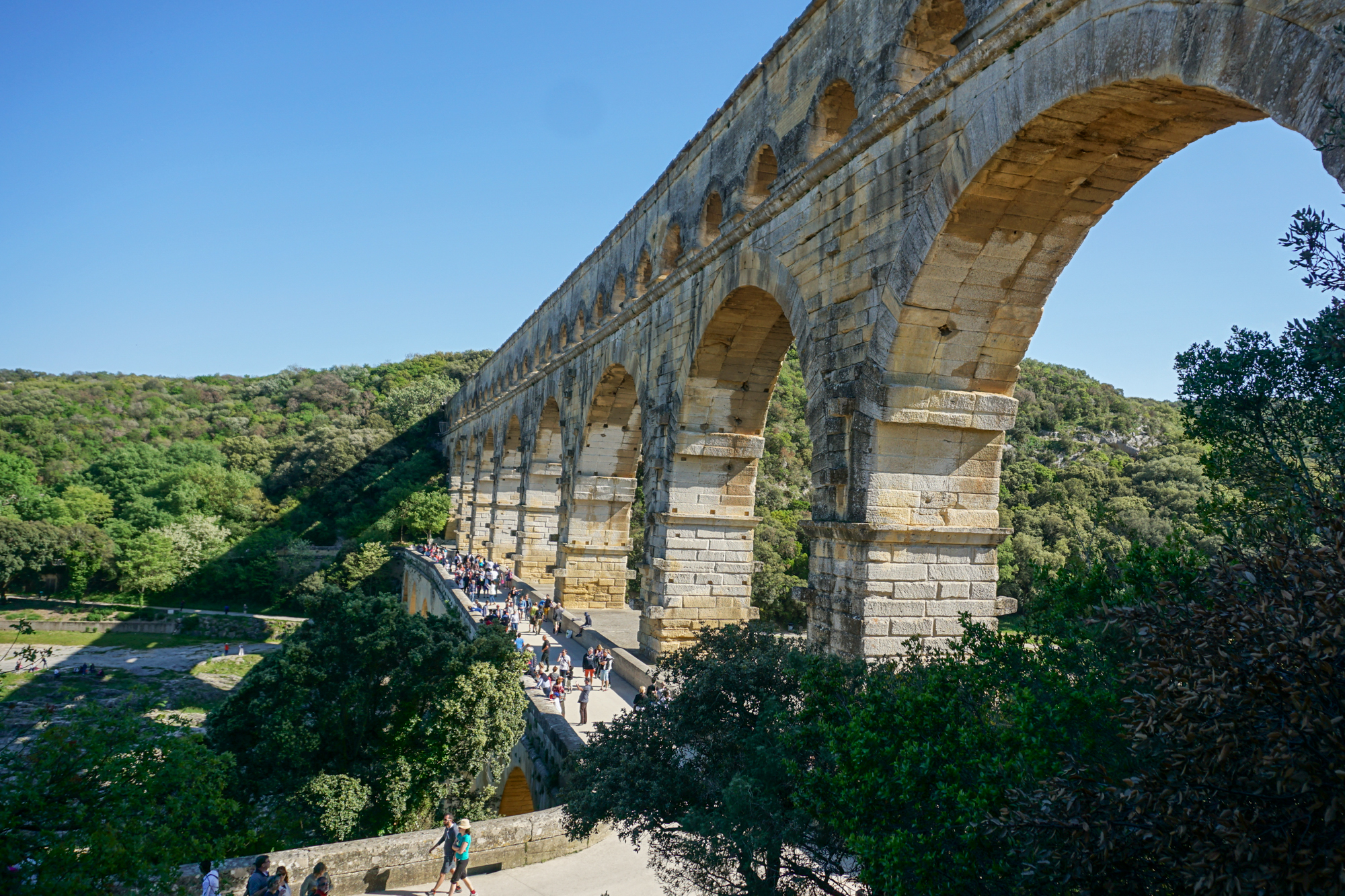
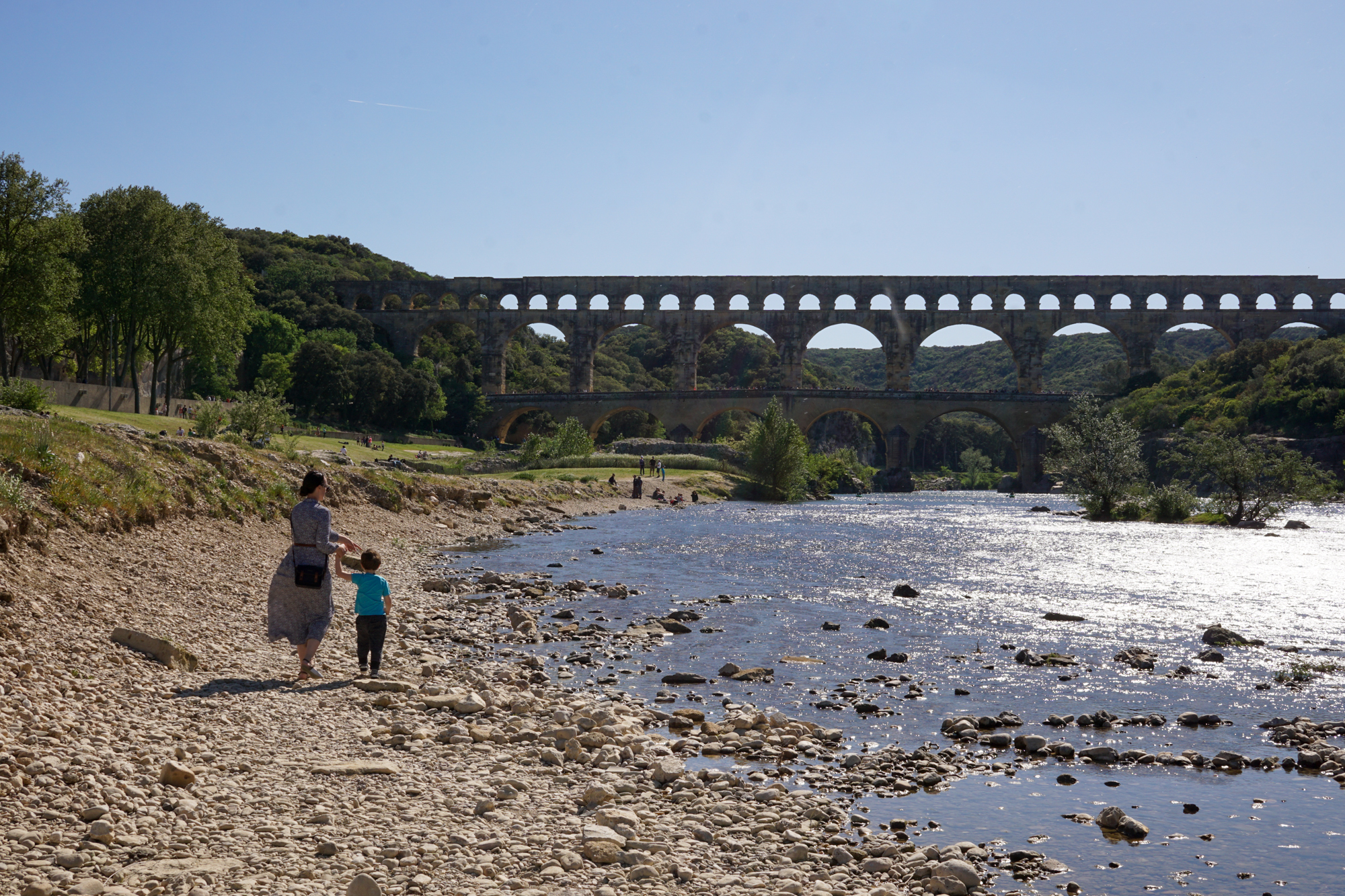
Many visitors choose to start their visit to the Pont du Gard with the simple pleasure of walking across the bridge itself. After entering the site and walking alongside the river, you can freely stroll across the lower tier of the aqueduct. It offers beautiful views of the river below, and you can marvel at the Roman engineering up close.
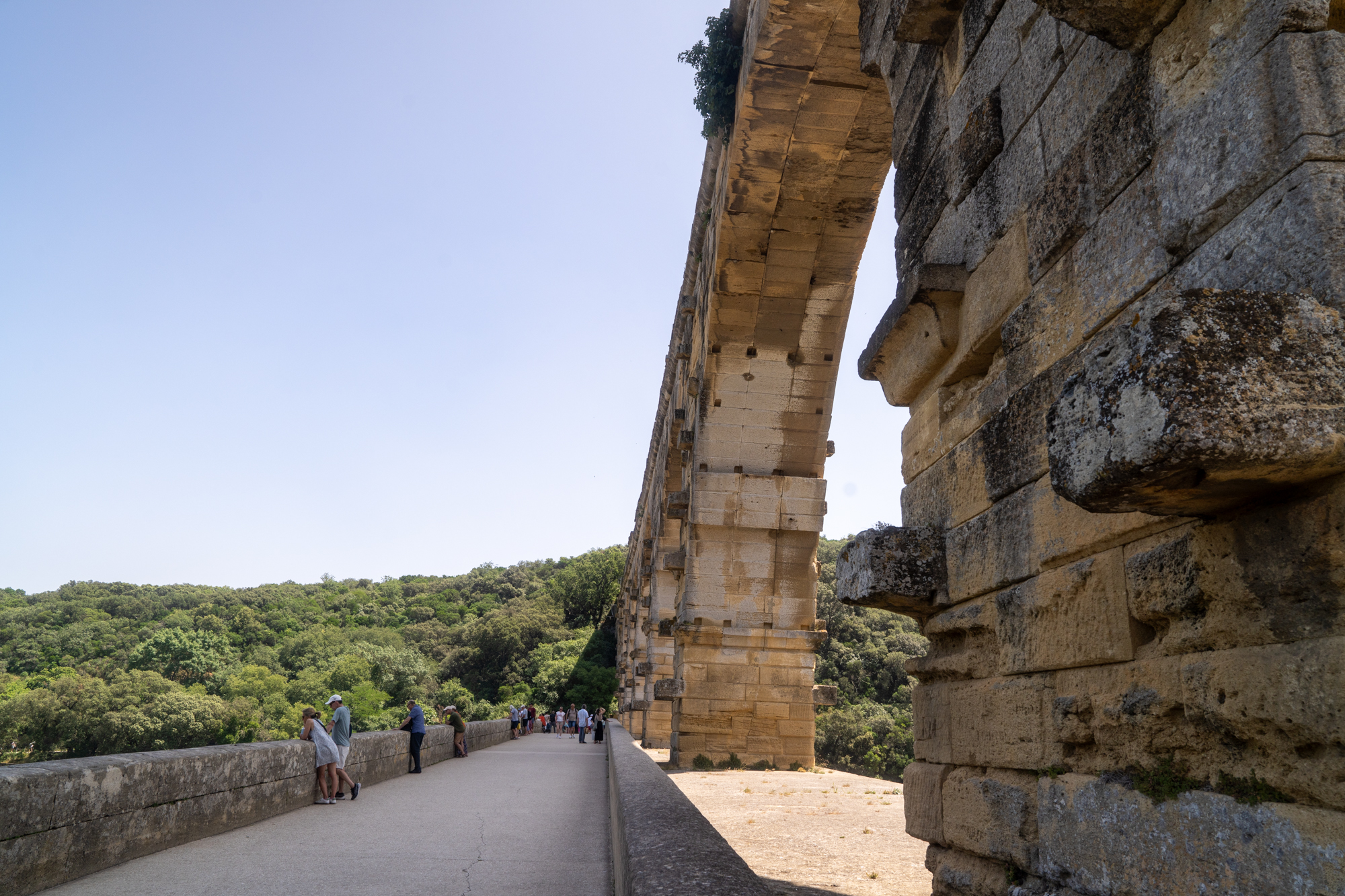
Those wanting a more immersive experience can book a guided tour of the bridge. Only those who have booked a tour are allowed access to the 3rd tier of the bridge, where the water used to flow. You can book this experience directly on the Pont du Gard website.
Visit the Museum
Near the visitors centre on the Rive Gauche (left side of the river), you’ll find the on-site museum. This is a must-see for those interested in how the aqueduct was built and its importance throughout history.

The exhibits are informative, engaging, and interactive, with scale models, ancient tools, videos and hands-on elements that bring Roman engineering to life. The museum also explores the broader context of Roman life at the time of the bridge’s construction, its legacy, and the work that went into the site’s restoration.
Access to the museum is free for children (under 18) and €8 for adults. Your ticket also gains you access to the cinema and kids’ area (Ludo).
Explore the Remains Trail (or go for a Hike)
There are several trails you can take in the vicinity of the Pont du Gard, ranging from a quick half-hour stroll along the river banks to a 4-hour hike along an old railway line. But the most popular option is the Remains Trail.
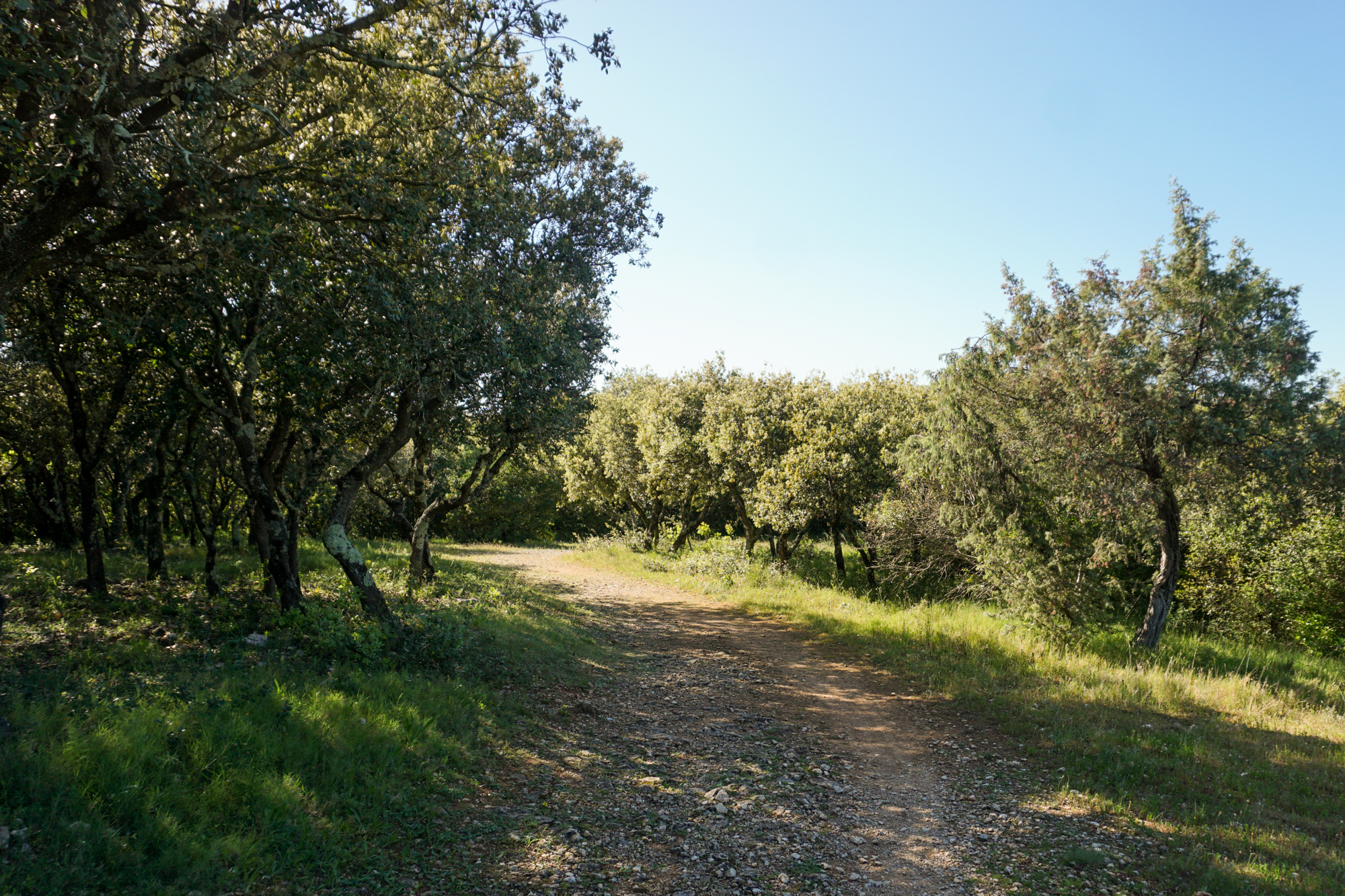
This trail leads you through the fragrant garrigue on both sides of the Gardon River, as it tells the story of the site’s natural and historic setting. Along the way, you’ll find informational panels, archaeological remains, and reconstructed elements of Roman life.
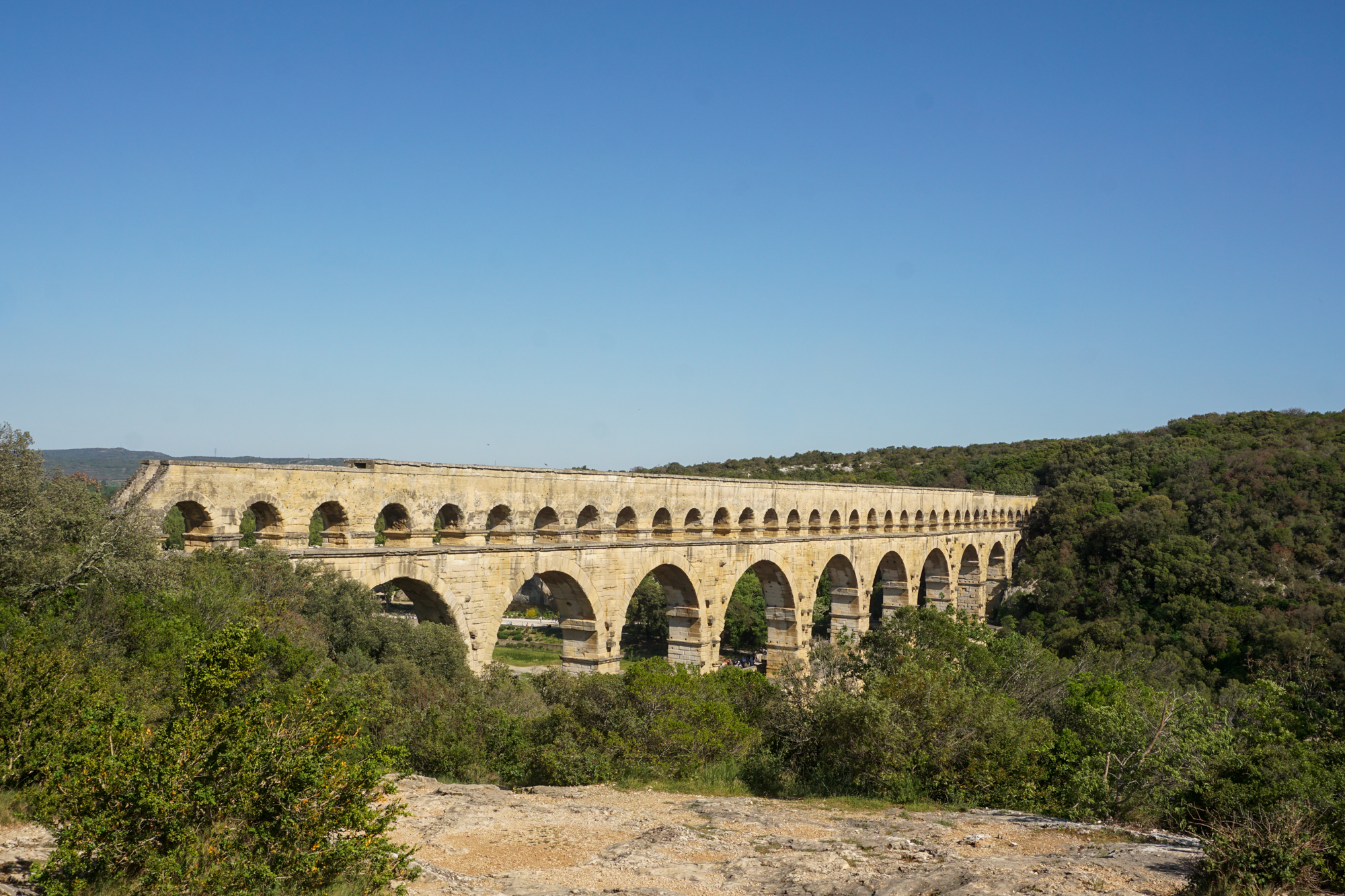
The trail also passes through themed gardens showcasing Mediterranean flora, dry stone walls, and remnants of ancient infrastructure. It’s a peaceful walk, away from the majority of the crowds, and it’s best enjoyed in Autumn-Spring, or in the early hours of a summer’s day.
Swim or Paddle in the River
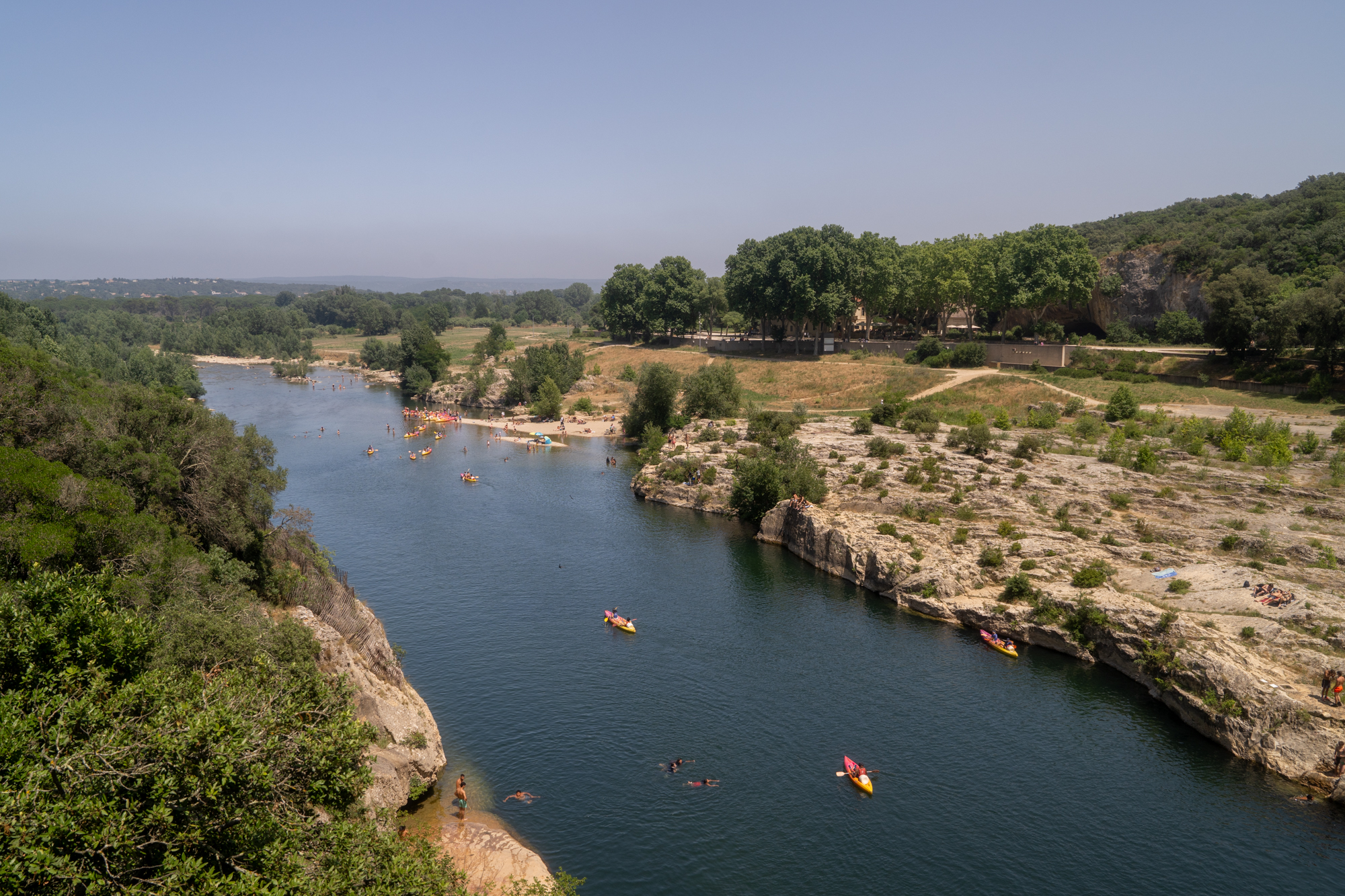
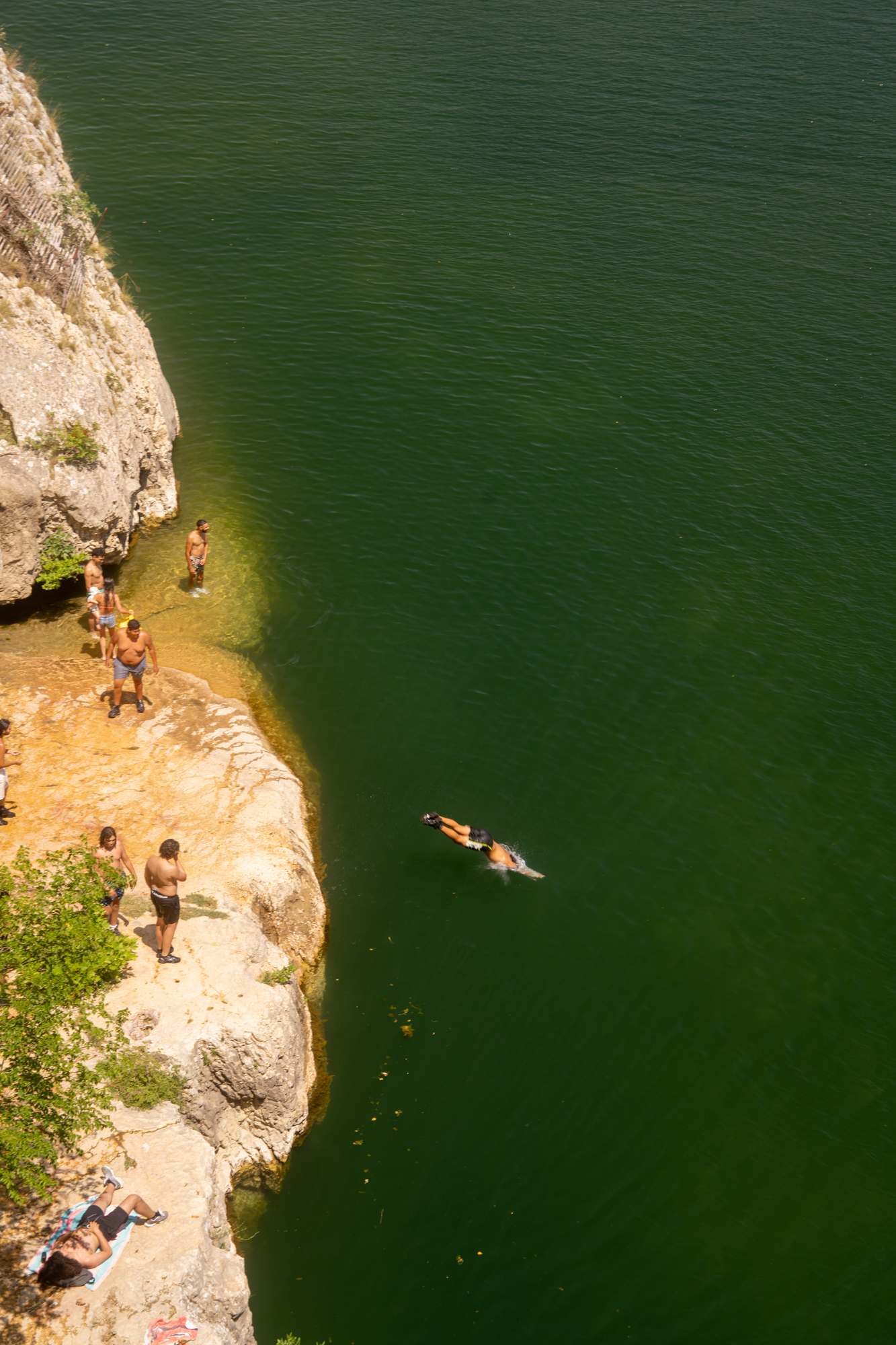
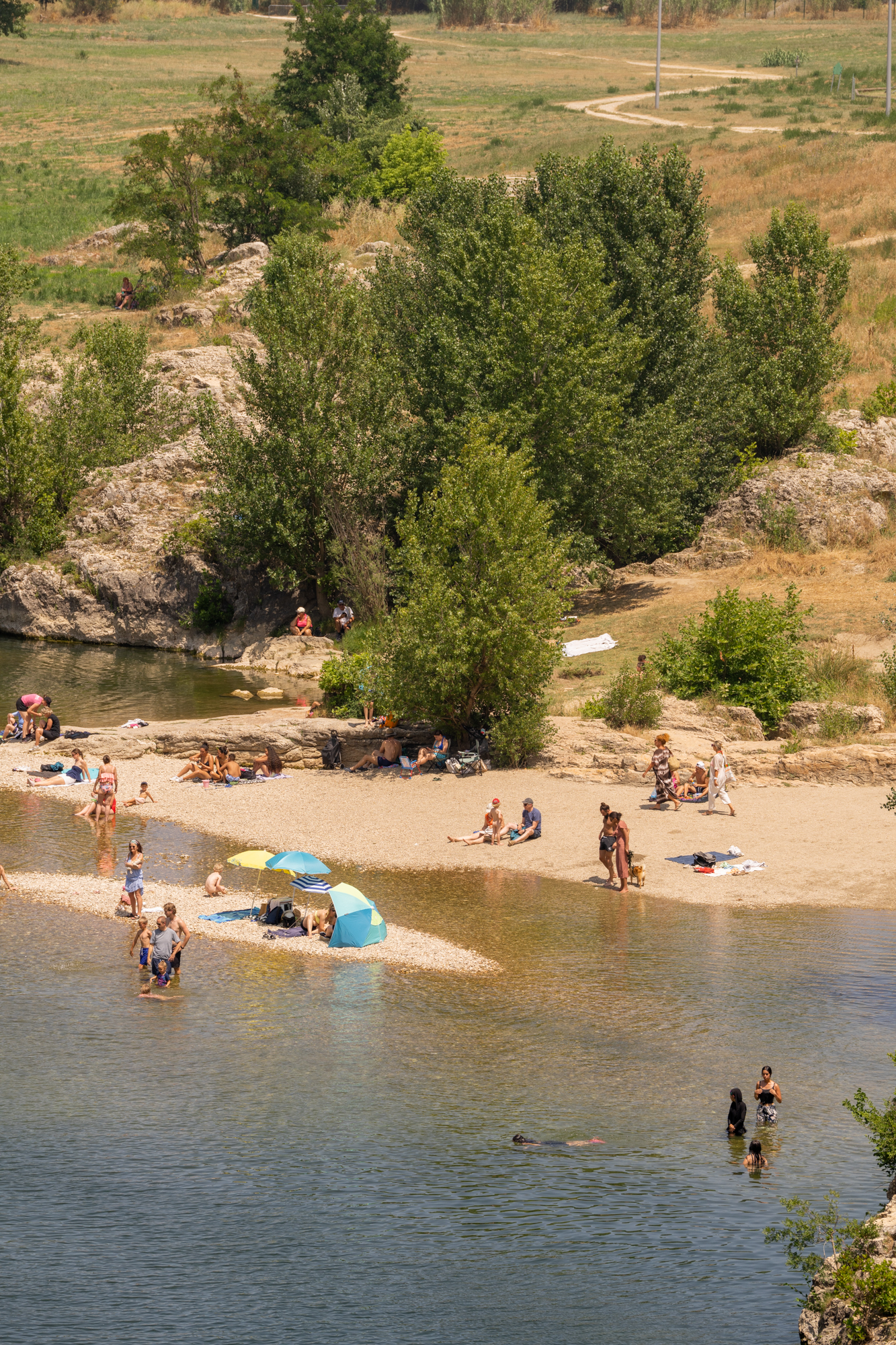
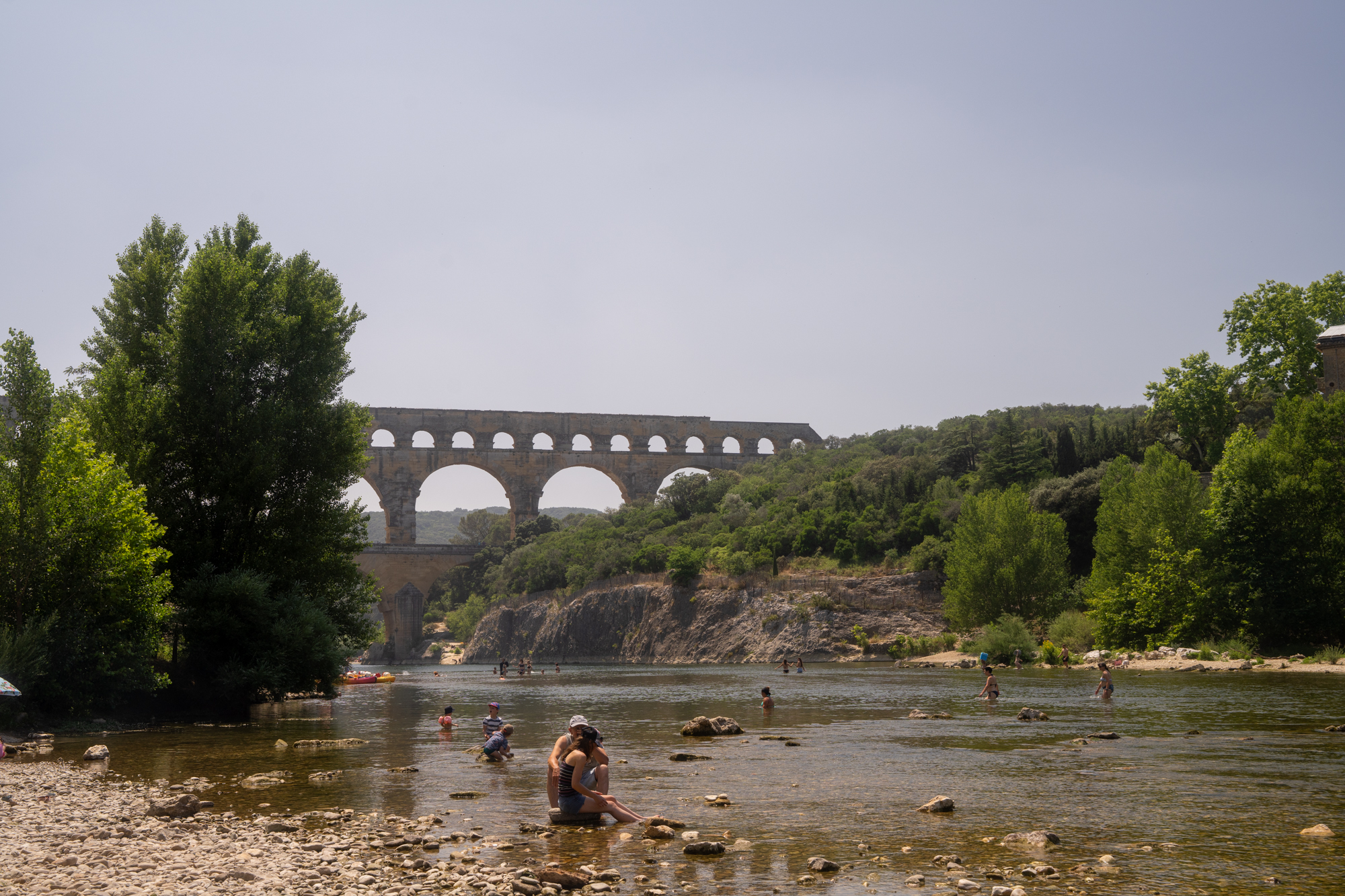
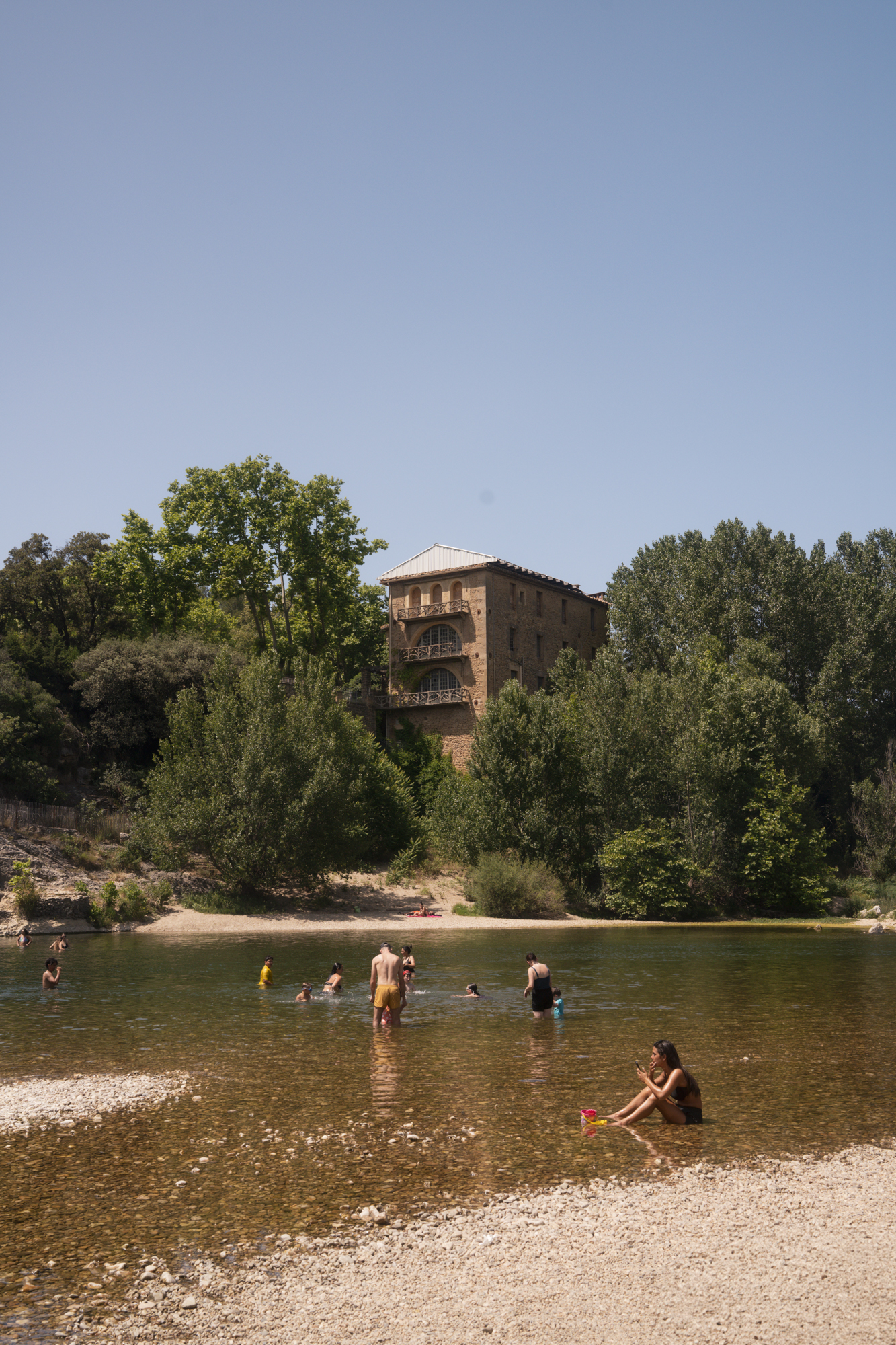
Below the aqueduct, the Gardon River offers a cool relief on hot summer days. The calm, shallow stretches near the pebbled banks are ideal for young children to splash about in, and the deeper areas around the bridge are popular among cliff jumpers.
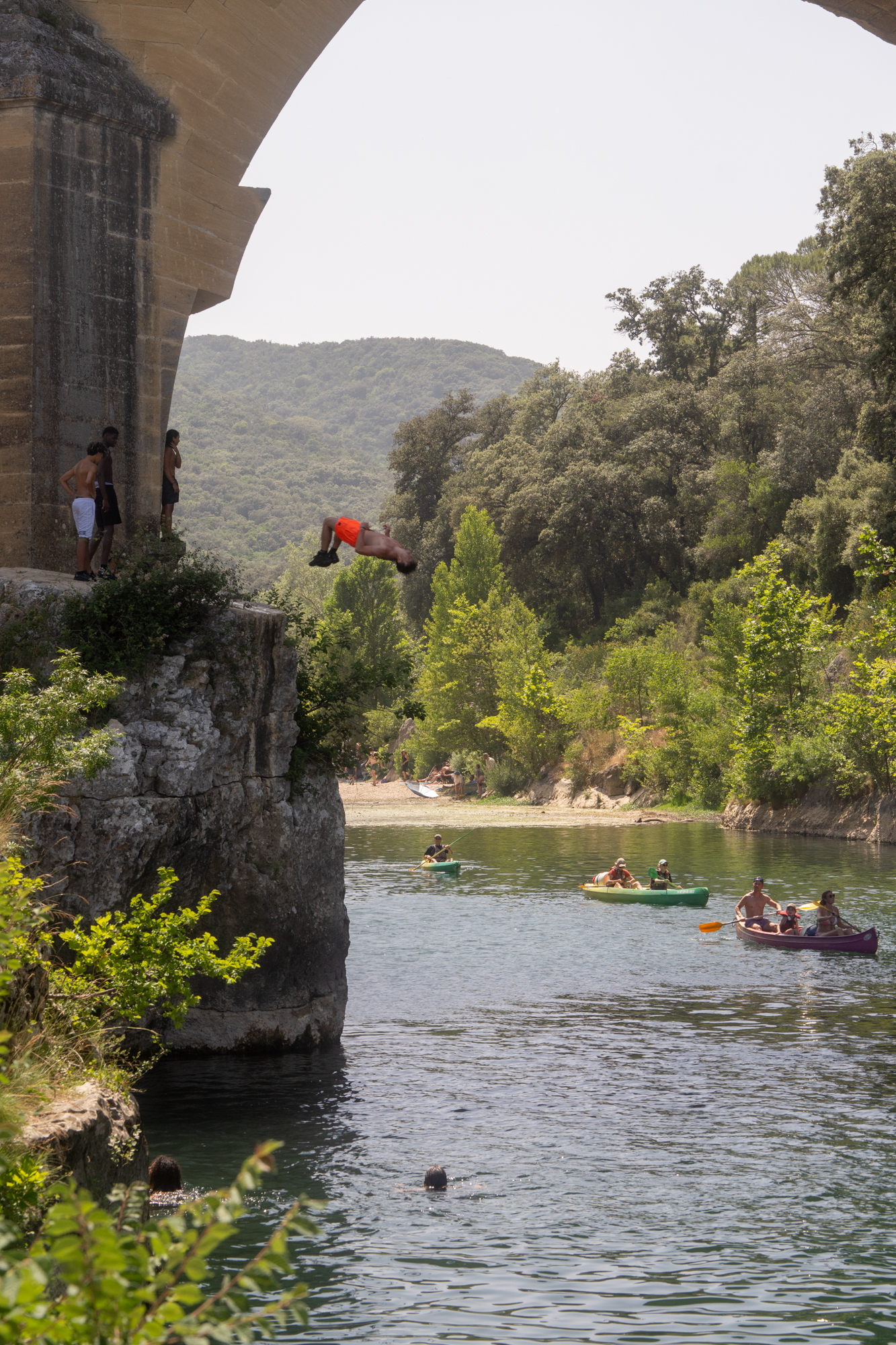
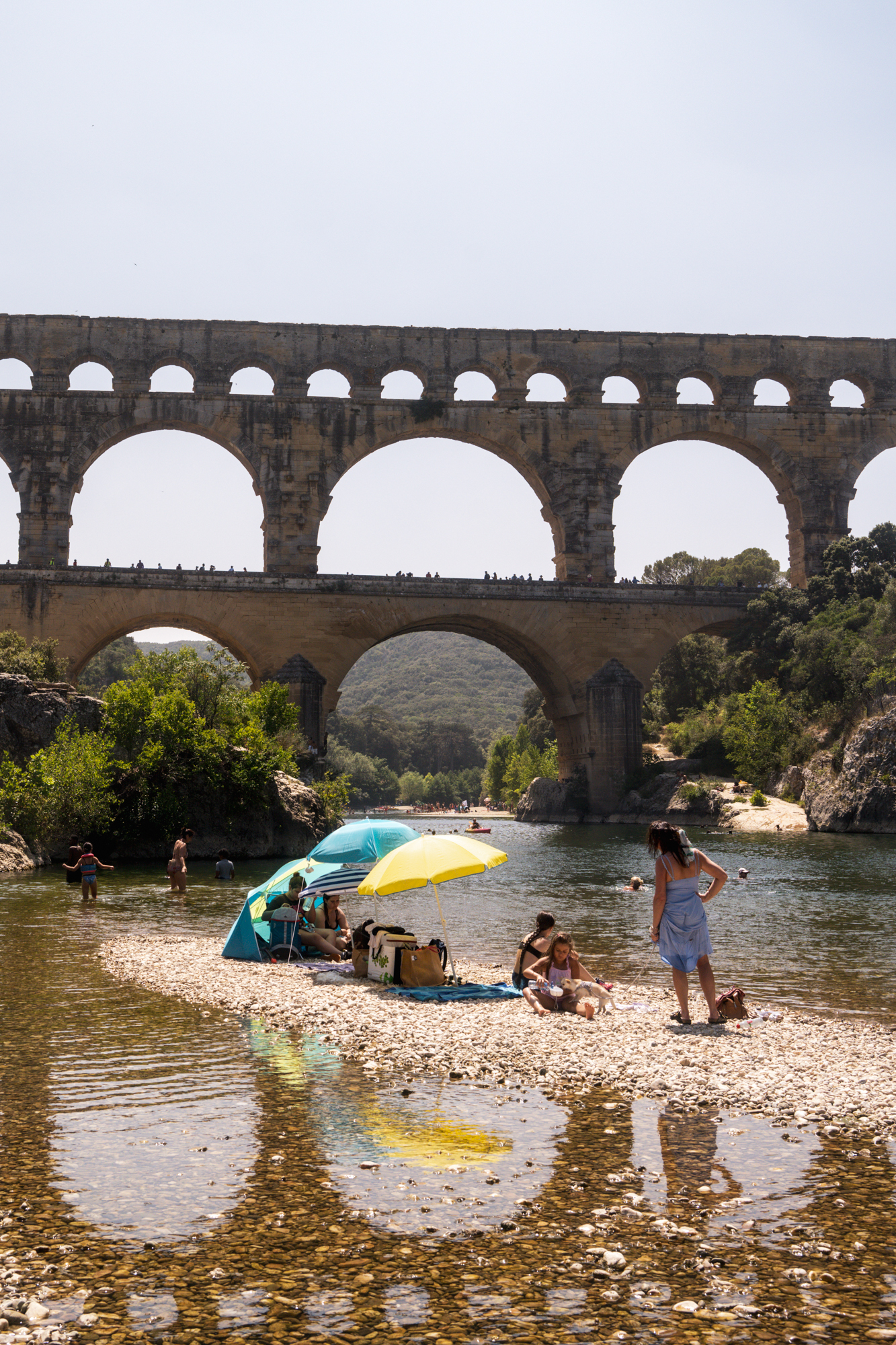
Those looking for a scenic way to enjoy the area might like to rent a kayak and paddle beneath the soaring arches. Several local companies, including Kayak Vert, offer half-day excursions starting upstream. This allows you to glide down the river and get picked up at the other end.
Picnic or Dine
One of the best places to dine outdoors in Provence, the banks of the river offer a beautiful backdrop for a picnic. Bring your basket and blanket, and pick a spot near a shady tree, or by the water to enjoy your feast. Forget to pack a picnic? Don’t worry, as there’s an on-site cafe for sandwiches and ice cream.
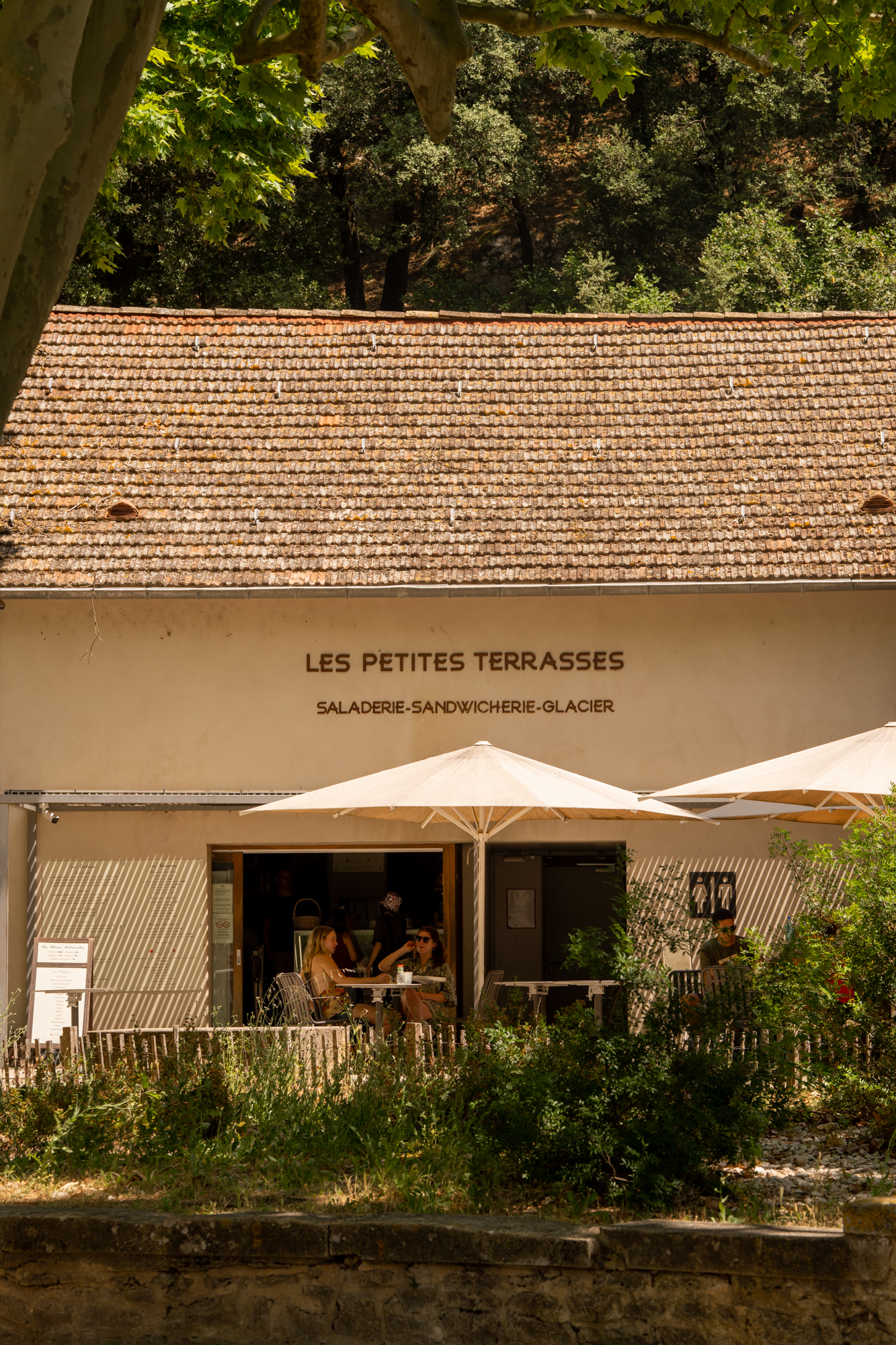
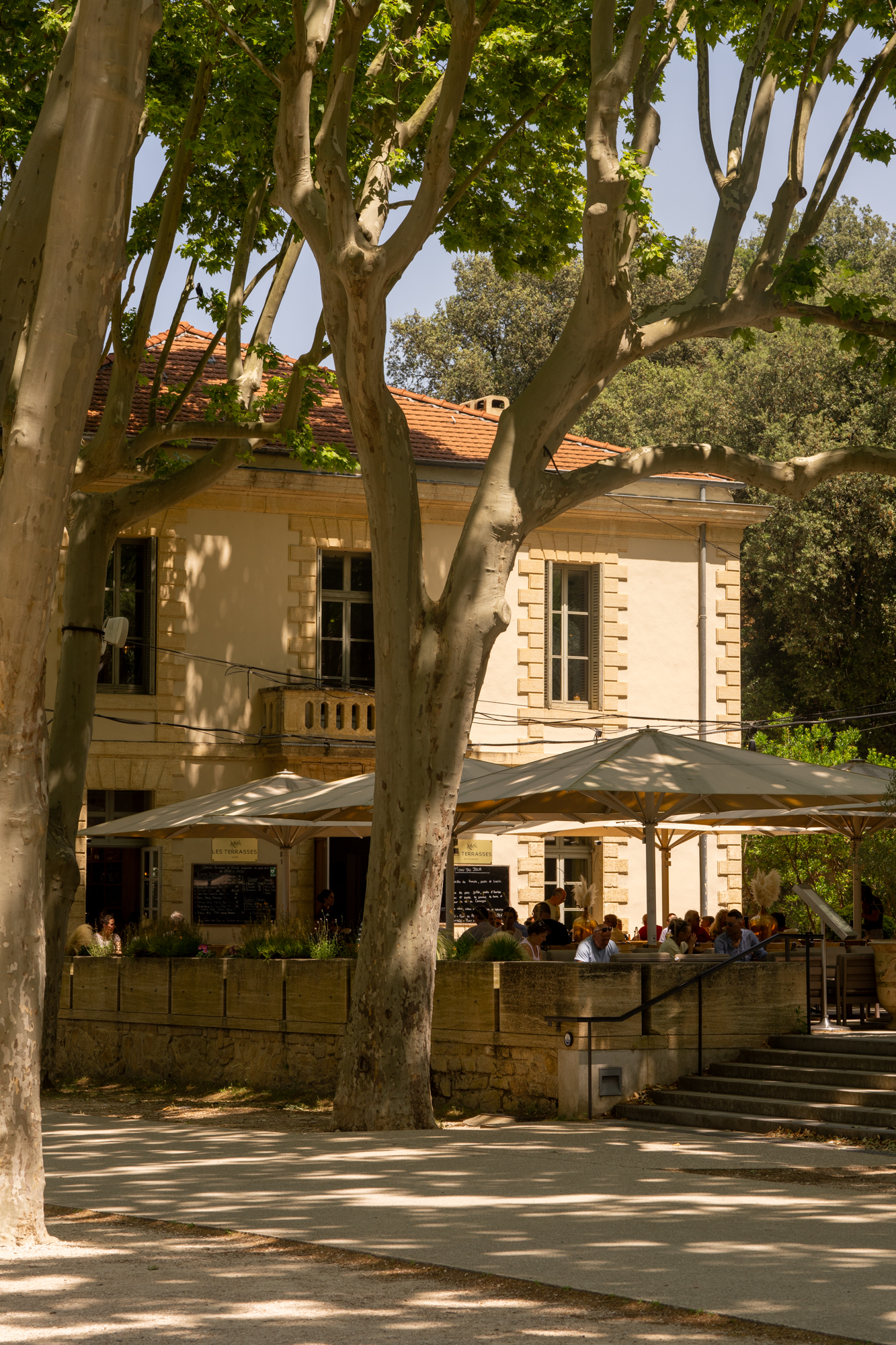
If you prefer to dine at a restaurant, you’re also in luck. Les Terrasses is tucked beside the river banks, with a view of the Pont, and offers an elegant setting for lunch or dinner. It’s recommended to book in advance if visiting in the summer months.
Events and Night Shows
The Pont du Gard plays host to several events throughout the year, including markets, wine festivals, concerts and outdoor cinema. But my favourite event takes place every evening in the summer, and it’s completely free to attend!
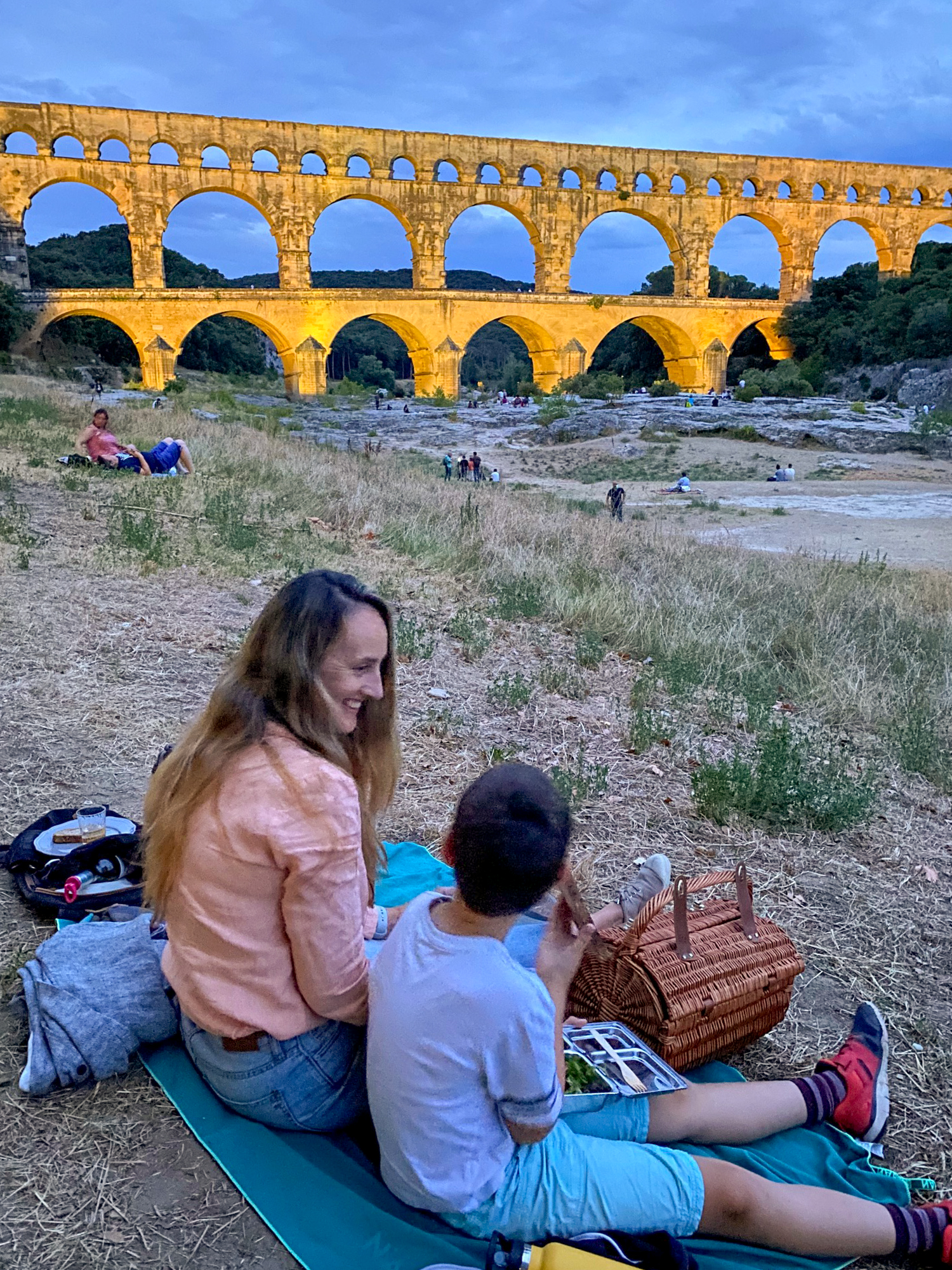
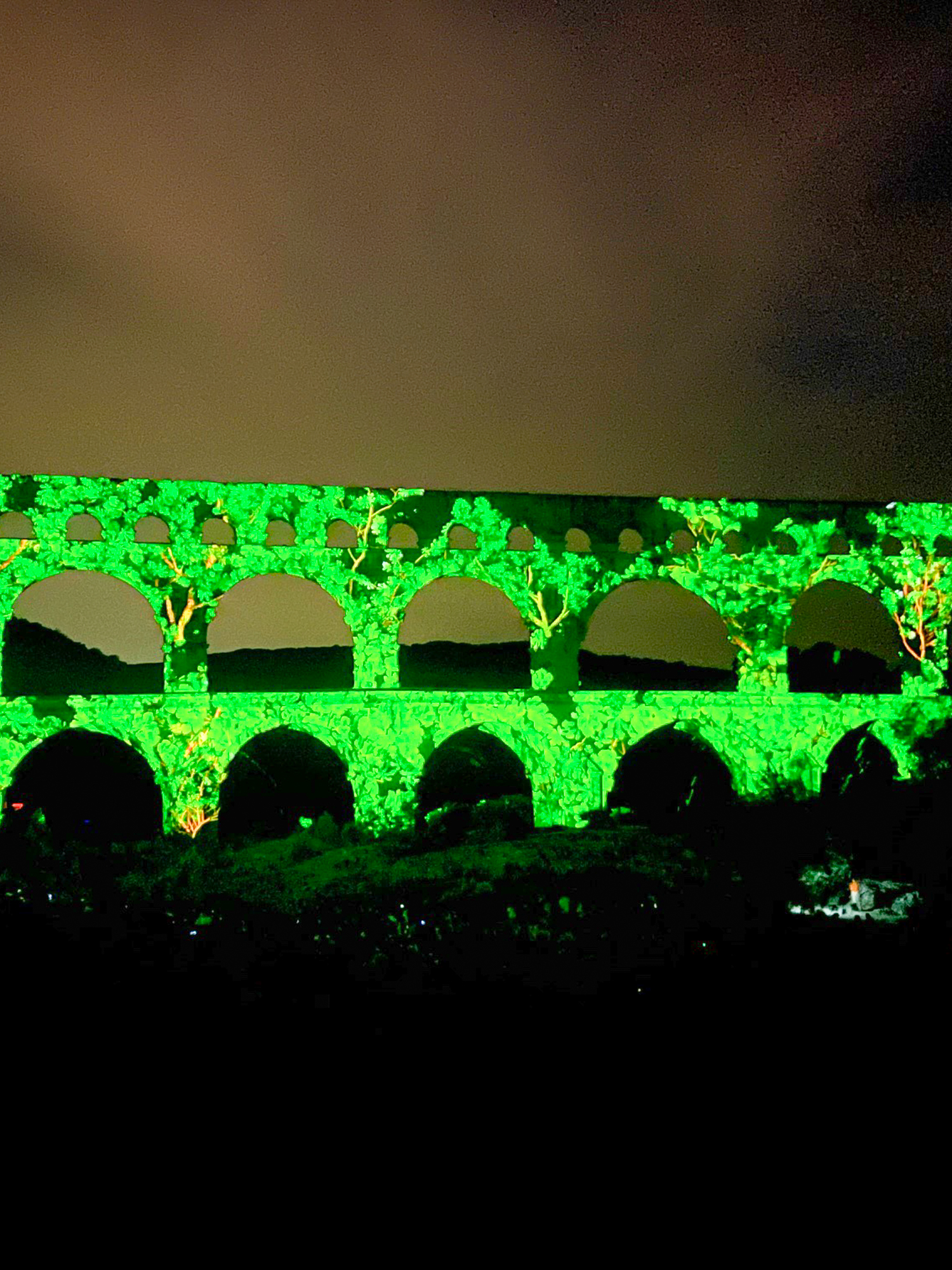
The Belles Soirées d’été (beautiful summer evenings) involves a sound and light show that transforms the aqueduct into a canvas of colour, movement and story. The theme changes each year – we’ve witnessed everything from futuristic displays accompanied by drones, to the biological history of the Gardon River.
Get there early enough to secure a good spot on the banks, and bring a picnic as you wait for darkness to fall.
Practical Tips for Your Visit
To make the most of your time at the Pont du Gard, a little planning can go a long way. Here are some essential tips to help your visit run smoothly.
Entry & Tickets
Access to the site is technically free, although you will pay for parking (more on that below) – making it a cheap day trip for families or friends travelling together.
If you want to take advantage of the cultural areas – museum, cinema, and kids area – you will need to pay €8 per adult (free for kids). Guided tours also come with an additional fee, and should be booked online in advance of your visit.
Parking & Access
There are two large car parks, on either side of the river – Rive Gauche (left bank) and Rive Droite (right bank). Both car parks have a set fee of €9 – regardless of how long you stay. This may seem steep at first glance, but as the site is free to visit, I think it’s very reasonable.
Do keep in mind the car park opening times of 8 am – midnight, with a fixed fee payable if you don’t leave the car park before closing time.
If you want to arrive at the side of the visitors centre, park at Rive Gauche. Alternatively, to be closer to the restaurant and swimming areas, park at Rive Droite.
You can also get to the Pont du Gard by bus from Nîmes and Avignon, on foot, or by bike.
What to Bring
Comfortable walking shoes are a must if you want to explore the area at length. And don’t forget your hat and sunscreen when the sun is shining.
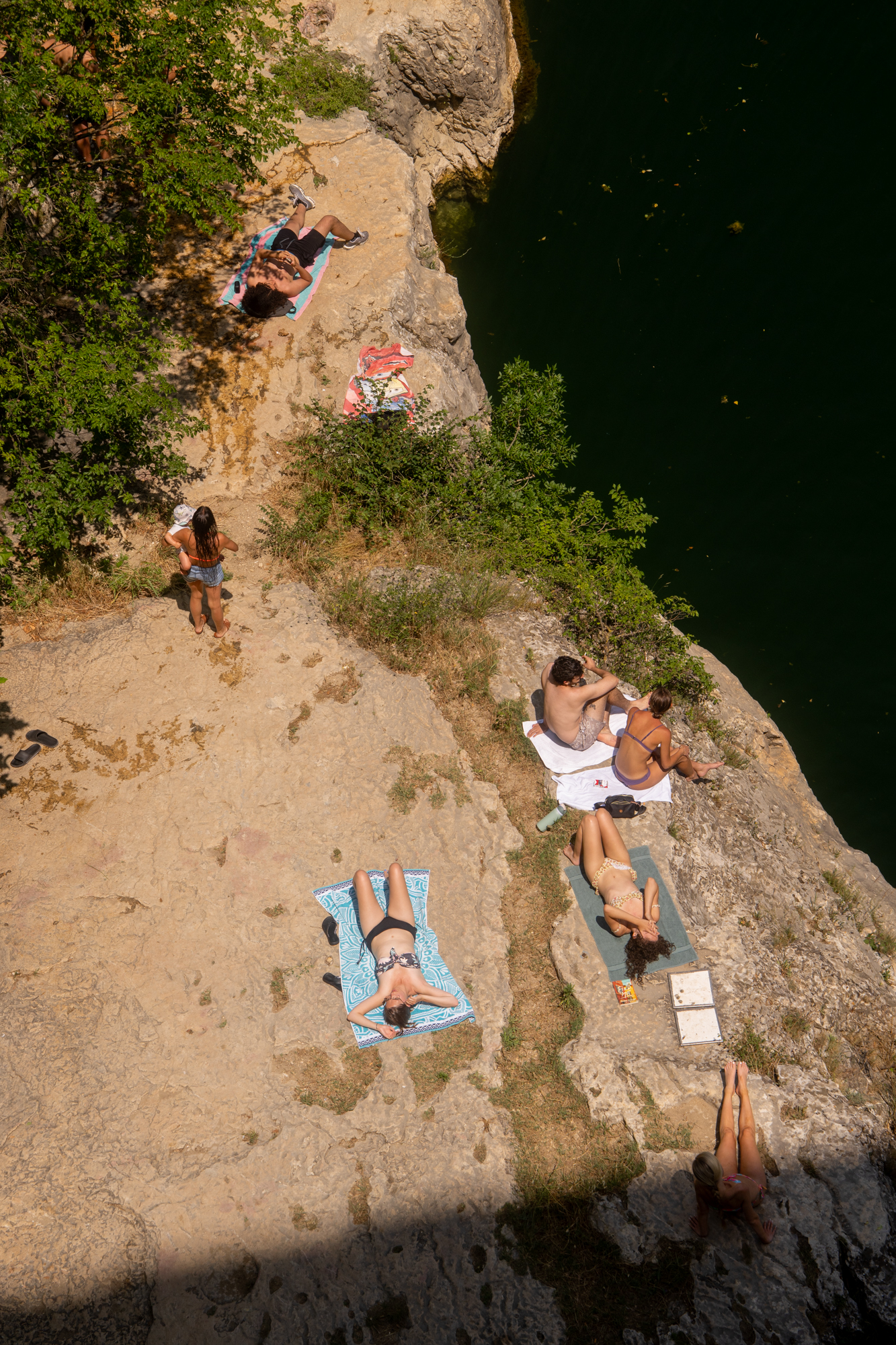
In summer, it’s a good idea to bring an umbrella if you plan on lingering by the river banks, and a picnic blanket or beach seat will add to your comfort. And don’t forget your camera! The area is infinitely inspiring, and you’ll want a few good shots to remember your time at this famous French landmark.
Facilities and Accessibility
Toilets, drinking fountains, cafes and shaded rest areas are available throughout the site for your comfort. There are also picnic areas and gift shops selling regional products and souvenirs.
The main areas of the site are wheelchair-friendly, including the museum, visitor centre and main level of the aqueduct. Accessible parking and toilets are also available.
Dogs
Dogs are allowed in the outdoor areas, so long as they’re kept on a leash.
Nearby Places of Interest
If you’re staying nearby in Avignon or Nimes, here are a couple of other day trip ideas near the Pont du Gard. You can easily fit these into the same-day trip if you plan your time wisely.
Uzès
Just a 20-minute drive from the Pont du Gard, Uzés is a charming town that feels lost in time. Known for its pale stone buildings, elegant arcades and one of the best markets in the region, it’s as lively as it is picturesque.
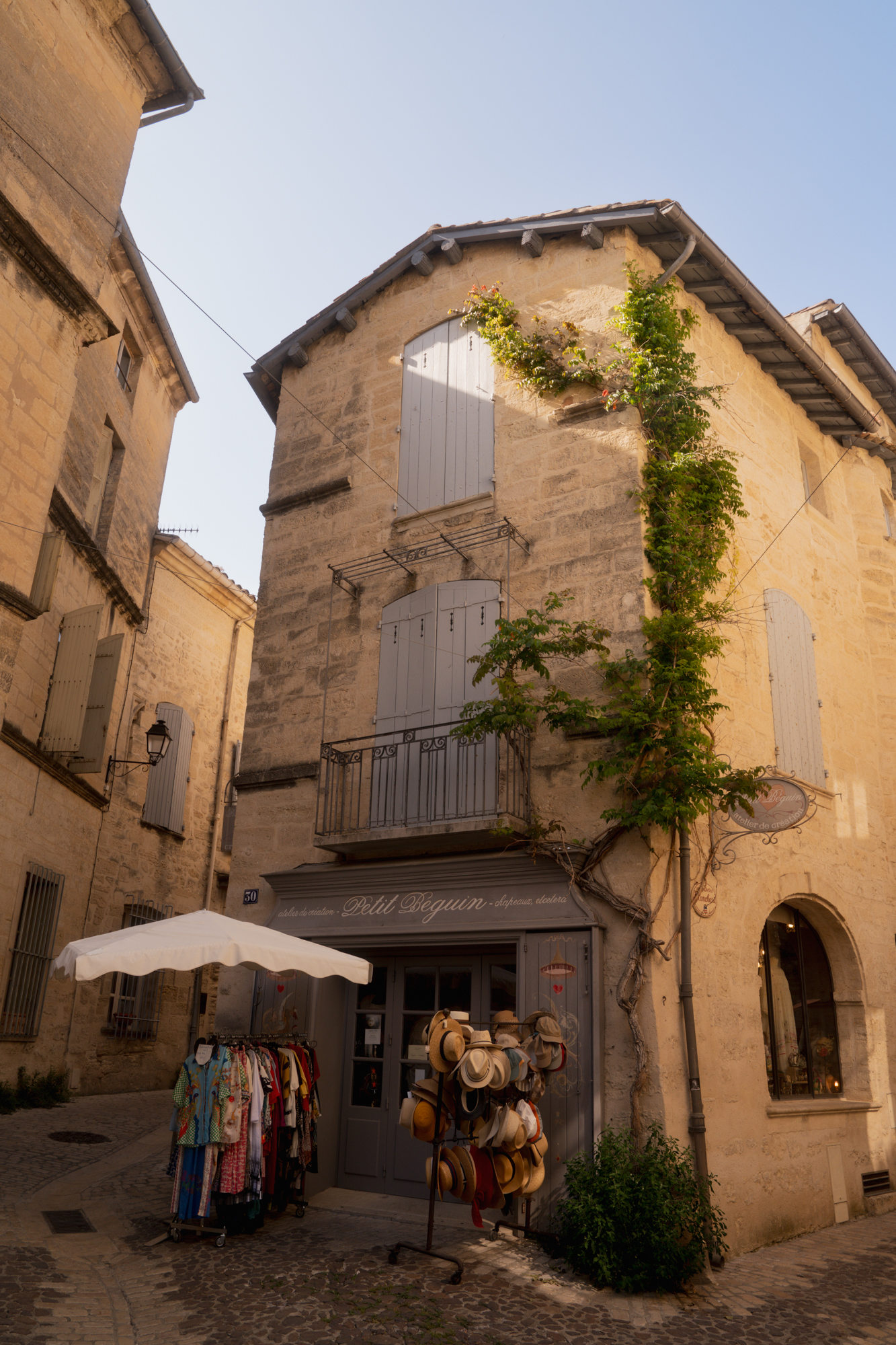
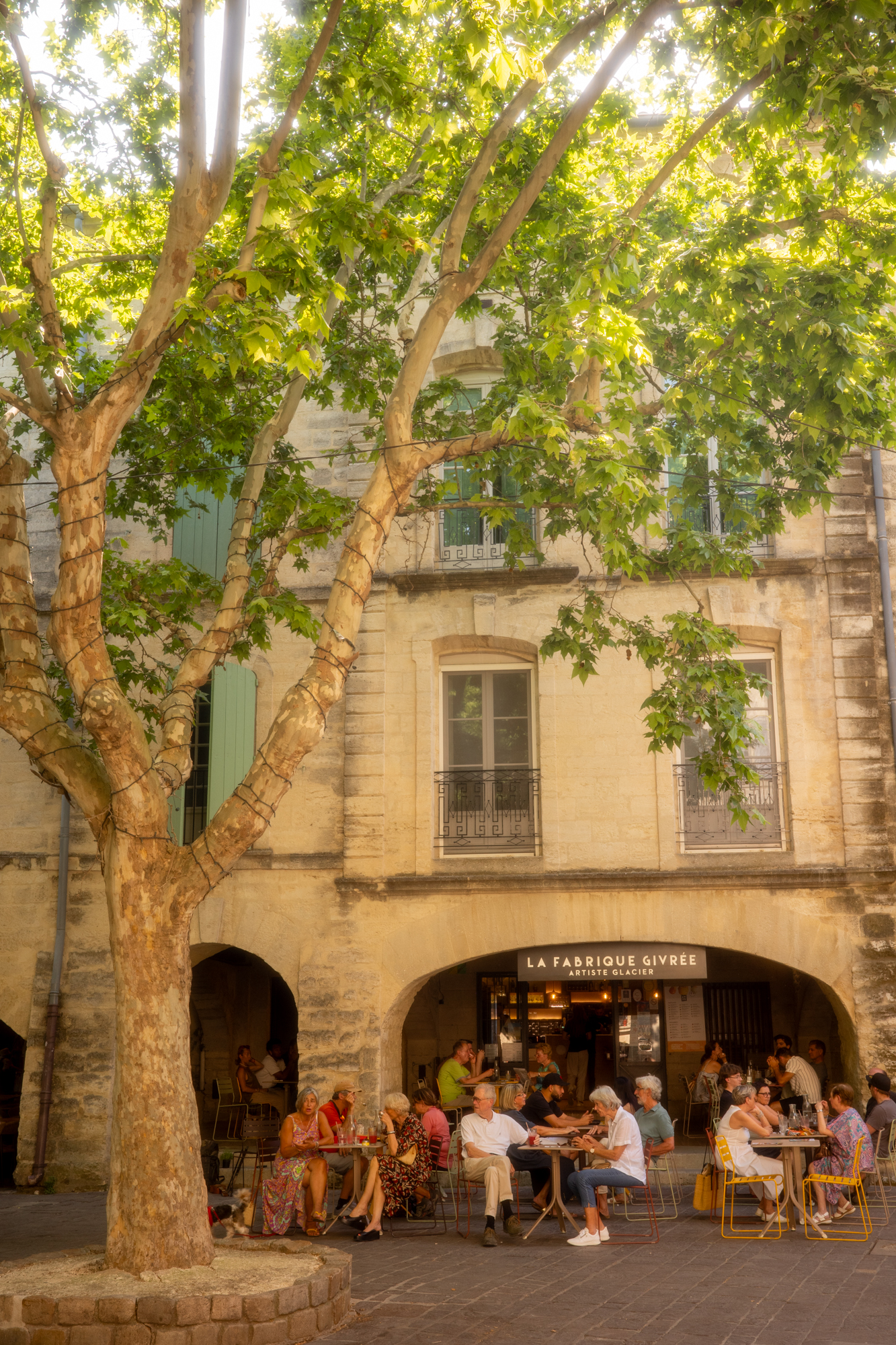
The town features many medieval highlights, including the Duchy (Château Ducal) and the Fenestrelle Tower. But beyond its landmarks, it’s just a thoroughly enjoyable town to take a wander in. The boutiques are varied and authentic, and there are plenty of cafes and wine bars to people-watch over a glass of rosé.
Saint-Quentin-la-Poterie
A short drive from Uzès, the village of Saint-Quentin-la-Poterie is a village with one distinctive difference – and there’s a clue in the name… Yes, this tiny town is known as the ceramics capital, with over 20 ceramics workshops residing here.
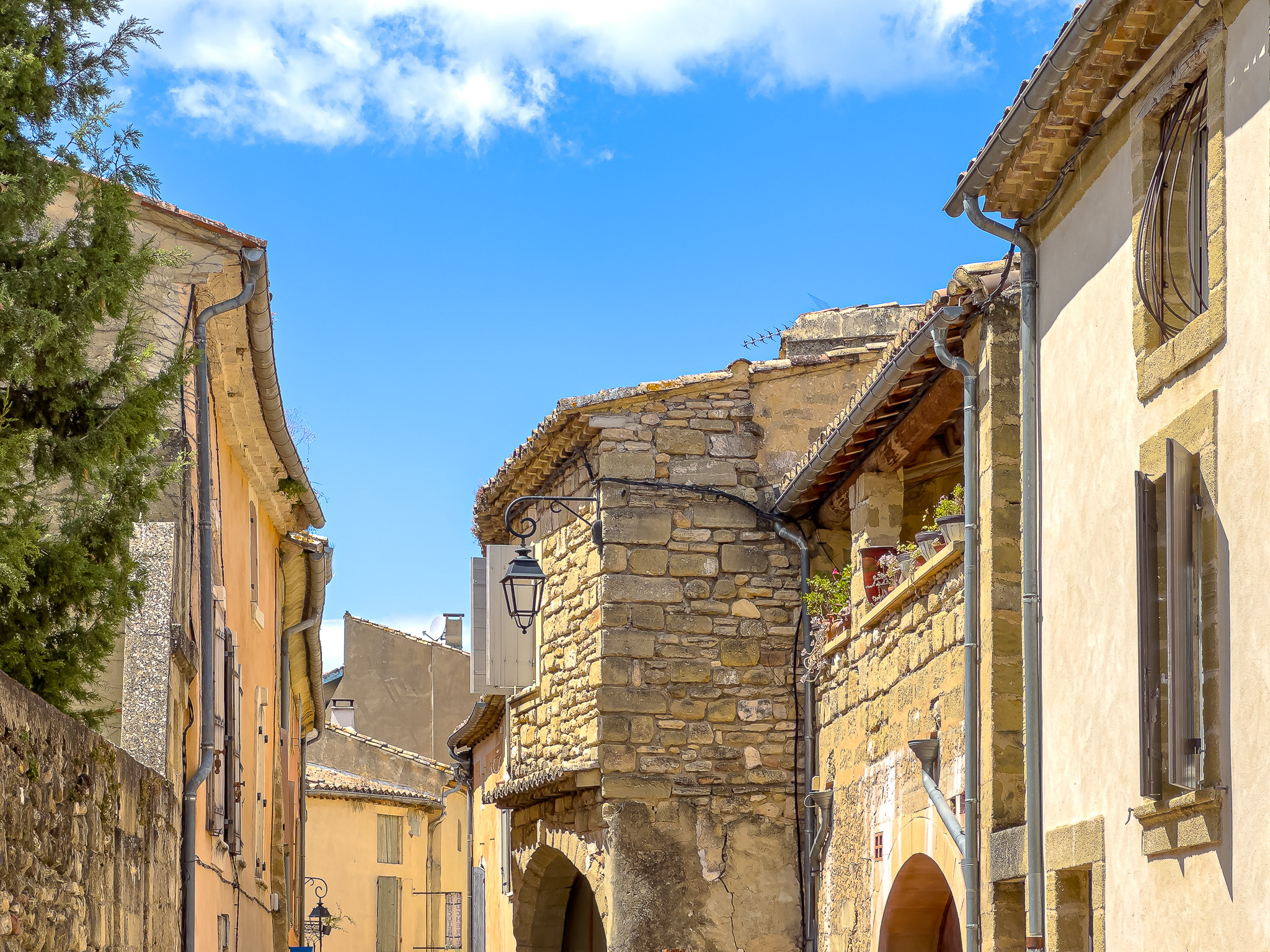
Wander its narrow lanes, pop into the ateliers, and perhaps choose a unique souvenir to take back home. The village also hosts an annual ceramics festival (held in July), drawing artists and visitors from around Europe.
The Pont du Gard isn’t just a monument – it’s a link between the old world and the new, where ancient engineering meets modern-day Provencal life. Whether you come to marvel at its sheer size and grandeur, to swim beneath its arches, to take a hike, or to enjoy a sound & light show.. It’s an experience you’ll treasure for years to come.