10 Quirky Festivals in the South of France Worth Discovering
Looking to inject a little flavour and local folklore into your South of France itinerary? Skip the usual tourist trail and dive headfirst into some of the region’s most wonderfully eccentric festivals. From fêtes celebrating the humble chickpea, to floating markets and water jousting – the French know how to celebrate tradition!
Whether you’re a foodie, a history buff, or just someone who loves a good party, these quirky markets and delightfully bizarre events give visitors the opportunity to experience a different side of the South of France. So why not see if you can add one or more of these unusual celebrations to your travel plans?
Fête de la Courge
Rognes, Bouches-du-Rhône – October/November
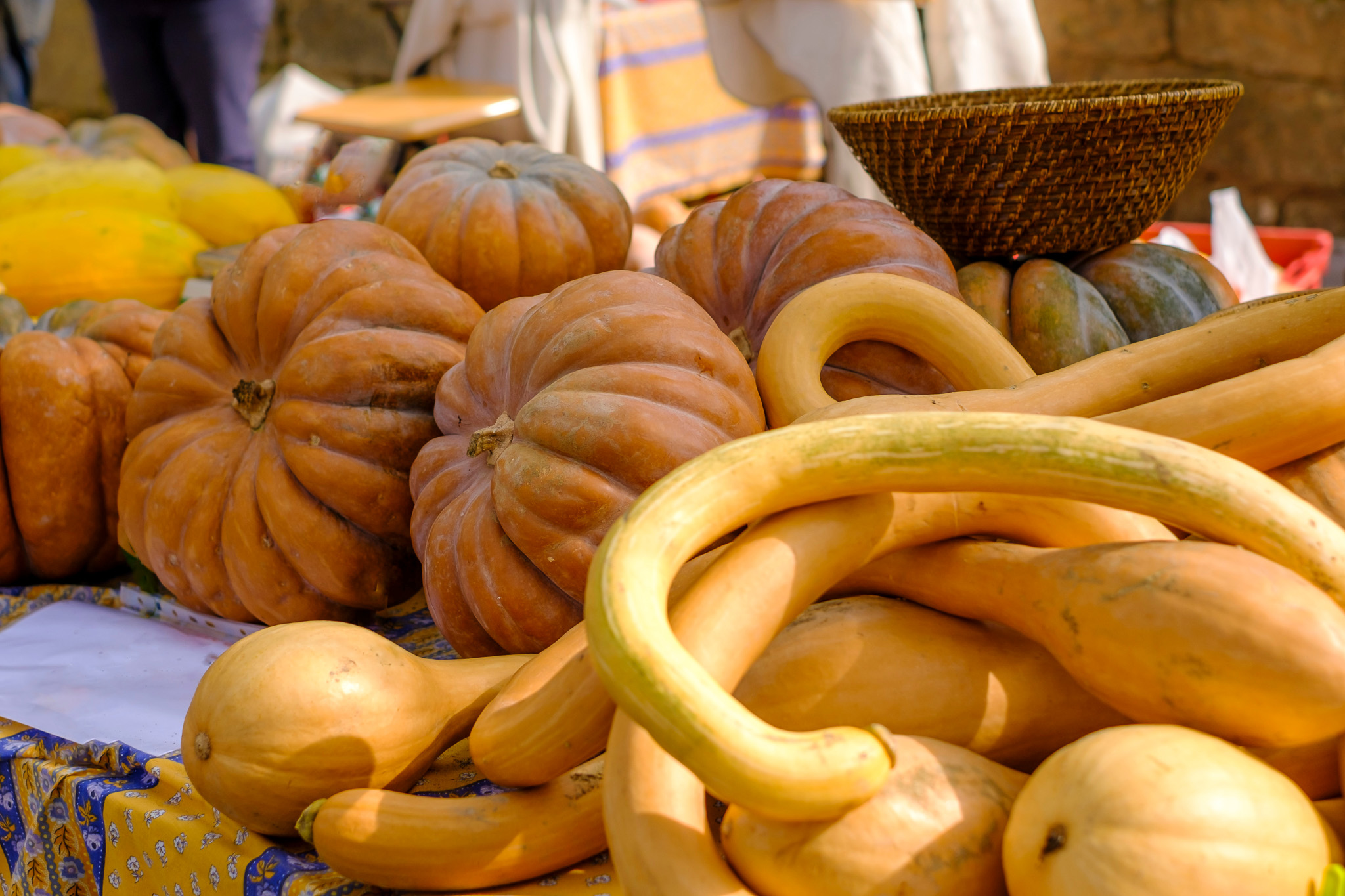
Rognes isn’t the only town in Provence to host a pumpkin festival, but theirs is arguably the most popular. And as a former resident of the village, it’s the one that’s close to my heart. Held every year in late October or early November, the Fête de la Courge has been running for over 20 years, and draws in crowds from around the region to celebrate the versatile vegetable.
Many varieties of pumpkin – including some downright bizarre-looking examples – are on display, and tastings are encouraged. But my favourite part of this event is the Pumpkin Hike – a 15km (approx) walk through the surrounding countryside, awash with autumnal hues, and complete with refreshment breaks to sample local products and pumpkin soup!
Some of my other favourite festivals in Rognes include the Truffle Festival in December and the Festival aux Carrières, where you can attend theatre and music concerts in the abandoned quarries.
Fête du Piment d’Espelette
Espelette, Pyrénées-Atlantiques – October
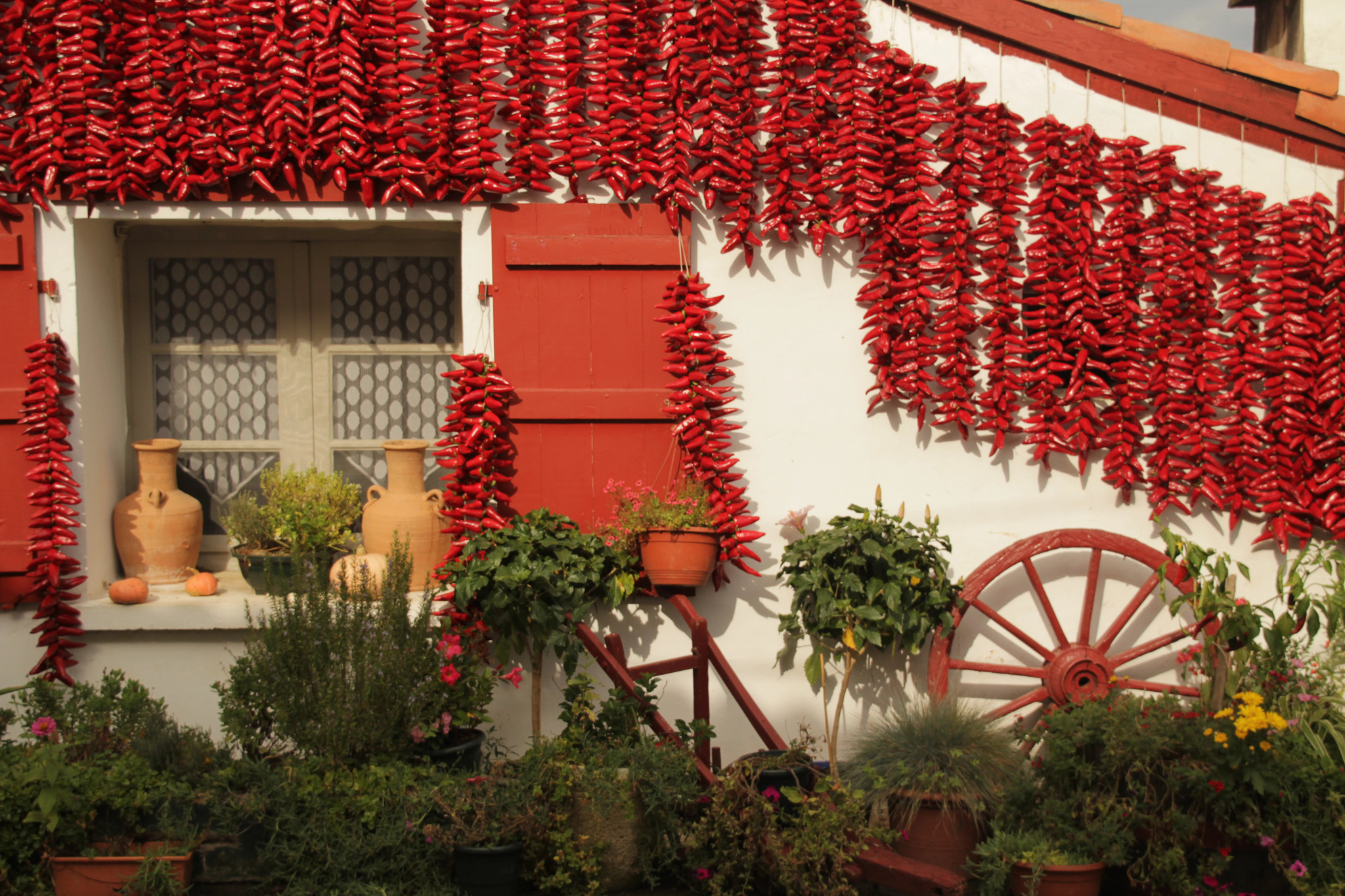
I’d been using Piment d’Espelette in my cooking for years since moving to France, but it wasn’t until much later that I learned of the pepper’s heritage. Originating in the village of Espelette, in the Basque Country, they’re grown under a Protected Designation of Origin (AOP), meaning the production is tightly regulated.
Harvested in October, the Fête du Piment d’Espelette is timed to coincide with the end of the harvest, and the entire village comes out to celebrate (along with thousands of visitors). Taking place over the span of a weekend, you’ll be able to witness Basque dancing, parades, and a blessing of the peppers. Of course, there will also be plenty of opportunities to try the mild chilli in traditional dishes too!
Fête des Violette
Tourettes-sur-Loup, Alpes-Maritimes – March
The medieval village of Tourettes-sur-Loup is famed for its violets, and most specifically, a single variety of violet named Victoria that’s valued for its perfume. To celebrate the growers and welcome in Spring each year, the town throws a festival of the most colourful variety.
Flower art adorns the cobbled lanes, a small parade delights the younger residents with frivolous floats, and the festival concludes with a Battle of the Flowers where petals are thrown among the crowd. Don’t come expecting Nice or Menton carnival vibes – this is a slower, more relaxed, authentic taste of South of France heritage.
Marché Flottant
L’isle-sur-la-Sorgue, Vaucluse – August
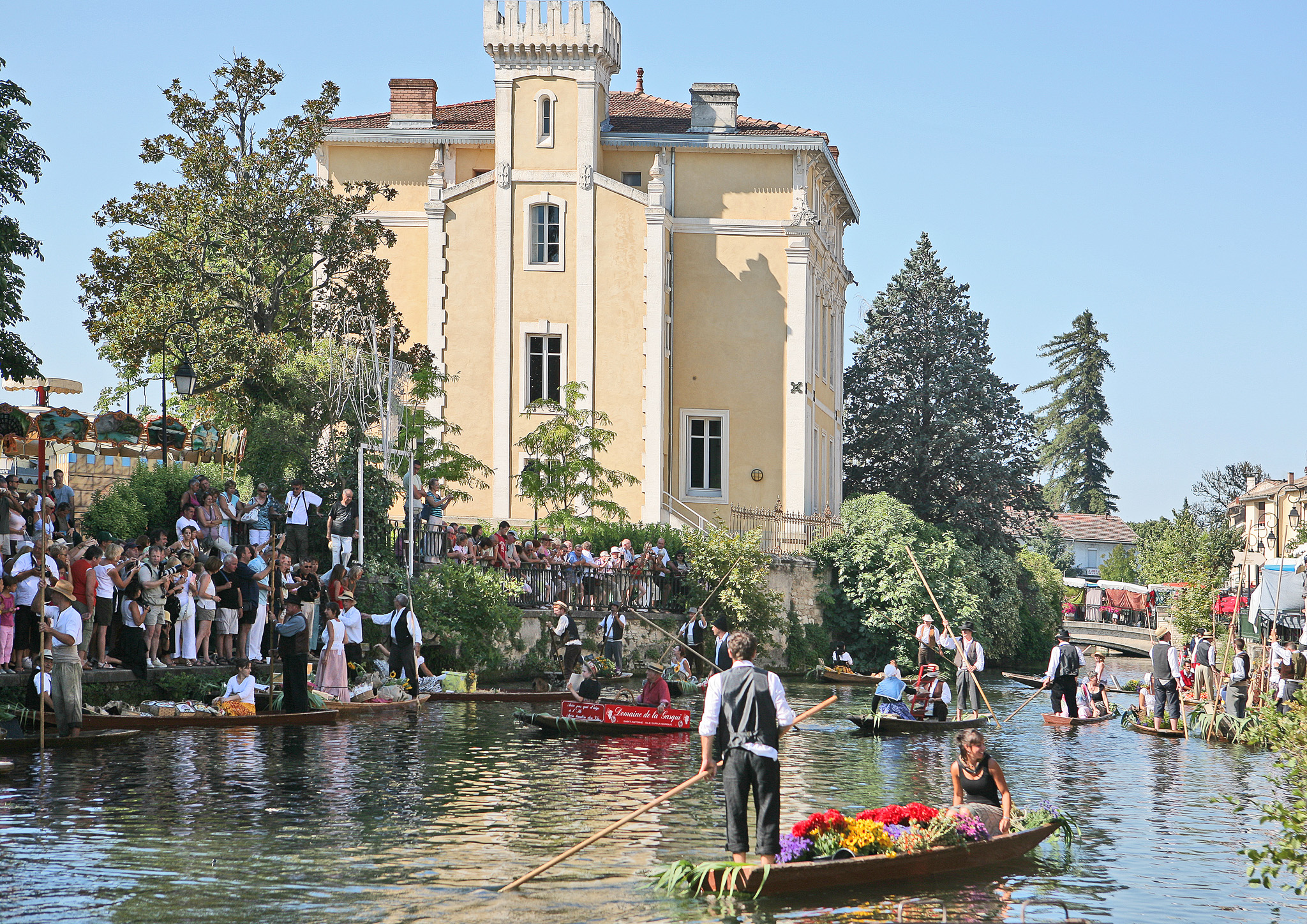
My favourite market town in Provence does things a little differently on the first Sunday of August – when stalls move from the river banks to river boats! Taking place at the same time as the famous Sunday market and brocante, it’s an extremely busy affair, but a uniquely Provençal experience not to miss!
Market vendors in traditional dress take to their “négo chins” – flat-bottomed boats – to sell their wares to the public lining the riverbank. The spectacle lasts only around four hours (from 9 am), culminating in the boatmen singing Coupo Santo to celebrate Provence.
If you plan to attend this very popular market, make sure you arrive in L’isle-sur-la-Sorgue very early and grab a coffee at a nearby cafe as you wait.
Fête de la Saint-Louis
Sète, Hérault – Summer
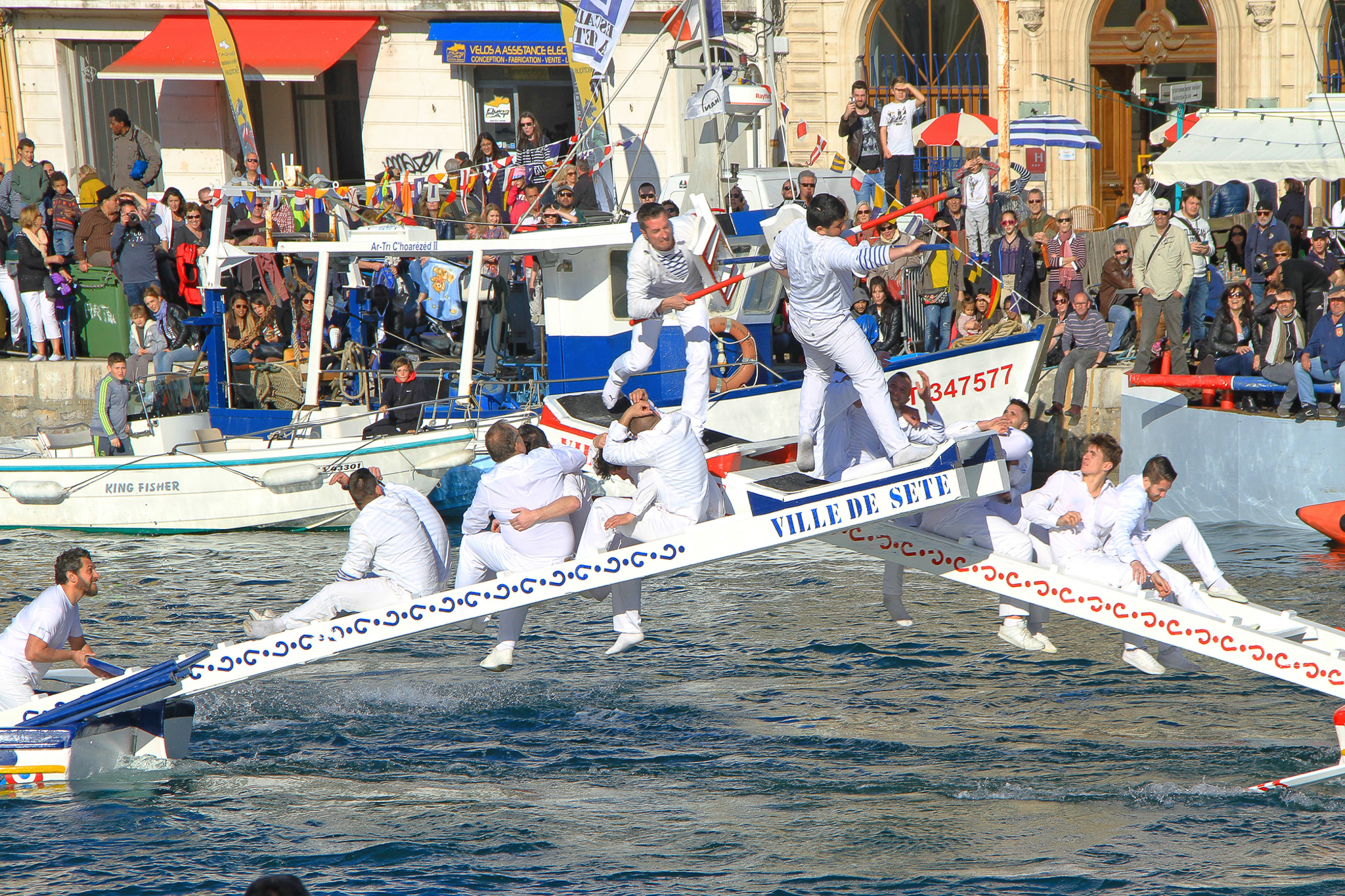
Imagine medieval jousting, but on boats, and you’ve got one of the most unusual sports festivals in the Mediterranean. During the St Louis Festival in Sète, a festival celebrating the town’s maritime history, competitors stand on platforms at the back of boats, armed with lances, trying to knock each other into the water. It’s fierce, it’s wet, and it’s been a passionate fixture of Languedoc culture for centuries.
The atmosphere during the week-long event is electric, and kids absolutely love the spectacle. Aside from the jousting events, you can watch parades, fireworks, shows and bands around the port area.
Fête des Pois Chiches
Rougiers, Var – September
Leave it to the French to throw an entire festival dedicated to the chickpea! The Confrérie du Pois Chiche de Rougiers (the Brotherhood of the Chickpea of Rougiers) takes this humble legume seriously, and the town is famed for producing chickpeas that are full of flavour – thanks to the area’s light, volcanic soil.
The small festival is a charming ode to the chickpea, with a parade, market stalls, games, and a chickpea blowing competition. It’s a fun, uniquely Provençal way to celebrate the local produce and producers.
Fête du Citron
Menton, Alpes-Maritimes – February
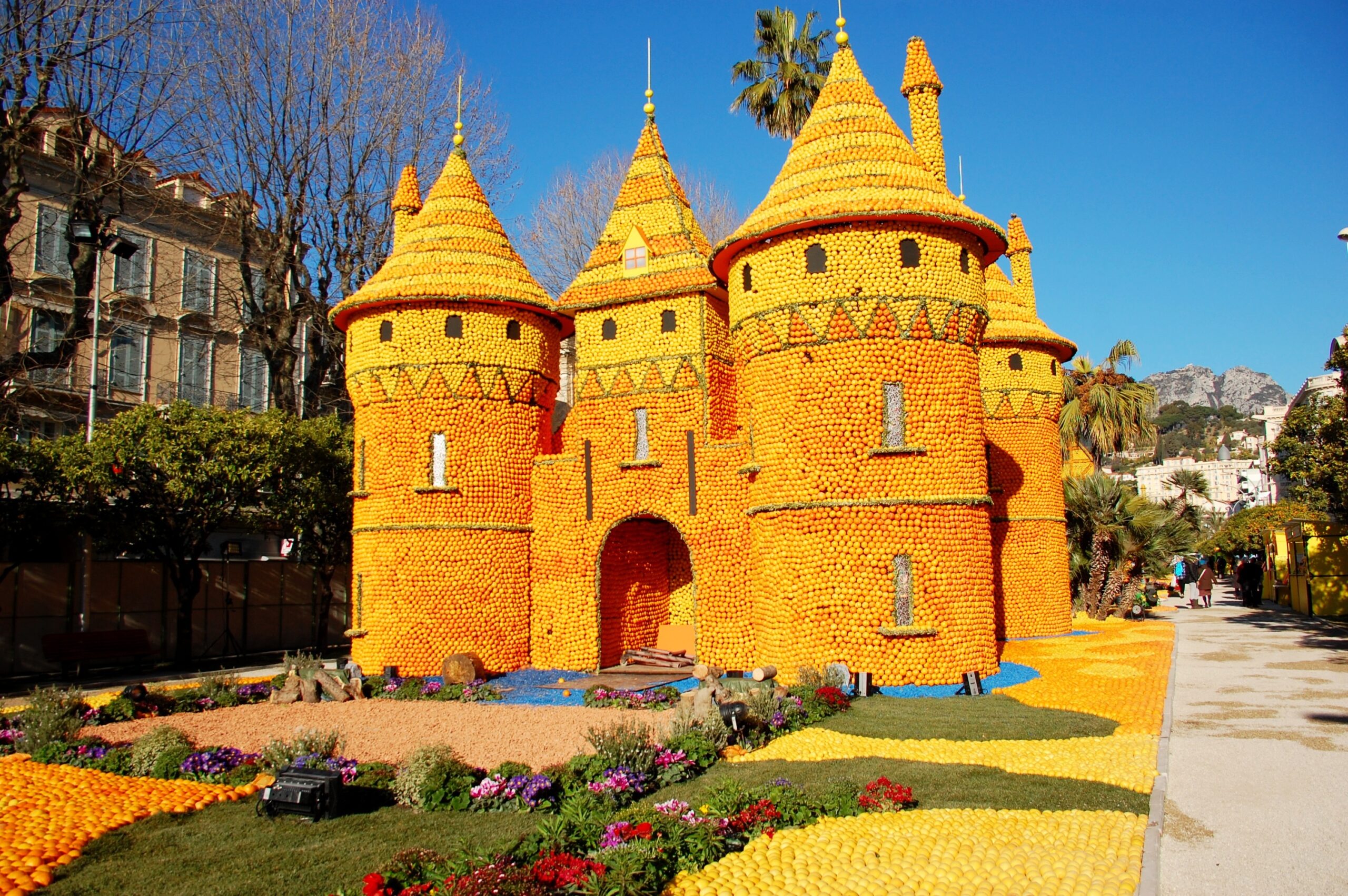
Menton’s Lemon Festival has been running for almost 100 years – turning the town into an open-air exhibition space for towering citrus sculptures, elaborate floats, marching bands, and evening illuminations. It’s half carnival, half horticultural feat, and a bit bonkers. Tons of citrus fruit are sculpted into monumental designs that take over the Jardins Biovès and the parade route, with each edition built around a fresh theme and an almost absurd level of detail.
Spanning two weeks, there’s plenty of time to witness the spectacle, but don’t leave your booking too late, as this is one of France’s most famous festivals. If you can, time your visit to include one of the night parades, when the floats feel less like a daytime procession and more like a full Riviera production under lights.
Read More: Best Things to do in Menton, France
Flâneries au Miroir
Martigues, Bouches-du-Rhône – September
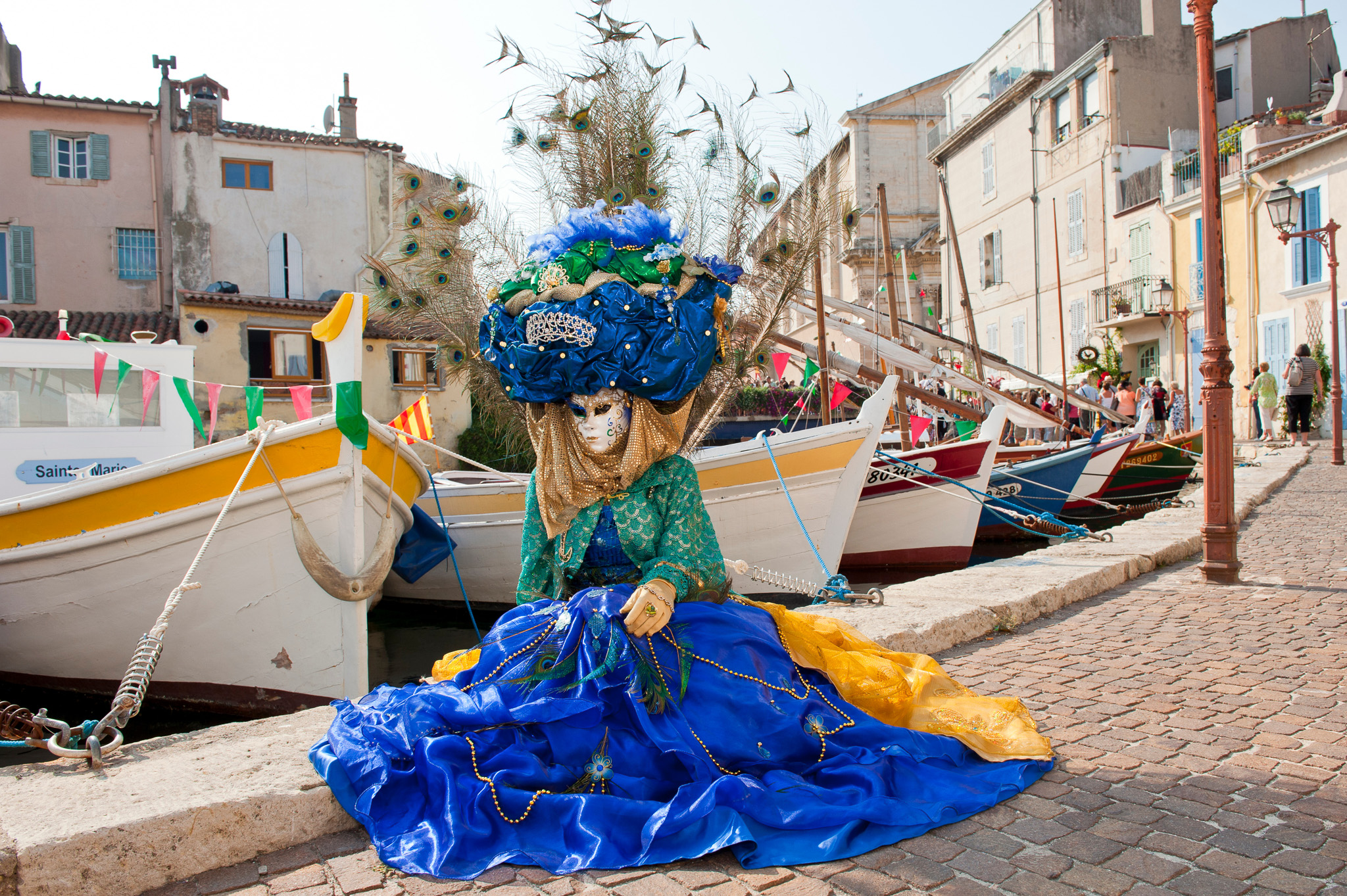
There are a few towns in France that liken themselves to Italy’s Venice. But the small town of Martigues, known as the “Venice of Provence”, takes this association a step further… Every September, crowds of masked and costumed visitors converge on the town to recreate the spirit of the Venetian Carnival.
Musicians and elegantly dressed guests pose around the canal in elaborate 18th-century costumes, creating a surreal and magical atmosphere. It’s a photographer’s dream and a chance to step back in time (and place) to an era of elegance and mystery.
Fêtes de la Châtaigne
Collobrìeres, Var – October
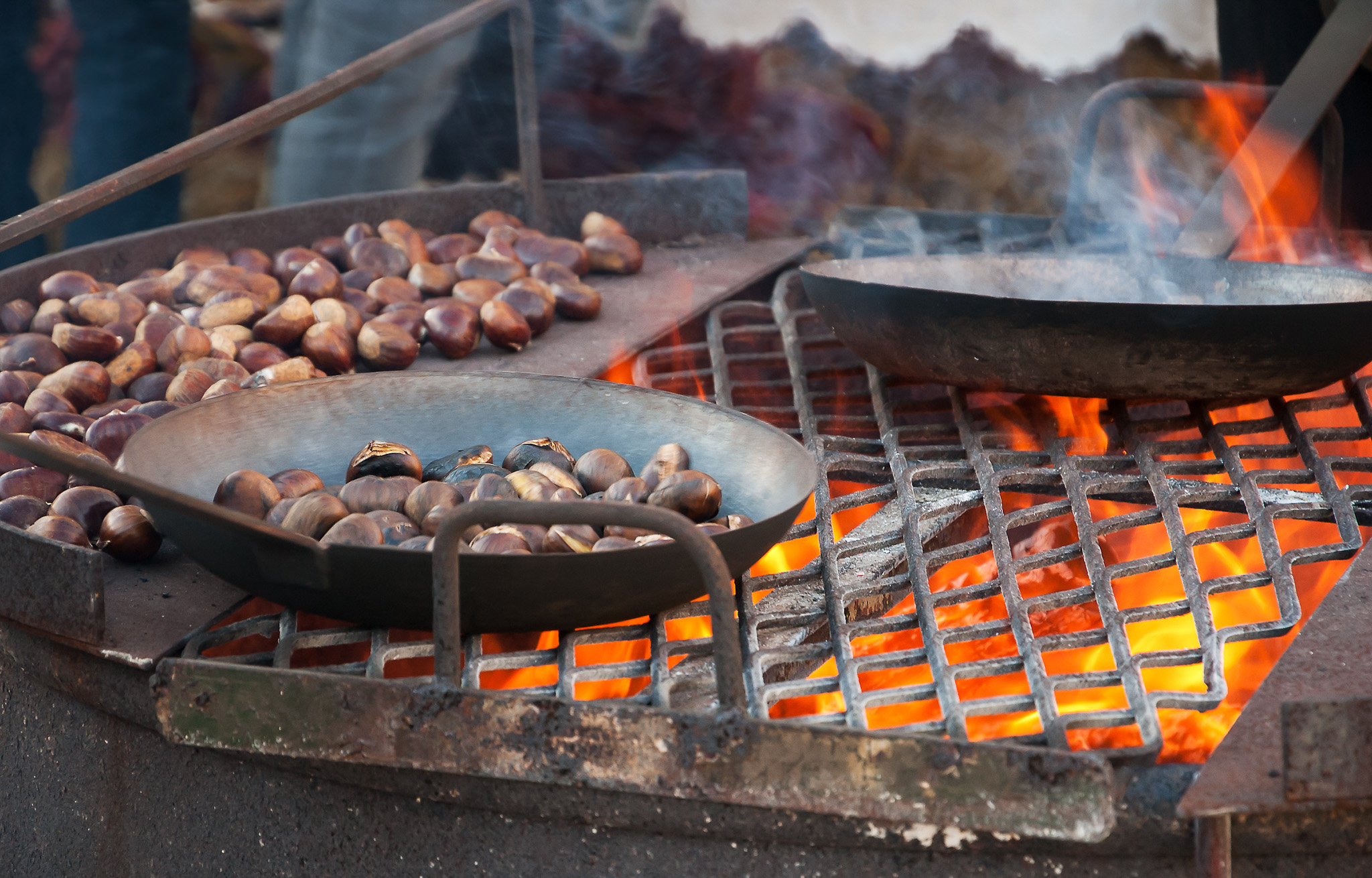
Surrounded by almost 5000 acres of chestnut forests, Collobrìeres, a quaint hillside village in the Var, is the self-proclaimed chestnut capital. The chestnut festival takes place across the last three Sundays of October to coincide with the harvest and to celebrate this small, sweet, versatile nut.
More market than full-blown festival, you’ll find stalls selling chestnut beer, roasted chestnuts, chestnut flour, and demonstrations of traditional crafts. The autumn colours in the surrounding forest make this festival particularly photogenic, and the village itself is utterly charming.
Le Poulain Festival
Pézenas, Hérault – Feb/March
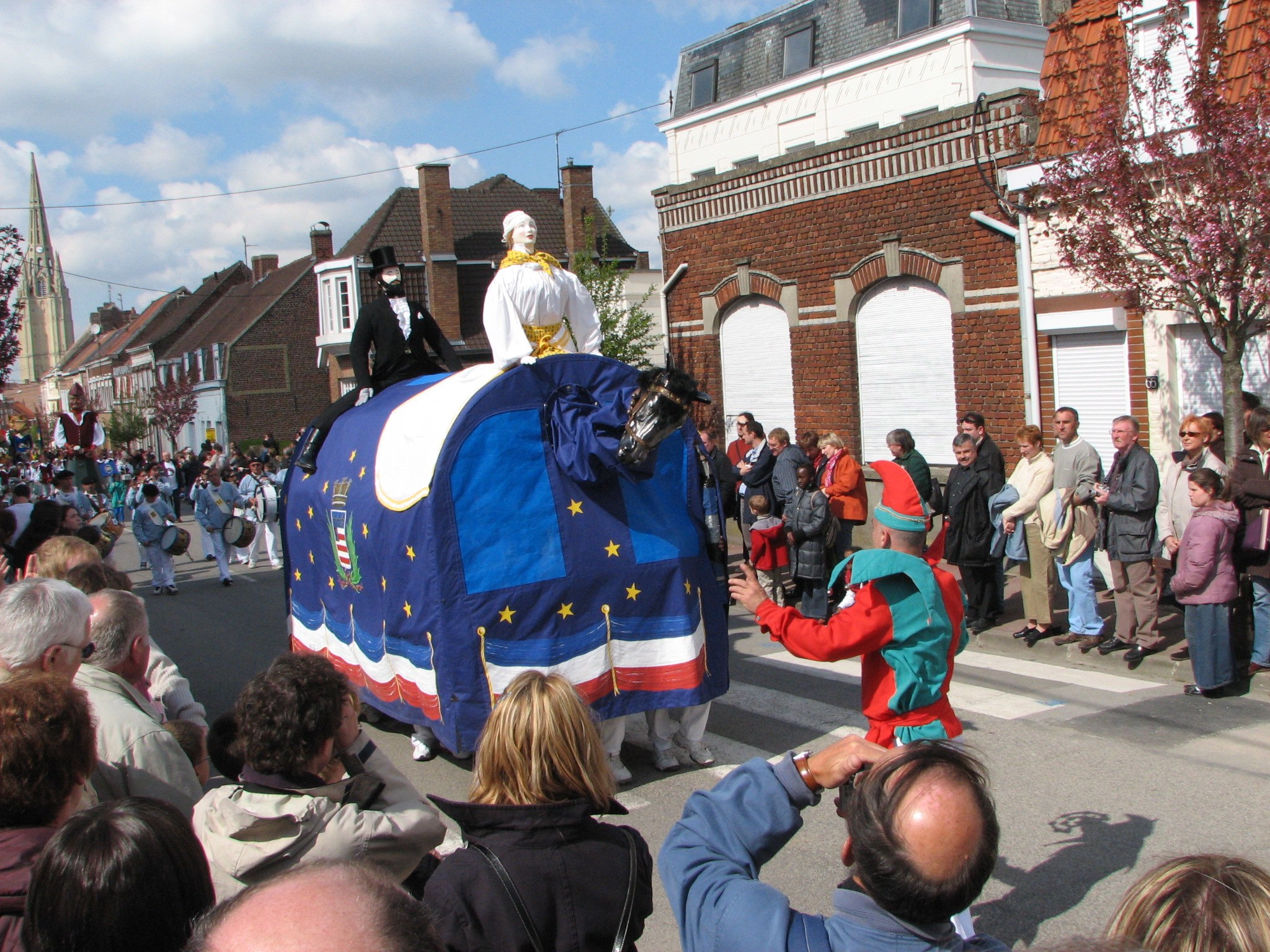
One of the most wonderfully bizarre festivals in France is Le Poulain Festival in Pézenas in the Languedoc. The star of the show is a giant mock horse constructed from a cloth head draped over a wooden frame – that is carried through the streets by eight strong locals (usually the local rugby team).
The tradition dates back to 1226 when King Louis VIII left his favourite mare in Pézenas during the Crusades against the Cathars. When he returned to find both the mare and a newborn foal thriving, he gifted the town a wooden horse to commemorate the event.
Now, accompanied by fifes, drums, and plenty of beer and pastis, Le Poulian dances through the medieval streets in a five-day festival that has gained UNESCO recognition as a masterpiece of intangible heritage.
Attending Festivals in the South of France is a great way to gain a deeper understanding of the culture. These celebrations showcase the locals’ love of honouring local produce and traditions in a wonderfully eccentric way, and they’re worth working into your itinerary. Whether you’re sampling chickpea wine or watching jousters tumble into the water, you’re guaranteed an authentic experience that you’re unlikely to find in any guidebook.